

Reframing Direct Air Capture
.
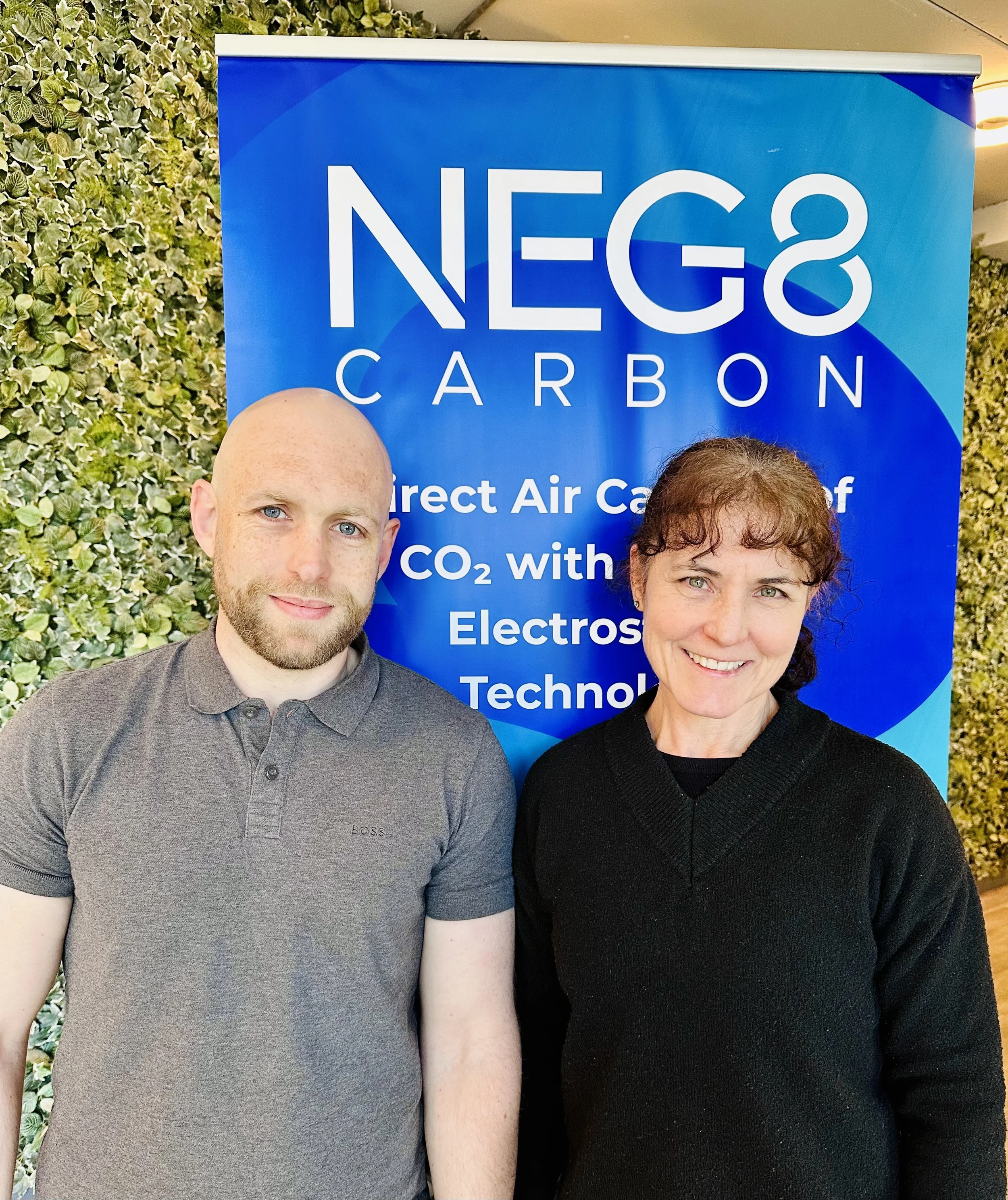
Dr David Mulrooney and Jeannie De Vynck
NEG8 Carbon
The conversation around climate action has long centred on reducing what we emit. Burn less, fly less, build differently. These are necessary steps, but they are not enough. Atmospheric CO₂ now sits at about 430 parts per million (ppm), which is well above the 350 ppm threshold considered safe, and far beyond the 280 ppm of the pre-industrial world.
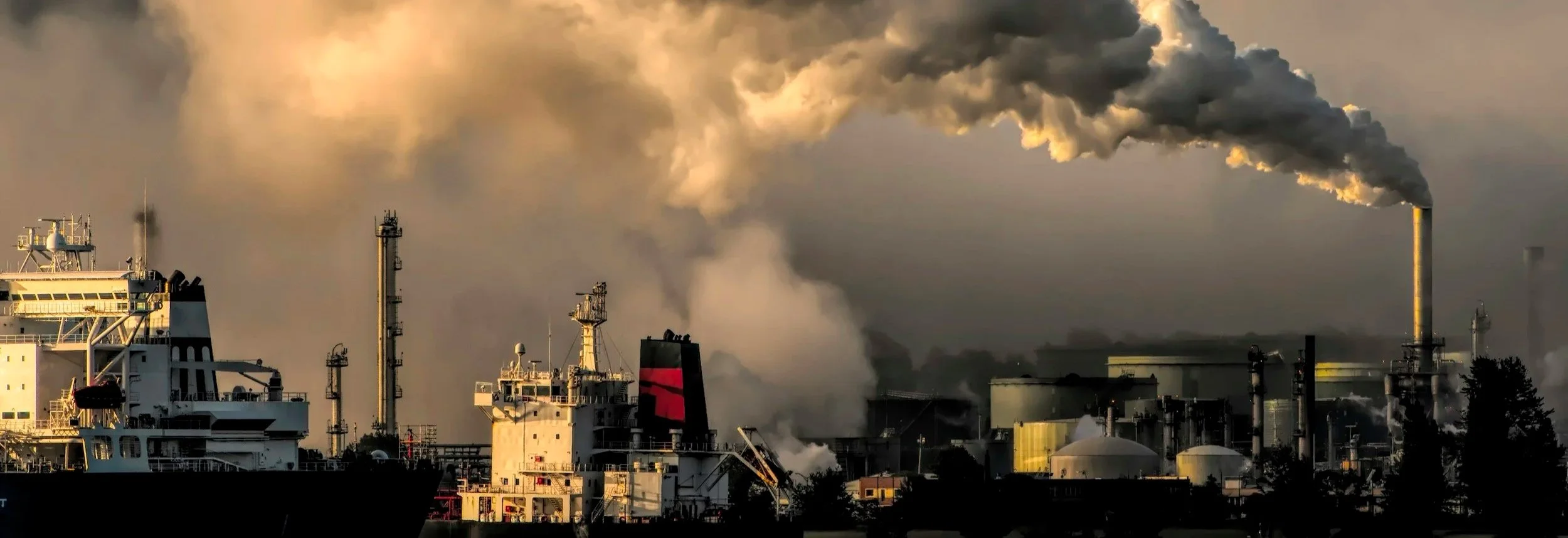

What’s more, global warming has already exceeded 1.5°C above pre-industrial levels, the critical limit identified in the Paris Agreement of 2015. The uncomfortable truth is that cutting emissions, regardless of how diligently we do this, will not bring those numbers down on its own. We also need to actively remove carbon dioxide from the atmosphere.
That is where the conversation around carbon capture technologies like Direct Air Capture (DAC) needs to mature.
What Direct Air Capture Does
Direct Air Capture (DAC) is a technology that removes CO₂ directly from ambient air. Air is drawn over chemical sorbents that selectively bind carbon dioxide. The CO₂ is then released in concentrated form, either for industrial use or permanent storage.
The captured carbon can be permanently stored through injection into depleted oil and gas reservoirs or through mineralisation in certain rock formations, locking it away for millennia.
Alternatively, it can be put to work as a sustainable feedstock in chemicals production, used to manufacture eFuels such as sustainable aviation fuel (eSAF) or eMethanol for shipping, mineralised into cement and concrete, and multiple other applications.
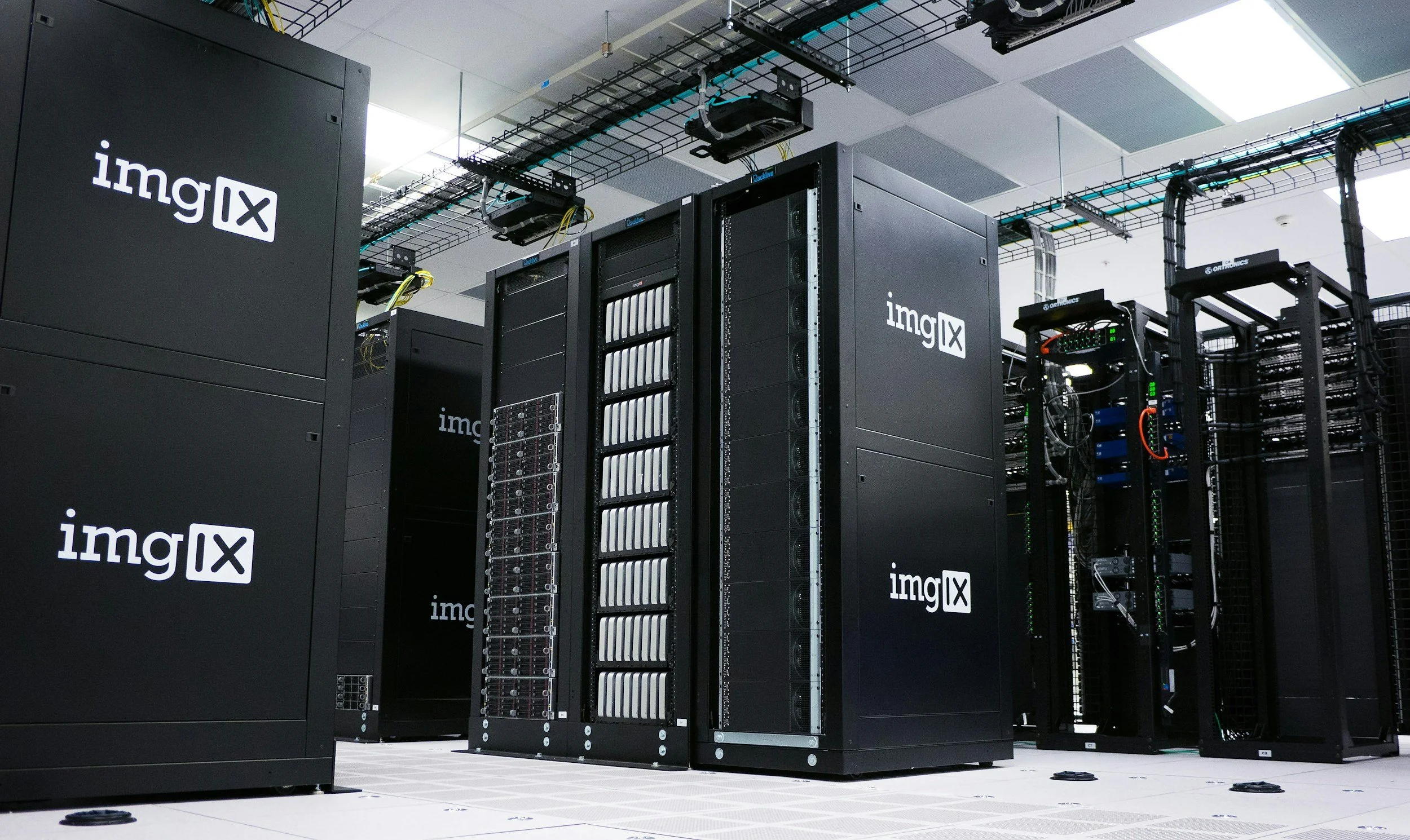
For data centres, a sector under hot scrutiny for its high energy use and enormous carbon footprint, DAC can serve a dual purpose, providing both carbon capture and process cooling, while being largely powered by the waste heat generated by the data centre itself.
Each of these pathways represents not just a climate benefit but a potential commercial one too. Captured CO₂ can generate revenue through utilisation in downstream processes or through the sale of carbon credits. The business case, traditionally dismissed as theoretical, is becoming now becoming a reality.
DAC is an engineered, controllable and scalable climate intervention that needs to be deployed at a mass scale to effectively tackle residual CO2 emissions in our atmosphere and to help bring industries down to net-zero.
Addressing the Challenges of DAC
The two objections raised most often against DAC are that it is too energy-intensive and too expensive. Both deserve honest engagement, and both are being addressed by rapid advances in the underlying technology.
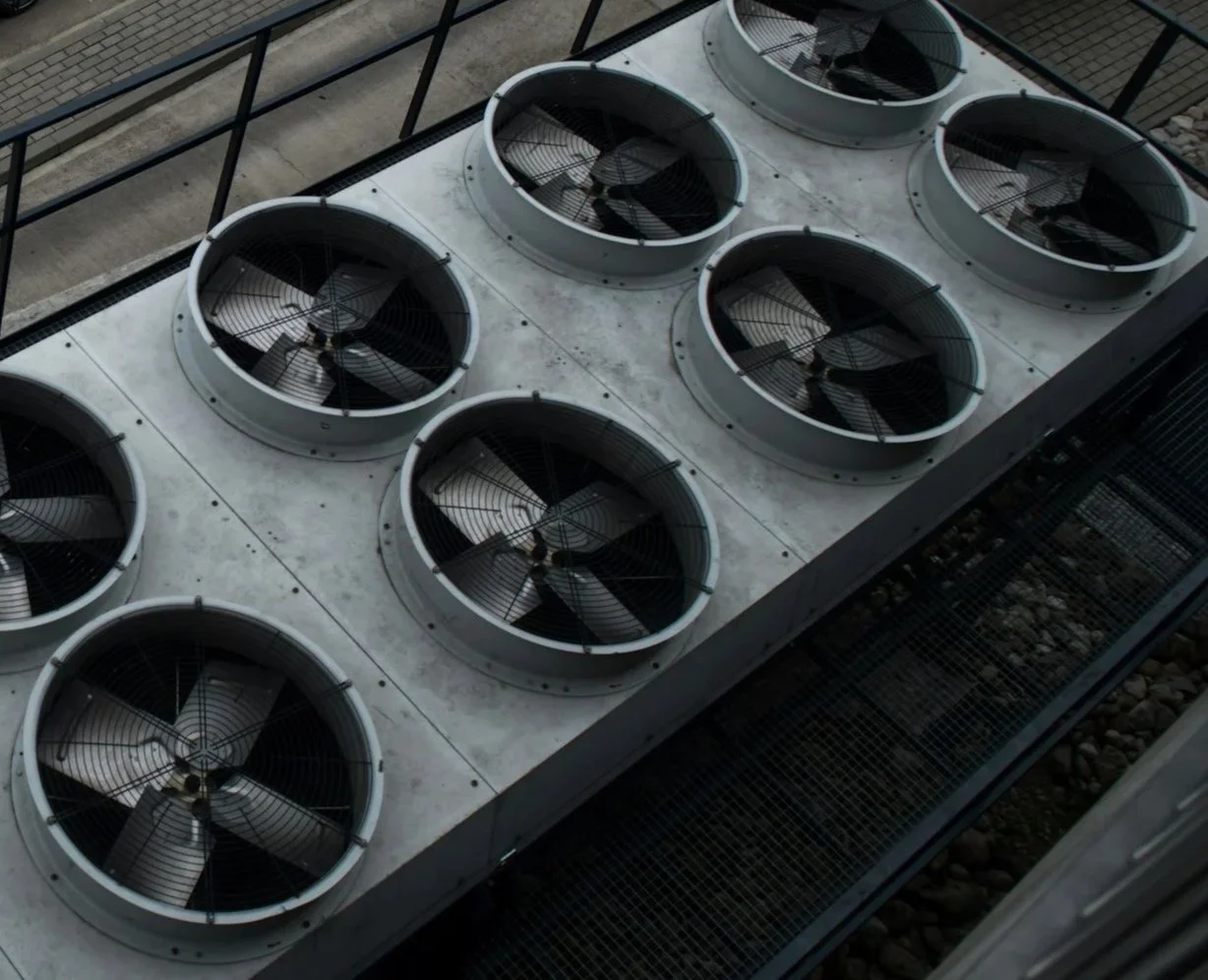
ENERGY: In early-generation DAC systems, the high energy use criticism is legitimate, but it does not fully reflect where the technology stands today. More recent DAC developments have seen substantial progress in sorbent chemistry, with next-generation materials requiring less energy to bind and release CO₂. Additionally, advances in heat exchanger design have improved thermal efficiency considerably, and reductions in regeneration time (the cycle during which captured CO₂ is released and the sorbent is reset) are bringing down both energy demand and operational costs.
A critical point is that DAC systems can run on low-grade waste heat from adjacent industrial processes. This integration changes the energy calculations entirely. Rather than drawing from the grid, a co-located DAC unit can recover thermal energy that would otherwise be lost, turning an operational cost into an efficiency gain in a kind of industrial symbiosis.
COST: On the cost question, the trajectory is clear even if the destination is not yet reached. As with solar, battery storage, and other clean technologies, unit costs fall as manufacturing scales, engineering matures, and deployment experience accumulates. Irish technology company, NEG8 Carbon, is among those driving this progress, developing DAC solutions that are engineered for commercial viability from the ground up, not as lab demonstrations but as deployable systems designed to function within real industrial and economic constraints.
Decarbonisation Urgency in Ireland
Ireland must decarbonise its industry and transport sectors while meeting binding EU emissions reduction targets that are backed by potential penalties of up to €26 billion if compliance is not achieved. However, many of the sectors responsible are difficult to decarbonise through electrification alone.
Cement and concrete production, steel manufacturing, aviation, shipping and data centres all fall into what is termed the "hard-to-abate" category. For these sectors, switching to renewable electricity may address part of the problem but not all of it.
Process emissions, i.e. those arising from the chemistry of production itself, not just the energy powering it, require different solutions. DAC, particularly when integrated into existing industrial infrastructure, offers a credible path where other approaches fall short. In these situations, at the same location, DAC can both decarbonise and provide a CO2 feedstock where needed.
Integration in a System, Not a Panacea
It is worth being open about what DAC is not. It is not a licence to continue emitting. It is not a reason to slow the transition to clean energy. And it will not, on its own, reverse the trajectory of atmospheric CO₂. In truth, no single technology will.
What DAC can do is function as a critical component of an integrated approach that combines aggressive emissions reduction with active carbon removal, and that treats captured CO₂ as a resource rather than a problem.
The most effective projects will be those that treat DAC as one layer of a broader solution when it is located with industrial heat sources, connected to downstream utilisation or storage, and designed with the commercial model built in from the start. The move from concept to deployment requires this kind of systems thinking.
Rethinking What Climate Action Looks Like
The next phase of climate action requires a serious commitment to what we start doing rather than what we stop doing.
Direct Air Capture technology has passed the point where it can casually be dismissed as impractical or prohibitively expensive. Sorbent development is advancing, thermal efficiency is improving, waste heat integration is being deployed, and the business case is taking shape. The question is no longer whether DAC works. It is whether the industries, investors and policymakers that need to act are prepared to move at the pace the problem demands. And fundamentally, whether governments are willing to incentivise first of a kind decarbonisation project development through funding and direct investment support for deep tech for decarbonisation.

“ The shift in thinking from idealism to a practical commercial reality is an important reframing of the climate strategy.”
Dr David Mulrooney and Jeannie De Vynck
NEG8 Carbon
NEG8 Carbon develops novel electrostatic Direct Air Capture (DAC) technology for capturing CO₂ from the atmosphere to help industries achieve net-zero and to combat climate change. The company was founded as a spin out from carbon capture research conducted at Trinity College Dublin and University College Dublin to develop cost effective, scalable DAC technology. In 2021, NEG8 Carbon built a demonstration DAC unit and is now scaling the technology to full size. NEG8 Carbon is currently involved in two major projects, a Sustainable Aviation Fuel (eSAF) project in the UK and a carbon capture and storage project with a global cement company in Ireland. Read More: neg8carbon.com