INSPIRING AND ENABLING MEMBERS TO
Reduce emissions, increase
efficiency, reduce costs
By addressing core areas including energy, transport, waste, supply chains, and operational behaviours, businesses can make meaningful progress in reducing their carbon footprint while also lowering costs and improving efficiency.
Through our member events, we provide practical skills workshops, field trips and green tech demos of solutions to address these core areas.
Energy management
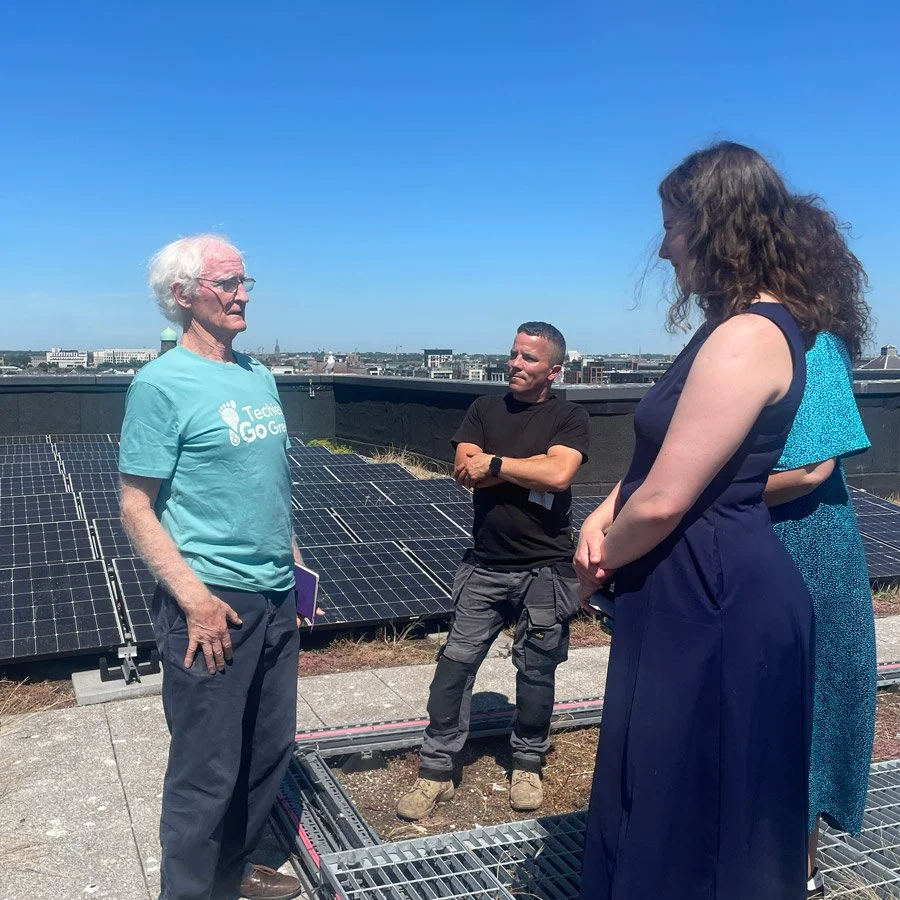
Energy use represents one of the most immediate opportunities for businesses to cut emissions and reduce costs. By optimising energy consumption through efficiency upgrades, renewable energy adoption, and smarter monitoring systems, companies can significantly lower their carbon footprint while benefiting from long‑term savings. Reducing reliance on high‑carbon energy sources not only strengthens environmental performance but also enhances resilience against rising energy prices and volatility.

Join our next tour
Watch out for upcoming webinars and workshops on best practice, plus site visits to energy facilities to learn about real-world solutions for business. VISIT EVENTS
Watch an extract from our recent energy webinar
Transport efficiency
Transport is a major contributor to business emissions, spanning employee travel, logistics, and fleet operations. Improving transport efficiency through vehicle electrification, employee commuting, route optimisation, modal shifts, or reduced travel requirements, can deliver substantial carbon reductions. At the same time, businesses gain operational benefits such as lower fuel costs, improved reliability, and streamlined mobility practices, all of which strengthen long‑term competitiveness.
Watch out for upcoming webinars and workshops on best practice, plus site visits to see sustainable transport solutions in use. VISIT EVENTS
Watch Future Of Transport webinar

Join our next webinar

Waste management and
circular-economy best practice
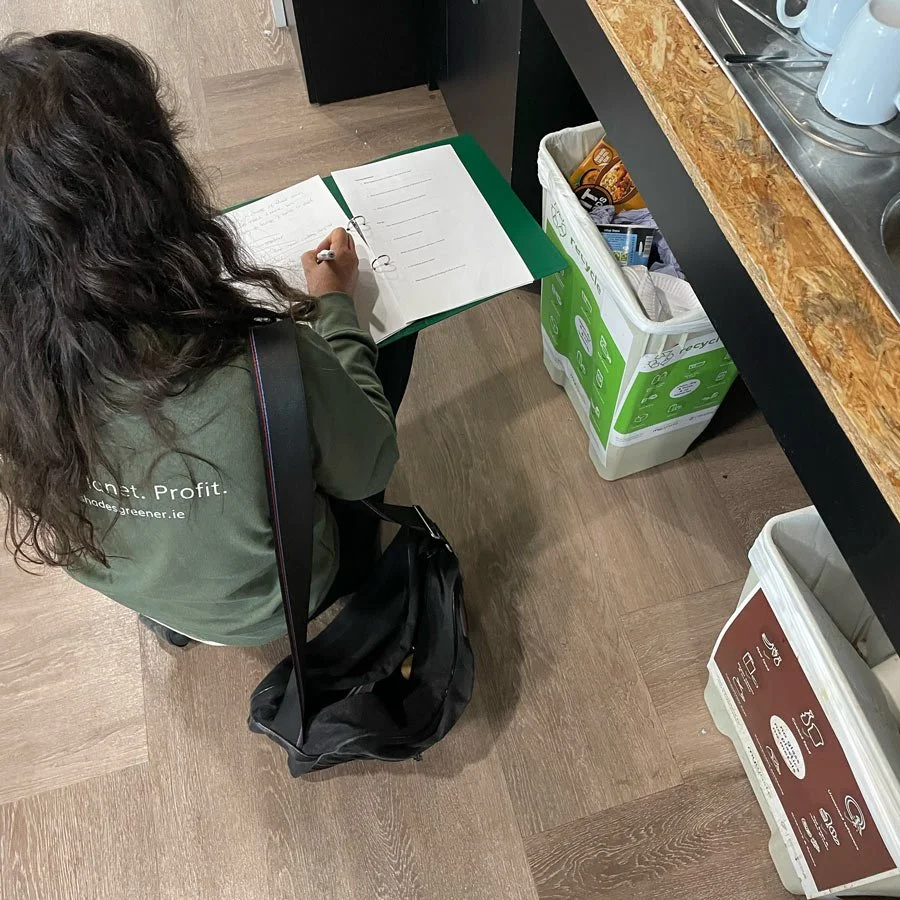
Proper waste management and circular‑economy practices enable businesses to extract more value from resources while minimising environmental impact. By reducing waste at source, increasing reuse, and adopting recycling or closed‑loop systems, organisations can significantly lower emissions associated with materials and disposal. These practices also cut costs tied to purchasing, waste handling, and landfill fees, while fostering innovation around resource‑efficient design and operations.
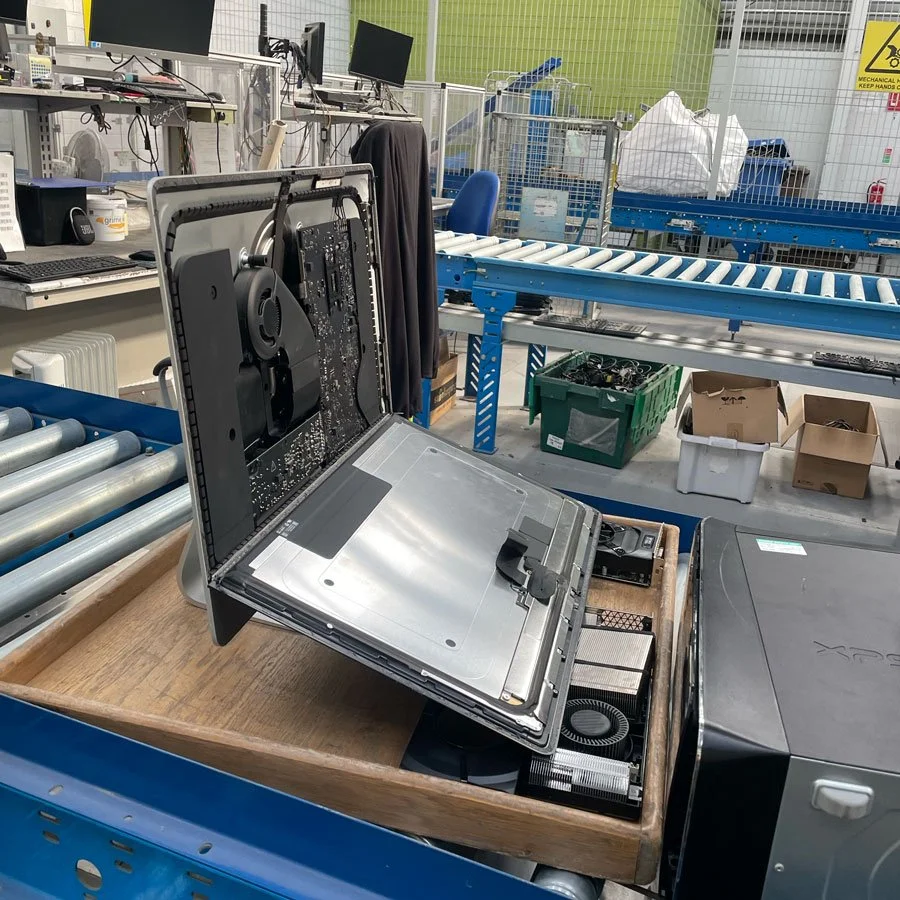
Watch out for upcoming webinars, workshops on best practice, and site visits to recycling, ITAD and food redistribution solutions. VISIT EVENTS
Watch an extract from our Tackling Food Waste webinar

Supply chain management
Supply chains often represent the largest share of a company’s overall emissions, making them a critical focus area for meaningful climate action. Engaging suppliers, improving transparency, and selecting low‑carbon materials and partners can dramatically reduce indirect (Scope 3) emissions. Strengthening sustainability across the supply chain not only improves environmental outcomes but can also reduce risks, enhance reliability, and create efficiencies that lower long‑term costs.
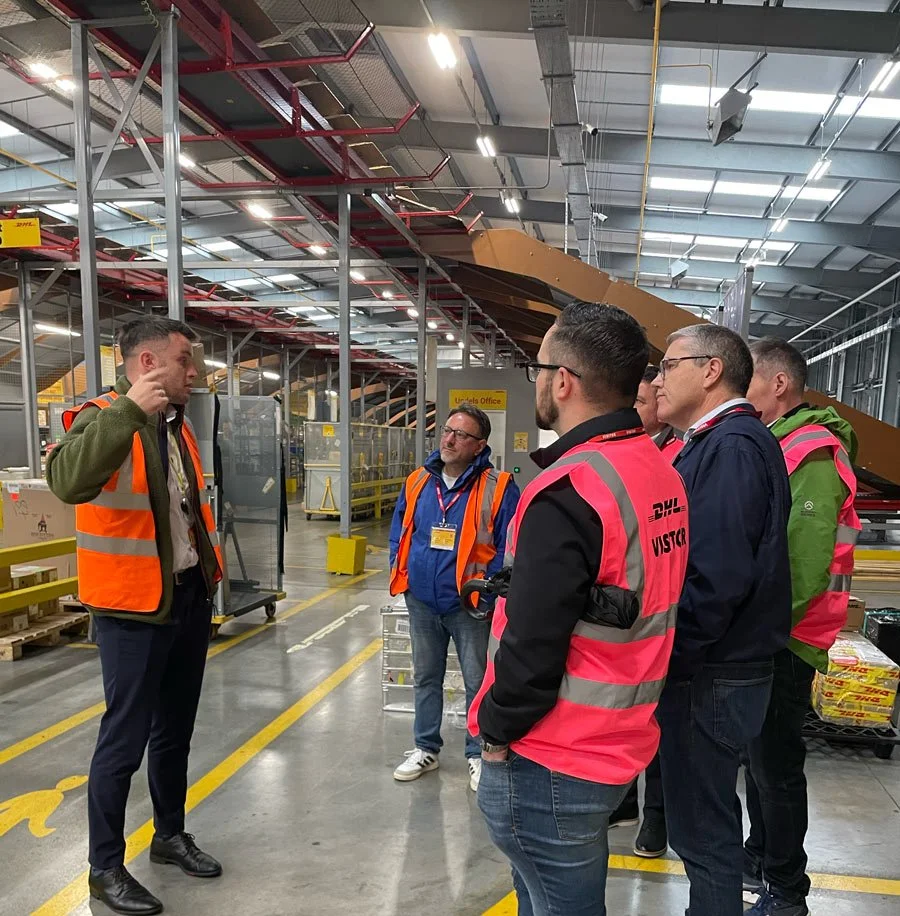
Watch out for upcoming webinars and workshops on best practice, plus site visits to providers of sustainable supply chain management solutions. VISIT EVENTS
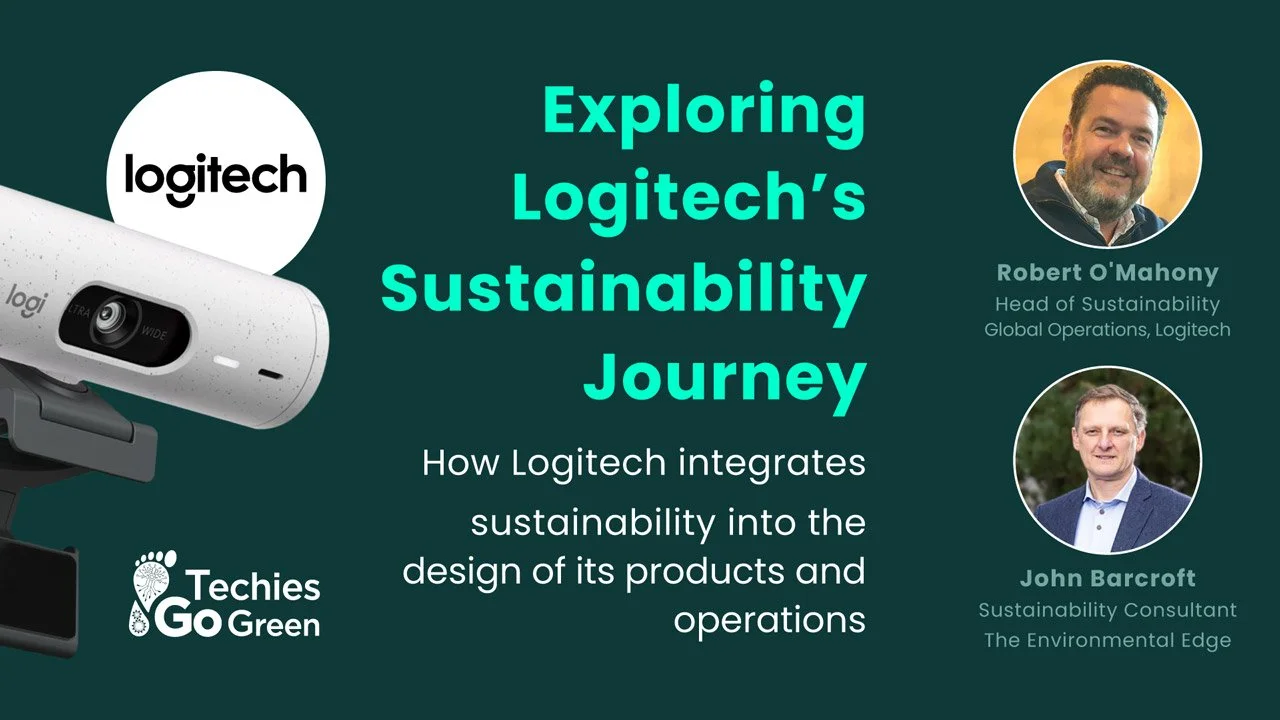
Watch our webinar Exploring Logitech’s Sustainability Journey
Sustainability leadership
Day‑to‑day behaviours and workplace practices have a powerful impact on a company’s carbon footprint. Encouraging energy‑conscious habits, reducing unnecessary consumption, adopting preventative maintenance practices, and embedding sustainability into routine decision‑making can collectively lead to significant efficiency gains. When employees are empowered to adopt sustainable practices, businesses benefit from lower operating costs, improved performance, and a stronger culture of environmental responsibility.
Watch out for upcoming webinars and workshops on best practice, plus site visits to see sustainability leadership in action. VISIT EVENTS
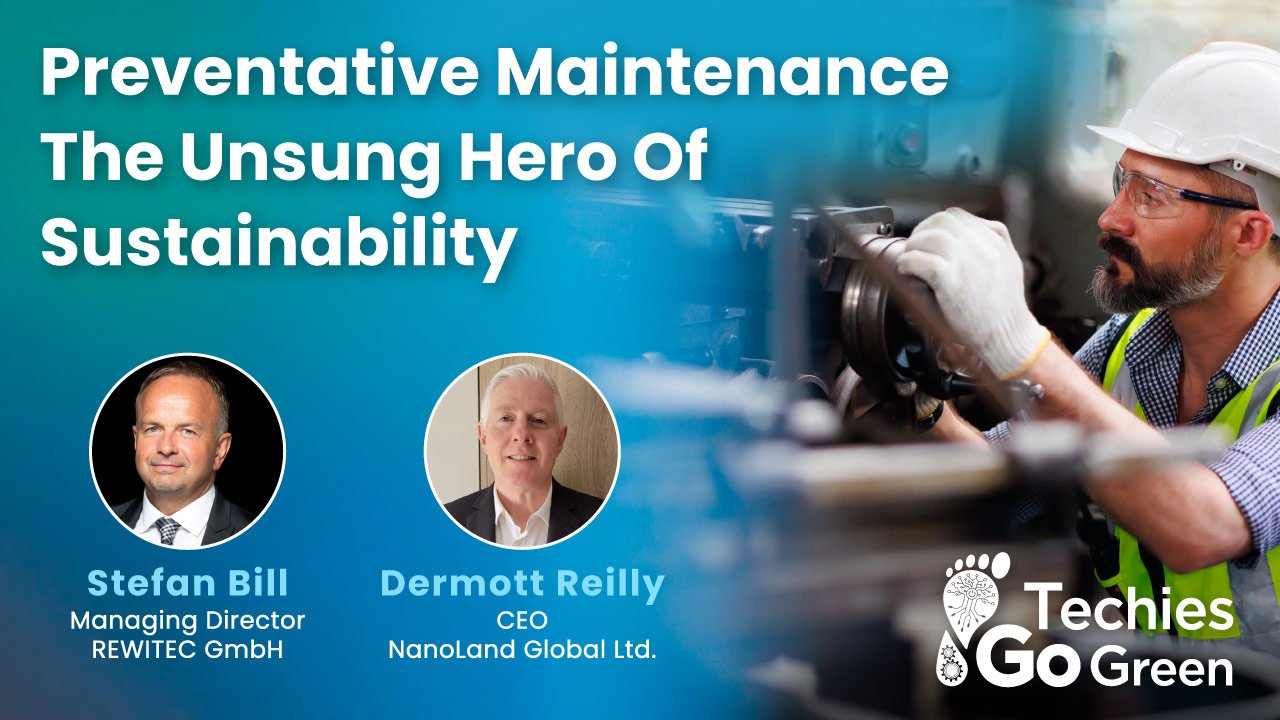
Watch our webinar on Preventative Maintenance