From Surplus Food to Green Energy: A Visit to Bia Energy
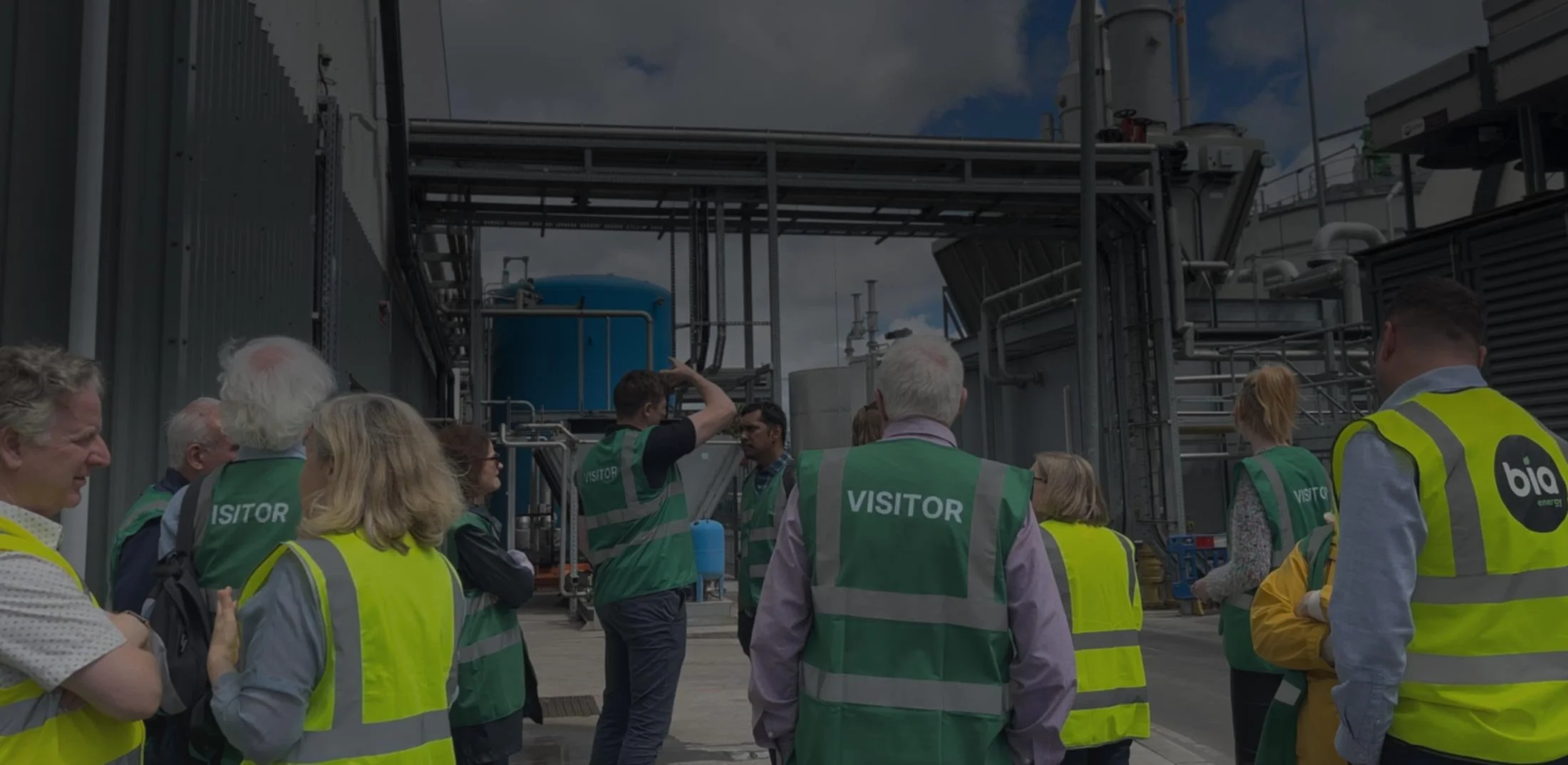
What happens to food that can no longer be sold or eaten? Techies Go Green members found out first-hand at Bia Energy's anaerobic digestion facility in Huntstown, Dublin.
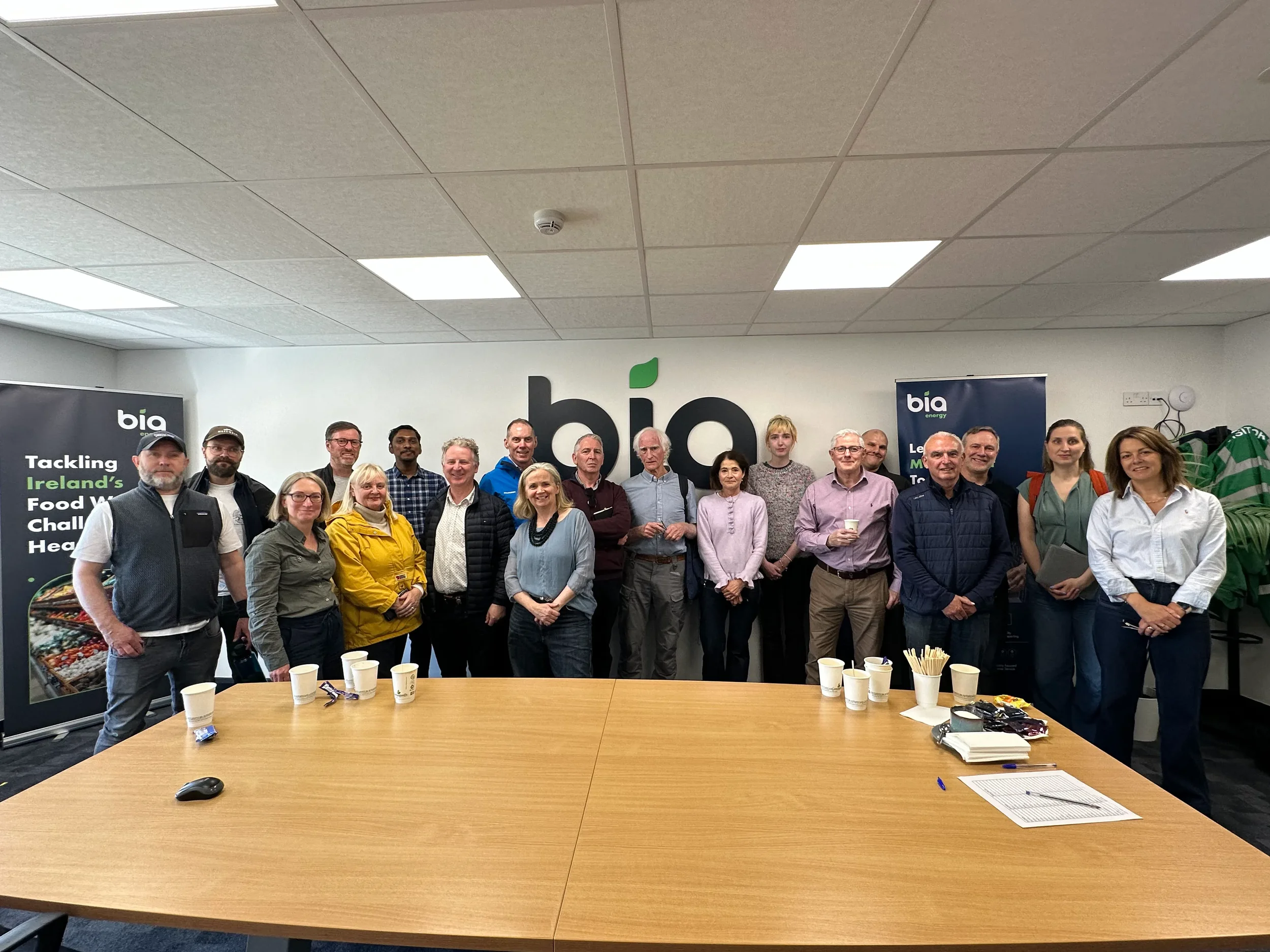
That was the question a group of Techies Go Green members set out to answer during a recent visit to Bia Energy's anaerobic digestion facility in Huntstown, Dublin. And while a few of us quickly discovered that the unmistakable aroma of food waste isn't for the faint-hearted, it was a small price to pay for an eye-opening look at the circular economy in action.
From the moment we arrived, the Bia Energy team welcomed us with an engaging introduction to their work and the vital role anaerobic digestion plays in Ireland's renewable energy future. We learned how unavoidable food waste and surplus food, much of it still in its original packaging, arrives at the facility every day. Before anything else happens, the packaging is separated from the organic material, ensuring the food waste can move through the digestion process safely and efficiently.
The Process in Action
Watching the process unfold was fascinating. What starts as boxes of surplus fruit, vegetables, bakery products, and other food waste is transformed into renewable biomethane and nutrient-rich biofertiliser. Rather than ending up in landfill, these materials are given a second life, producing renewable gas for homes and businesses while returning valuable nutrients to local farmland.
The Bigger Picture
One of the biggest takeaways from the visit was the sheer scale of food waste generated every day. Seeing it in person makes you realise how much perfectly usable material is discarded for reasons ranging from damaged packaging to supply chain issues and strict food safety requirements. It's a powerful reminder that while reducing food waste should always be the priority, innovative solutions like anaerobic digestion have an important role to play when waste is unavoidable.
"I'm impressed and depressed. Impressed by the facility and what they're doing here — but depressed about how they're struggling in Irish conditions. This kind of investment should be everywhere in Ireland."
— Adrian Kielich, Techies Go Green member
How Bia Energy contributes to Ireland's climate goals
Reducing emissions by diverting food waste from landfill
Supporting local agriculture through nutrient-rich biofertiliser
Strengthening Ireland's renewable energy infrastructure
The visit also highlighted how renewable energy projects like Bia Energy contribute to Ireland's climate goals by reducing emissions, supporting local agriculture through biofertiliser, and strengthening the country's renewable energy infrastructure. It's a practical example of the circular economy working exactly as intended — where yesterday's food waste becomes tomorrow's renewable energy.
"I got a lot of hope out of something like this — to see that this can be an operation that can work and can power homes and make a difference. The concept of how it works in other countries like Denmark is a great case in point, where a number of farmers come together in a cooperative, community environment with a similar setup among their farming land. That's phenomenal. I just don't think we have that in Ireland yet, which is unfortunate."
– Techies Go Green member
Hear directly from our members as they share their thoughts and experiences from the site visit →
Thank You
A huge thank you to the entire Bia Energy team for sharing their expertise, answering our many questions, and giving us a behind-the-scenes look at a facility that's making a real difference. We'd also like to thank all our Techies Go Green members who joined us for another fantastic site visit.
Interested in learning more about Bia Energy's innovative approach to renewable energy and sustainable waste management? Visit Bia Energy's website to explore their work and see how they're helping shape a cleaner, more sustainable future.