

Is it time to rethink net-zero? Part 1: Beyond the noise of culture wars!
Mike Townsend
CEO at Earthshine Group
www.earthshine-group.com
@earthshine-group.bsky.social
Watch our interview with Mike Townsend about Part 1 in his Thought Leadership Series and read his full article.
We’re in the midst of a climate crisis – a major challenge, with only a limited timeframe in which to act. Incrementalism isn’t working; radical solutions are needed to deliver transformative impacts, if we are to maintain a liveable planet and shared prosperity. Yet, culture wars represent a clear and present danger, undermining an effective transition towards a low-carbon economy, while also exacerbating a deteriorating climate. In this three-part series we explore whether it’s time to rethink net-zero strategies to ensure we can deliver both transformational impacts and commercial advantage. Context is everything: we start by looking at culture wars and beyond.

“In getting our net-zero pathways back on track, we need to completely redesign our strategies”
Planet Earth, 2026
We’re living through a highly coordinated bombardment of climate disinformation and misinformation – intended to polarise opinion, create division and sow the seeds of uncertainty. Yet, the present day culture wars represent the final death rattle of fossil fuel industry.
Yes, there’s lots of noise from a vocal minority – seemingly invoked and funded by the beneficiaries of the fossil fuel era – politicised by the far-right, and aided and abetted by too many media channels, seemingly happy to amplify their discordant message.
And, yes, it has had an impact: 2025 was certainly the year of the sustainability backlash, with much ado about greenhushing and backsliding.
Yet, in climate terms, at least, this is mostly a war of words – rather than one of significant deeds of combat; a bid by dark forces to win the battle of narratives and control media messaging, in support of a misguided attempt to push-back the wave of progress on the essential energy transition that is already underway. To be frank, King Cnut the Great probably stood more chance of holding back the tide, than any modern-day would-be king.
The smart money remains firmly in favour of the new economic transition, green jobs and prosperity:
Global investment in clean energy increased – despite the US rollback – twice as much was invested in clean energy, compared to fossil fuels in 2025.
The EU’s transition to clean power reached a tipping point in 2025, with wind and solar generating more electricity than fossil sources for the first time.
Power produced from coal in both China and India dropped in 2025 for the first time in 50 years – driven by new clean-energy capacity additions, outpacing rising demand.
After decades of rapid growth, China’s CO2 emissions may have plateaued or even begun to decline in 2025.
Renewable energy now accounts for 56%+ of China's total installed capacity.
Clean energies are expected to create 10 million more jobs by 2030, while the fossil fuel sector is expected to lose about 3 million.
Despite all the noise, 84% of companies are keeping or accelerating on climate targets
And, according to NetZero Tracker, large companies are still pressing ahead with their net-zero plans, even in the U.S. – where there has been a 9% growth in companies committing to net zero targets in 2025, now accounting for around two-thirds of U.S. corporate revenue (about $12tn globally).
Companies are continuing to invest
The 2025 U.S. Business Sustainability Landscape Outlook found that, “spending on sustainability-related initiatives among U.S. businesses remains on track, with 87% of executives reporting that they are either maintaining or increasing investments in business sustainability in 2025.”
Yet, policy-wise, the U.S. Government represents the only advanced nation on the planet that is turning away from the green economic revolution – effectively, leaving a void for other nations to claim the prize for sustainable economic success.
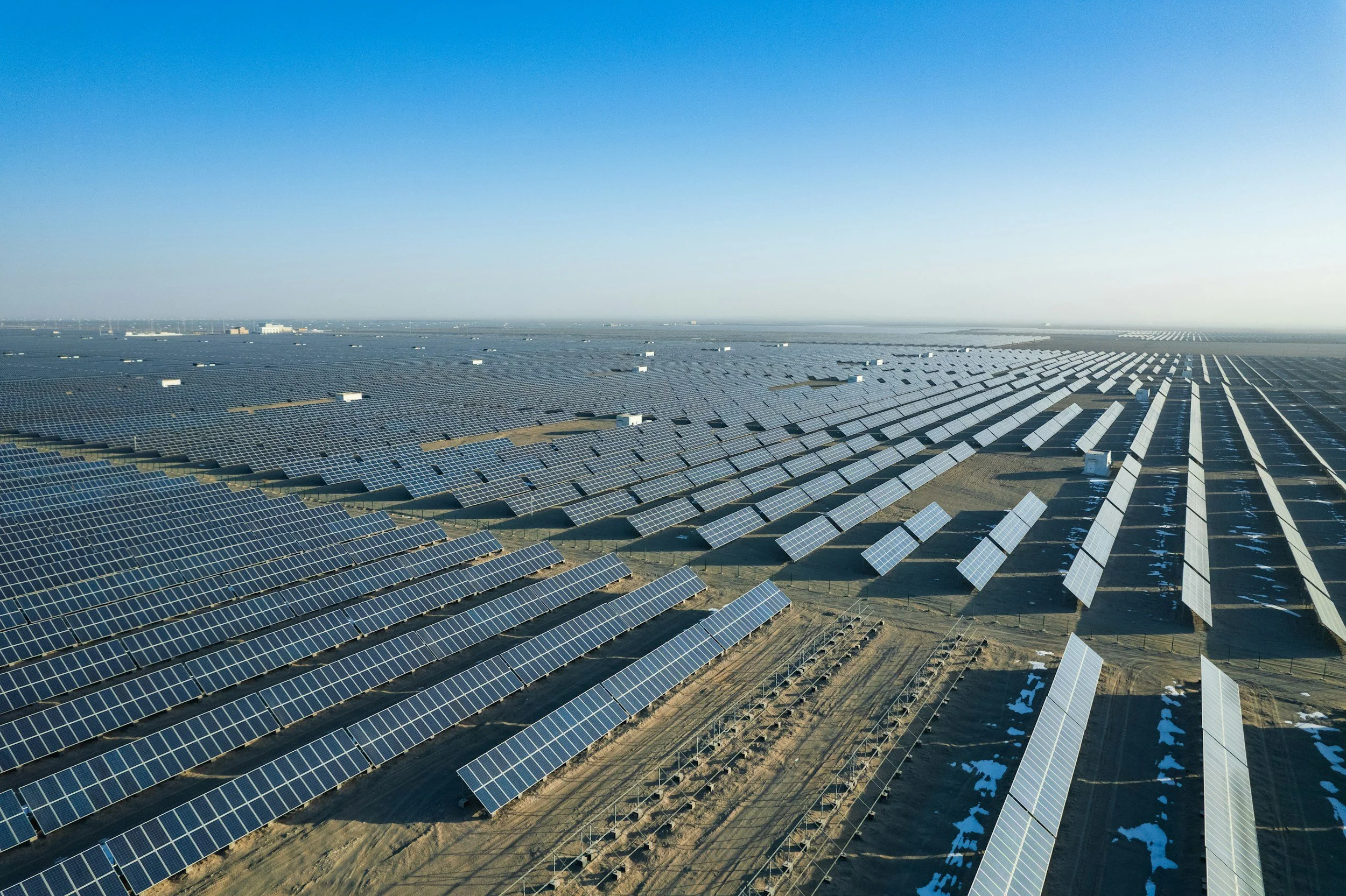
Accordingly, China is now presenting itself as a global leader on clean energy, and upgrading industries for green competitiveness as the engine for future growth – framing climate ambition not as a cost, but as a competitive advantage. Meanwhile, President Trump can’t see the energy revolution for the windmills.
And, while the war of words will, no doubt, continue – the fightback has begun. Progressive business leaders are starting to return from the shadows, once again, and stand up to false narratives.
The Financial Times reports on Nestlé’s new CEO, Philipp Navratil, sharing a much more bullish position on sustainability at an event for their employees in December 2025: “It’s a bit [of] a pity” that the world’s largest food company isn’t more vocal on sustainability issues. Nestlé’s chief said that while he should bear some of the blame it was “also President Trump’s fault”. Sounds fair.
Navratil explains further, “it’s a huge mistake not to be focused on it [sustainability]” and assured employees that Nestlé was still committed to its net zero emissions targets. “We have not stepped back from it but we have to talk about it more.”
This is a bold admission by Néstle; OK, they might not have completely stepped back – although, in fairness, they might be accused of greenhushing – they now seem to appreciate the need to engage in a more meaningful drive for sustainability.
Of course, they know that, beyond the noise of culture wars, they have to face reality – as all FMCG firms will need to – that their business models are riddled with climate and other sustainability-commercial risks, which they ignore at their shareholders’ peril. Call it enlightened self-interest, if you will?
The crisis is real
The climate crisis is real, with major business and investment risks, along with economic consequences. As Ryan Gellert, CEO with Patagonia reminds us, "The climate crisis will worsen whether Zeldin and the Trump administration believe it or not. No executive order, law or statement can wish it away.” Gellert is spot on.
We only have a limited amount of time to act. Radical solutions are needed, if we are to keep our climate within 1.5/2C by 2030 – let alone deal with our further challenges of ecosystem collapse, resource scarcity, rising inequality, and so on.
Leading players are making progress, yet – while there’s lots of huffing and puffing – we’re not seeing enough real progress on the ground. As we see above, the metrics of commitment look good, but the metrics of impact need more serious work.
At a national level, the G20 countries – responsible for around 75% of global greenhouse emissions – remain way off-track in meeting their climate targets.
Corporate emissions are also continuing to rise, despite the growing number of pledges, commitments and targets. While nearly 50% of listed companies have now set decarbonisation targets, only 17% of companies’ climate targets are aligned with the 1.5C Paris goal.
On our current trajectory, we will hit somewhere between +2.3C and +2.8C of global average temperature rise by the end of the century.
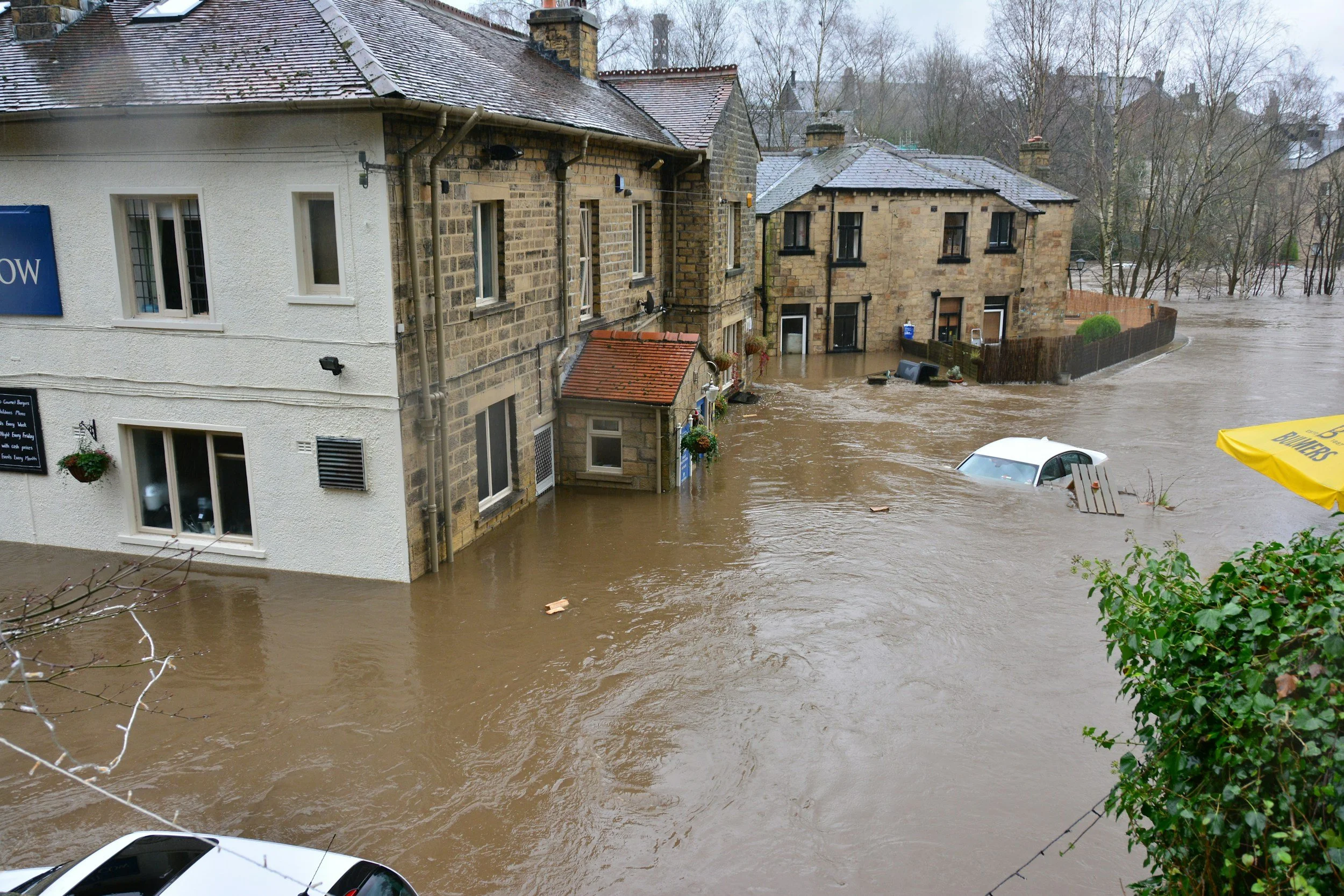
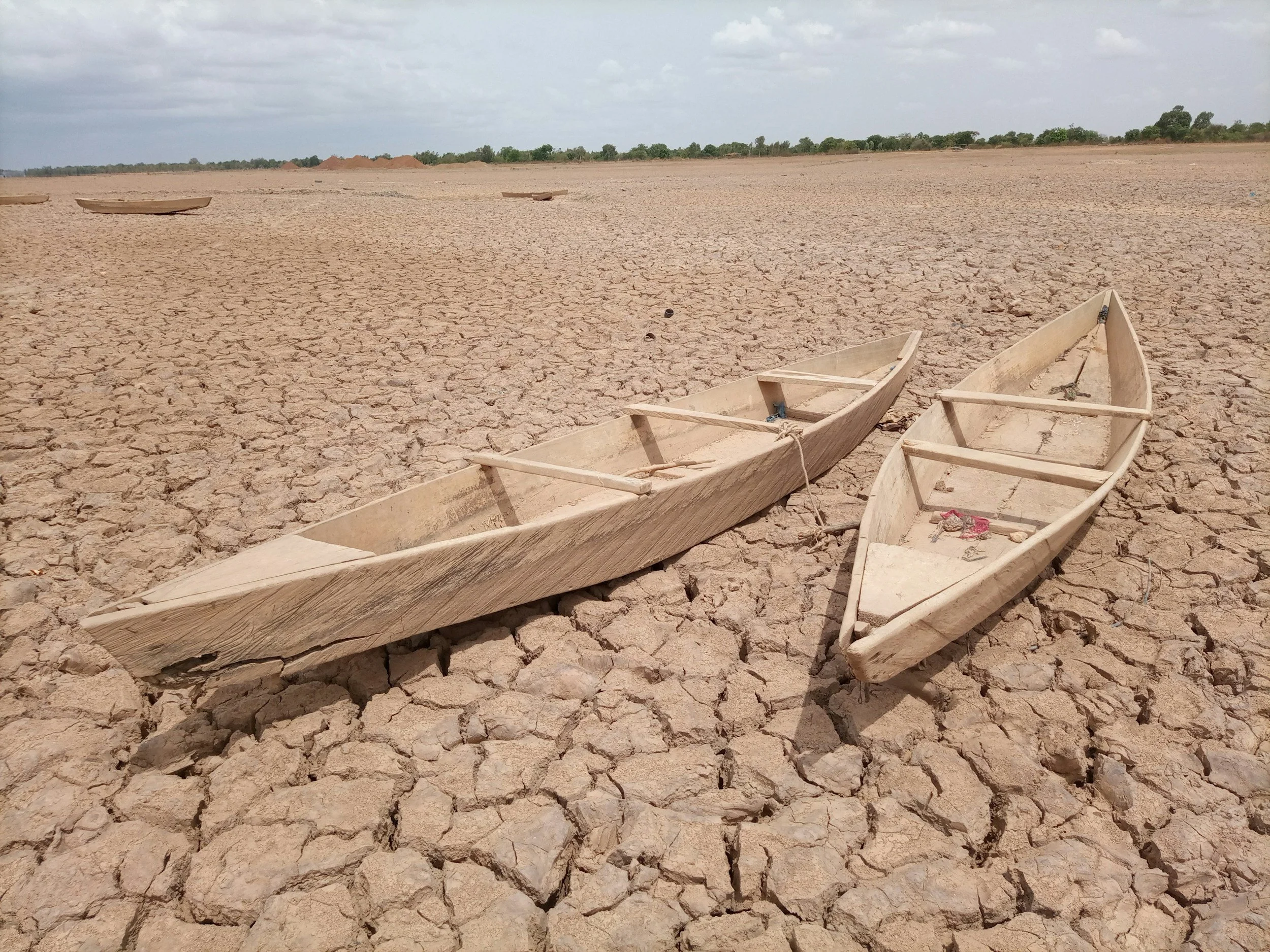
We’re falling behind and it matters a great deal. Every incremental increase in average global temperature beyond 1.5C means a greater frequency and severity of extreme climate events, along with all this entails, including: storms, droughts and wildfires, rising sea levels and flooding, poor harvests and food price hikes, collapsing ecosystems and more. We move towards dangerous tipping points that will destabilise the whole planet – putting millions of lives at risk.
The economics of climate crisis are also devastating. According to the Institute and Faculty of Actuaries, allowing average temperatures to rise to 2C could deliver a 25% reduction in projected global GDP by 2050, rising to an unprecedented 50% hit by 2090.
To get a sense of proportion; the combined effects of Brexit have already reduced UK's GDP by 6% to 8% by 2025 – with all this entails for lost jobs, investment and prosperity.
Now, just imagine the impact of an ongoing climate-induced financial crisis, more than four times the severity of Brexit (and rising) for every nation by 2050? This highly likely scenario doesn’t bear thinking about.
Do nothing is not an option. Neither is caving in to the delusion of culture wars. We need to act. And, we need to be prepared to do what it takes. And, in business, necessity is the mother of invention!
Innovation deferred?
The trouble is, most climate action strategies are underpinned by methodologies based on incremental change in business-as-usual baselines; focused on the initial low-hanging fruit, leaving “innovation gaps” for some later date (read the small-print, folks); they tend towards diminishing returns and the “net-zero crunch” – the point at which they run out of genuine carbon reduction opportunities, within the current framing of the business. They are not really fit-for-purpose.
Facing reality, there’s no more time for playing at the edges; incremental change is not going deep enough, or fast enough. We need a complete shift in joined-up thinking and action, commensurate with the scale and pace of the challenge at hand. A rapid transformation, in each and every business, economy and society, is essential.
We need to completely redesign our strategies
In getting our net-zero pathways back on track, we need to completely redesign our strategies, bringing forward the ‘innovation gaps’, and finding the new ‘sweet spot’, with net-zero solutions that work technically, sustainably and commercially. Following a more strategic approach, businesses can avoid years of wasted effort, costly mistakes and the risk of path dependencies.
We need to deliver a full-blown transformation in all that we do – across all sectors, whether in automotive, construction, healthcare, manufacturing, technology, clothing, food systems, and all the rest.
Read Part 2
In part 2, we’ll share a deep-dive and explore how it’s possible for construction, an industry with a massive environmental impact – a major part of the problem, yet also major part of the climate solution. READ PART 2 >>
Read Part 3

Written by Mike Townsend, CEO at Earthshine Group
This article has been developed and written without the use of AI — never outsource a core competence — use it or lose it.
Further information
If you’d like to know more about how to rethink your net-zero strategy to deliver transformational impacts and competitive advantage – you might explore Earthshine Group’s Sustainability Transformation Accelerator program: A powerful collaboration with Copenhagen Business School, developed to equip business leaders in moving beyond incremental change and unlocking impactful breakthrough strategies that drive sustainable business transformation and commercial advantage (April 8-10, 2026).
The Circular Economy UK Conference 2026
Mike will be speaking on the ‘Unlocking Green Skills at Scale: What Will It Take’ panel at the upcoming Circular Economy UK 2026 conference, held at ICC in Birmingham on Thursday 5th February, 2026.
CBS Executive Morning Brief
Mike will be joining Professor Andreas Rasche for a CBS Executive Morning Brief (webinar) on 26th February — exploring, whether it’s time to rethink net-zero strategies for impact and commercial advantage; redesigning business models and value chains to make net-zero work technically, sustainably, and commercially.
And, look out for our new white paper: Don’t Waste Your Time on Net-Zero provides a strategic guide to help progressive businesses develop more transformational strategies – avoiding the common pitfalls and wasted effort – so they can accelerate on emissions reduction, bringing forward the ‘innovation gap’, and finding the new ‘sweet spot’, with net-zero solutions that work technically, sustainably and commercially (February 2026).