

The Urban Sustainability Forum brought together industry leaders, sustainability experts, policymakers, and urban planners to explore how Dublin can move from laggard to leader and become a smarter, more sustainable city.
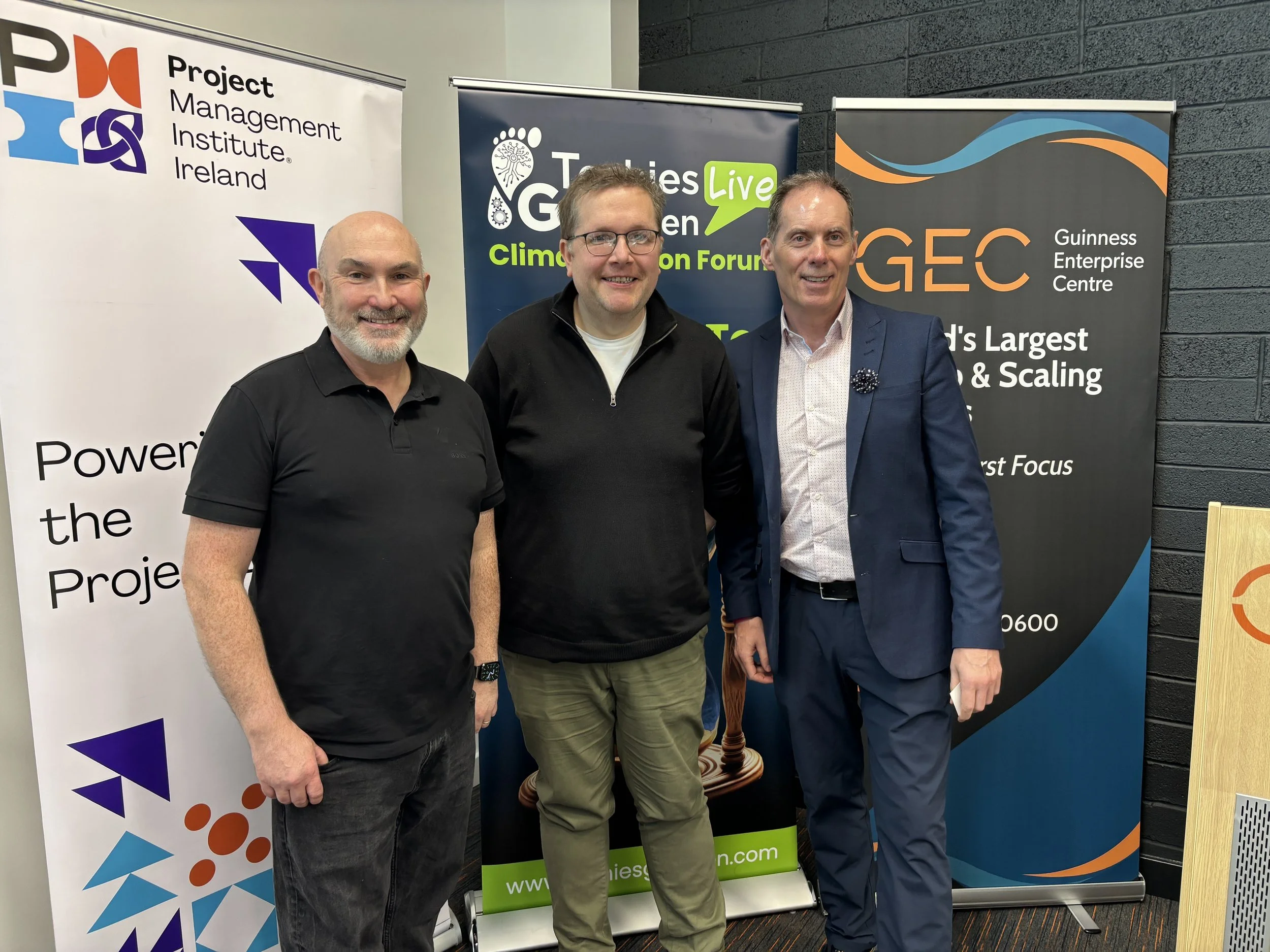
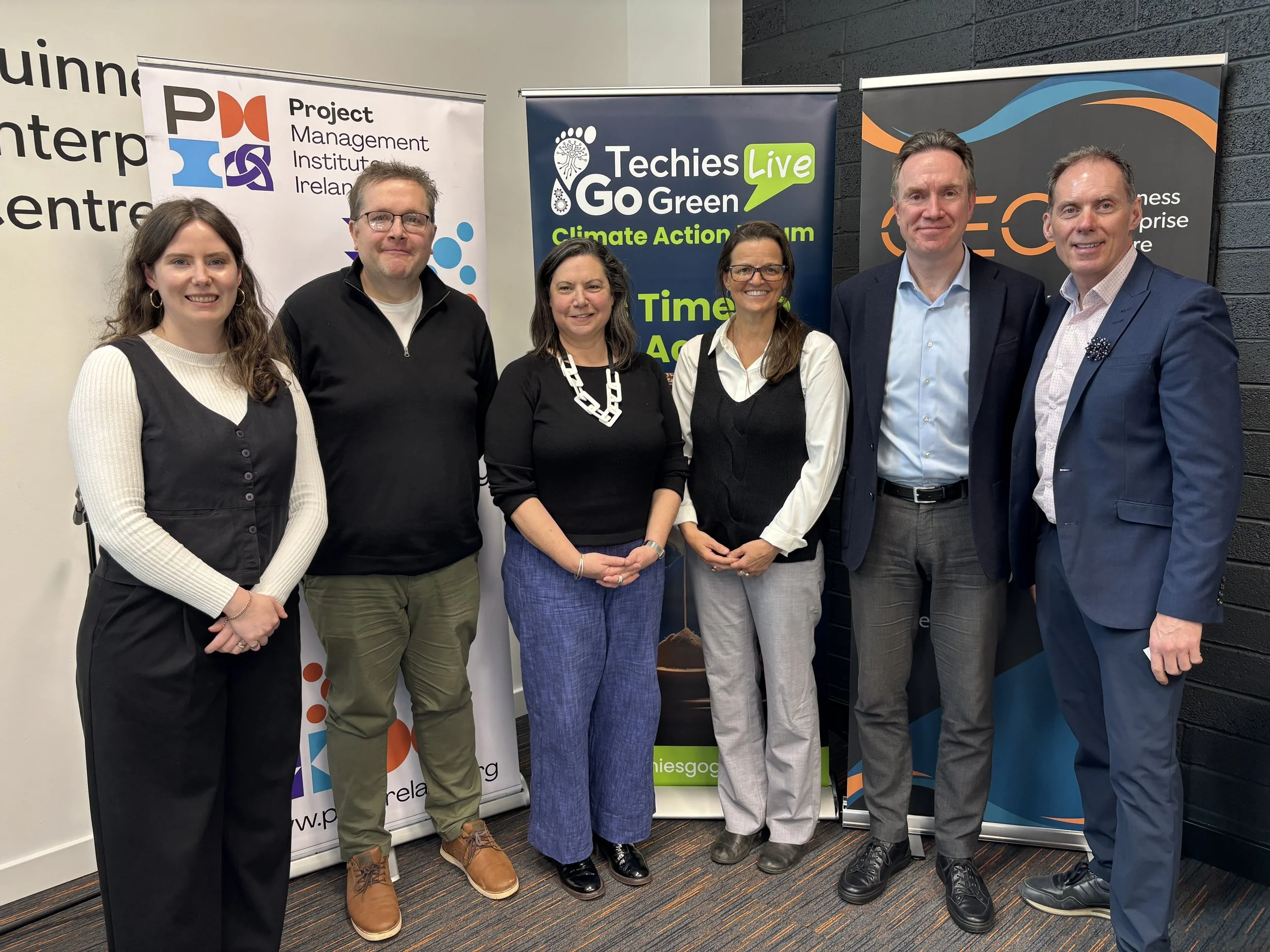
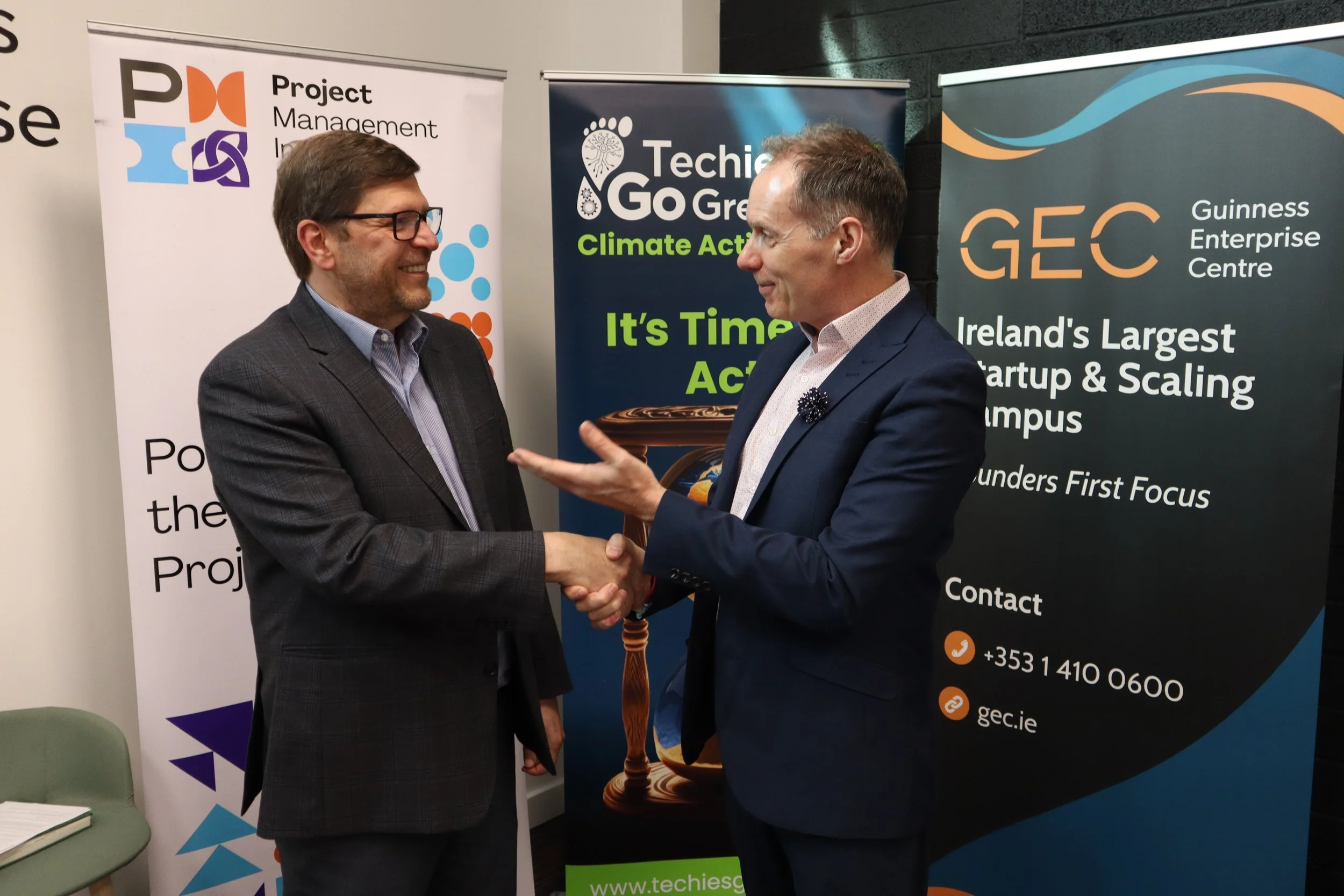
As many cities in Europe accelerate their transition toward climate-neutral, resilient, and higher-quality urban living, the forum examined the challenges that have left Dublin behind comparable cities.
Key points discussed included:
Congestion: Dublin’s traffic congestion and delays and their wider impact on mobility and productivity
Emissions: Higher-than-average per-capita CO₂ emissions compared with European city averages
District heating: Limited progress, with only a small number of operational projects
Building retrofits: Significant gap between current progress and climate targets
Public transport: Lower-middle ranking in availability and quality among European capitals
The session set the context for wider discussions on how data, infrastructure investment, and coordinated planning could help Dublin close the gap.
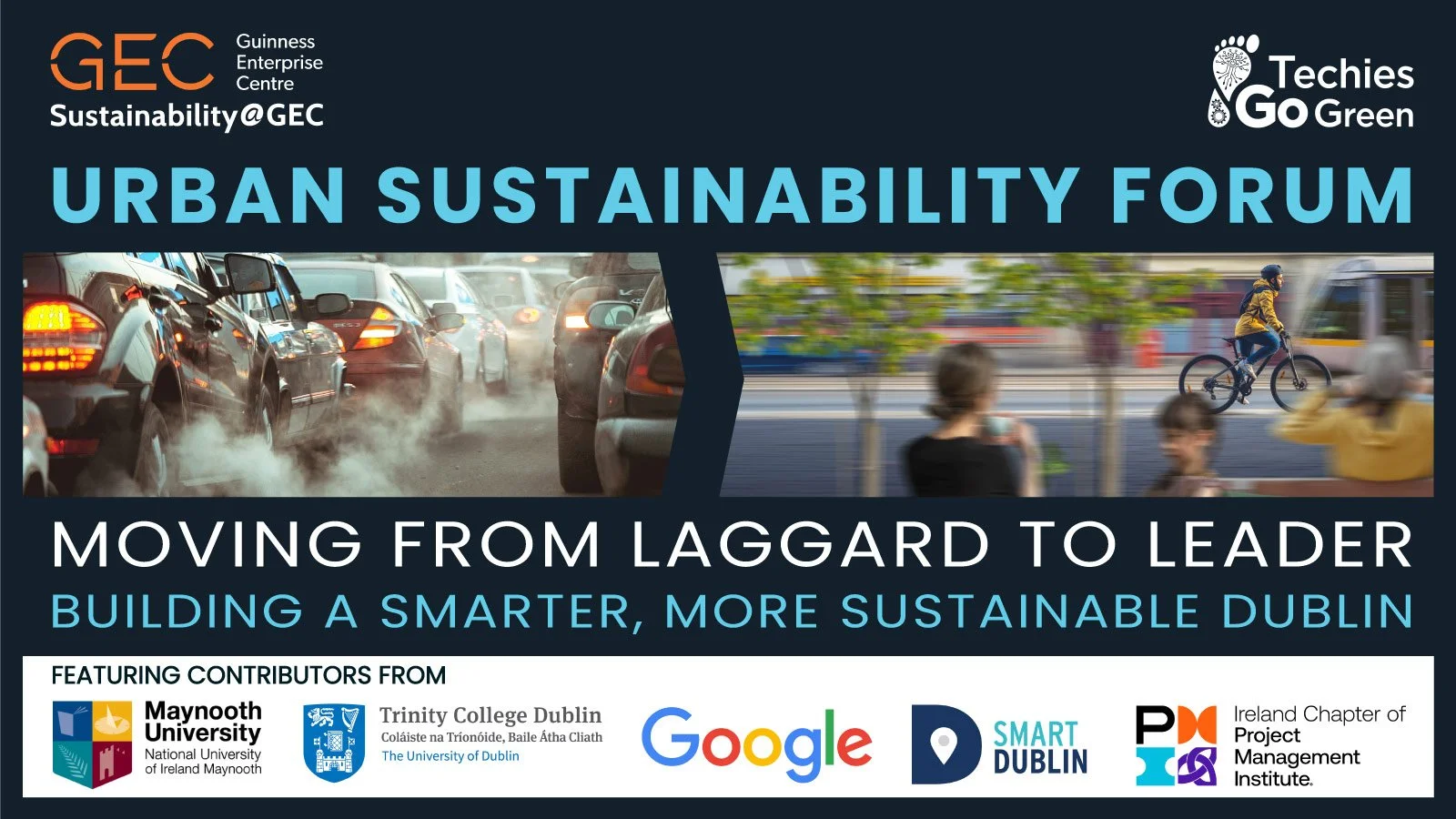
Why Businesses Should Care? The forum highlighted that improving Dublin’s sustainability is not just a planning or social issue, but a growing business performance factor. Poor progress has direct implications for inward investment, talent attraction, operating costs, climate resilience, employee wellbeing, and increasing regulatory exposure.
Half-Day Forum Overview
The Urban Sustainability Forum featured a series of expert presentations and interactive sessions using Dublin as a real-world case study to explore the challenges facing fast-growing cities and the practical steps needed to create healthier, more sustainable urban environments.
The event focused on how geospatial data, mapping, and smart-city programmes can help Dublin and other Irish cities close the gap with higher-ranked European counterparts, delivering improvements in congestion, energy efficiency, public transport reliability, and emissions management.
Key objectives included:
Identifying key transport and environmental challenges affecting Dublin
Exploring planned public transport expansion over the next decade
Examining how data and evidence-based planning can improve decision-making
Reviewing successful approaches from other cities
Discussing how businesses and policymakers can support meaningful change
Panel Discussion
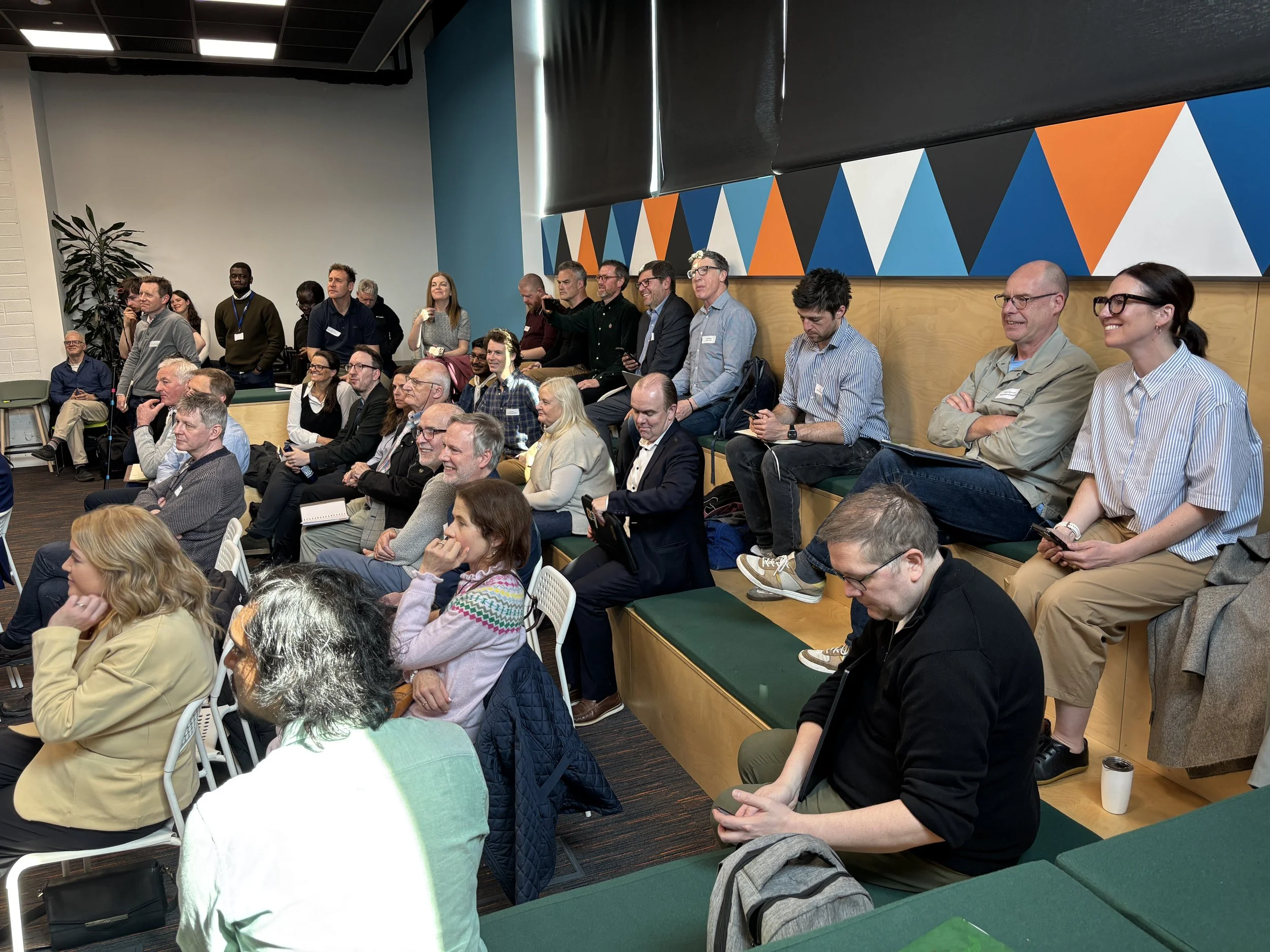
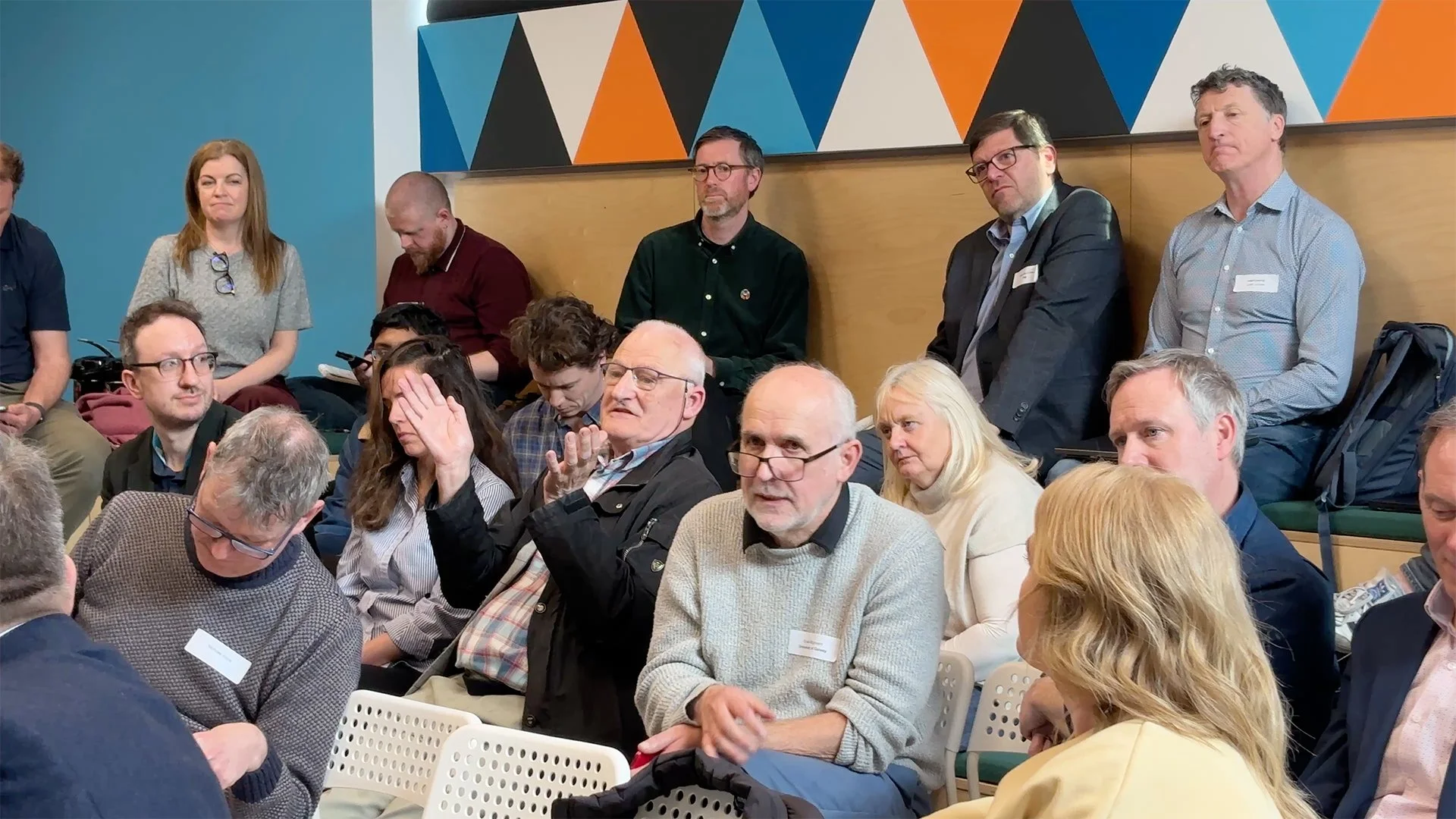
The presentations were followed by a lively panel discussion that brought together speakers and guest panellists to reflect on the insights shared and what they meant in practice.
With audience input, the debate explored how stakeholders could better use available data and work more collaboratively to make informed decisions on mobility, location, sustainability, and infrastructure in Dublin.
The session focused on:
Bringing together perspectives from business, infrastructure, geospatial data, and sustainability
Reflecting on the key themes from the presentations
Discussing practical actions stakeholders could take to drive meaningful change
Who This Was For?
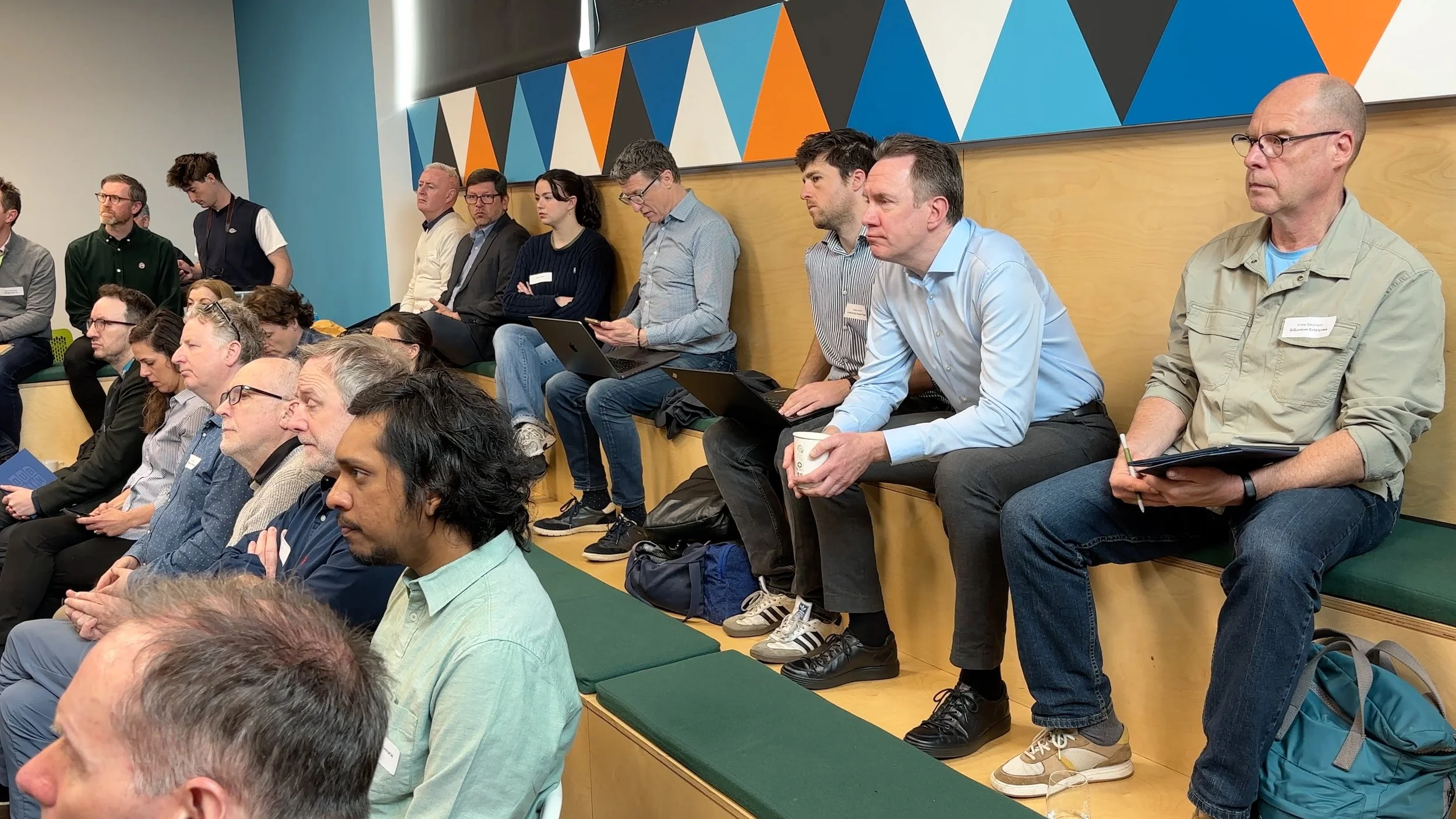
The event brought together a broad group of stakeholders, including business managers, urban planners, property managers, construction and infrastructure project managers, property developers, sustainability professionals, and anyone with an interest in urban sustainability.
Presenters
Dublin Transport
Build It And They Will Come
Prof. Caulfield will look at the current transport challenges facing Dublin and other cities in Ireland, and explores the decade of construction that is ahead for Irish cities in order to achieve our climate goals in transport.
Ireland has the legally binding target of reducing transport emissions by 50% by the end of the decade. Brian will explore how large scale public transport projects (Metrolink, Luas and DART+) can help achieve an emissions reduction but also an improvement in quality of life.
Building A Smarter Dublin
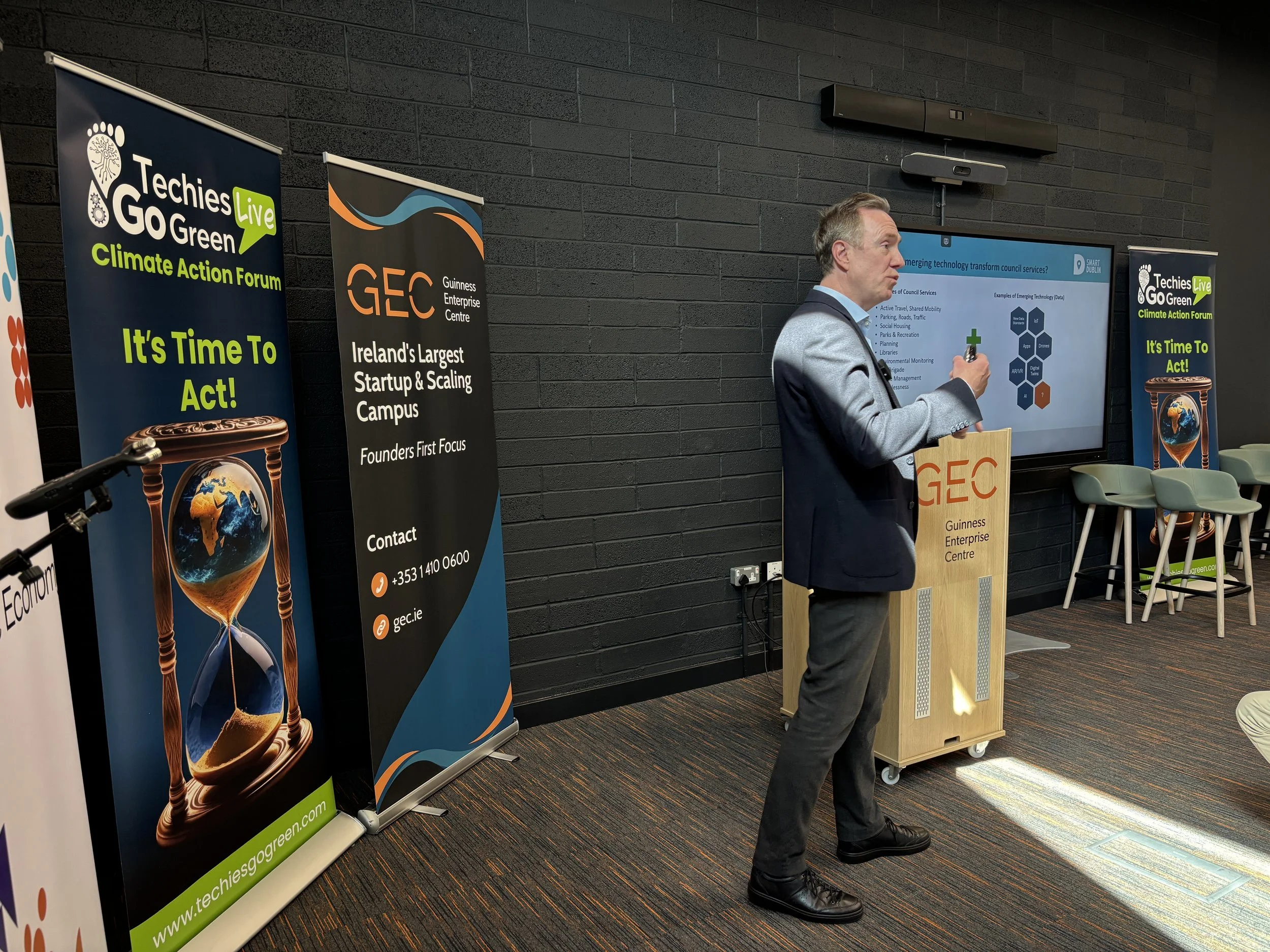
Alan Murphy will talk about how Smart Dublin brings together technology providers, academia and citizens to transform public services.
Alan will talk about their goal to future-proof the Dublin region by trialing and scaling innovative solutions to a wide range of local challenges.
Alan will outline how emerging technology is enabling each of the four Dublin Council Climate Action Plans covering topics such as Energy & Buildings, Transport, Flood Resilience, Community Engagement, etc.
Data-Driven Decisions: Tools Businesses & Urban Planners Can Use Today
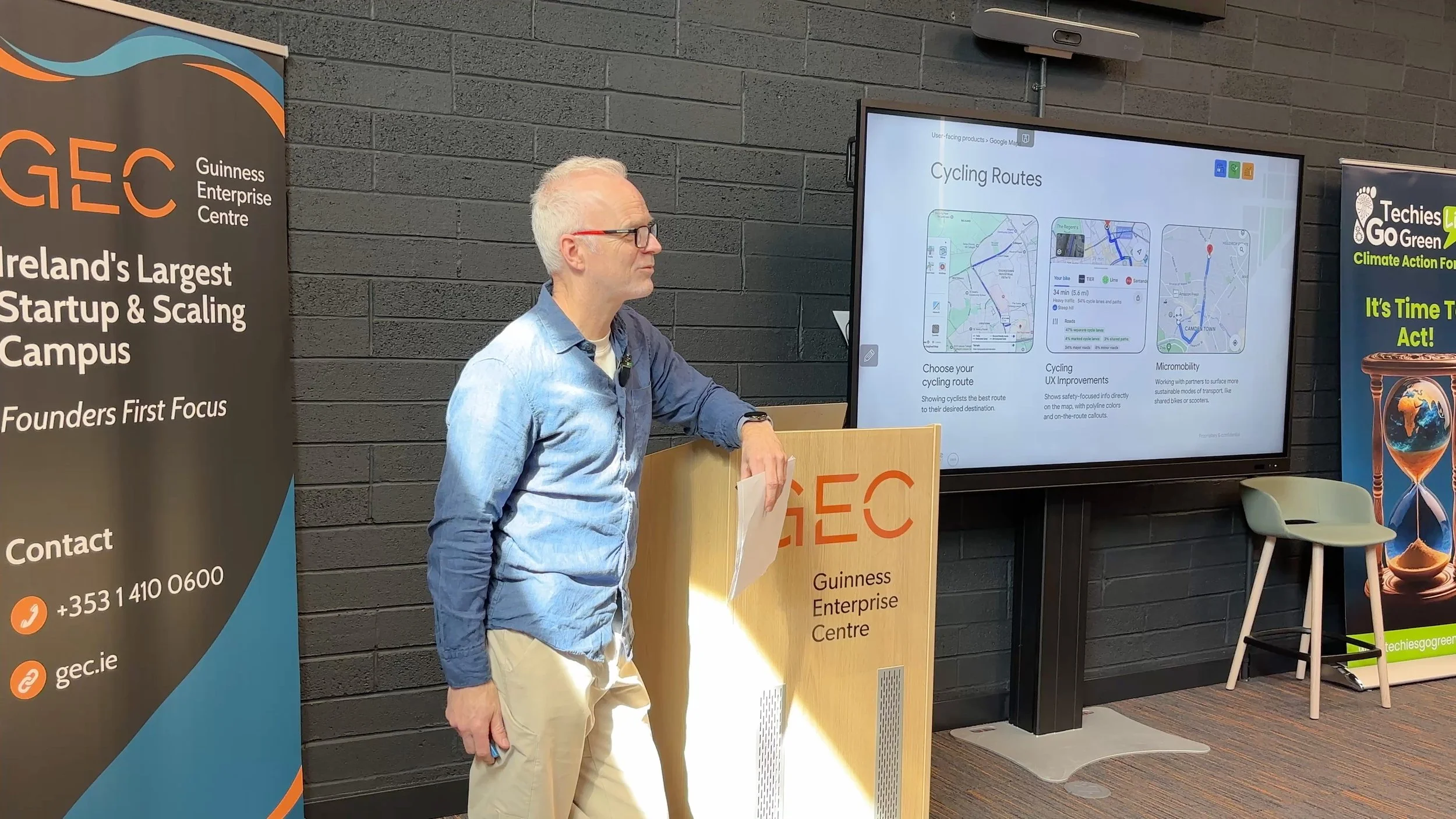
Paddy walks us through what they are currently working on and what their tools show at city and neighbourhood level - emissions, transport mode share, solar potential, routing data, etc.
Paddy will speak about Google’s Environmental Insights Explorer which is founded on the idea that data and technologies can help accelerate the world’s transition to a low-carbon future. EIE aims to simplify the process of setting an emissions baseline and identifying tangible reduction opportunities, which sets the foundation for effective action.
By surfacing environmental information in a robust platform, Google aims to serve decision makers and researchers working on these issues and solutions for cities globally.
Why The Environment Is Important For Business
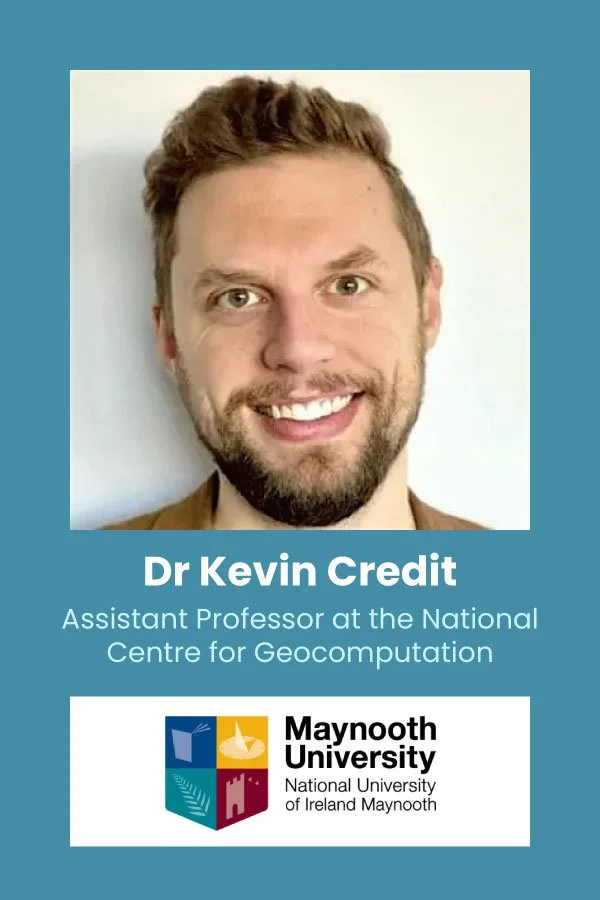
Dr Kevin Credit will speak about how urban environmental conditions can directly influence workforce wellbeing, productivity, and operating risk. Businesses operating in poorly performing urban environments face hidden costs.
For Staff: Air quality, noise exposure, public transport accessibility, and access to green spaces during breaks.
Transport Logistics: The ability to plan and execute the efficient movement of goods is critical for many types of business. Congestion represents a “tax” on productivity.
Environmental Reporting: ESG reporting - employee commute, health and welfare and environmental transport emissions and their related costs.
Expert Panellists For Our Forum Session
Urban Sustainability Forum Expert Panellist
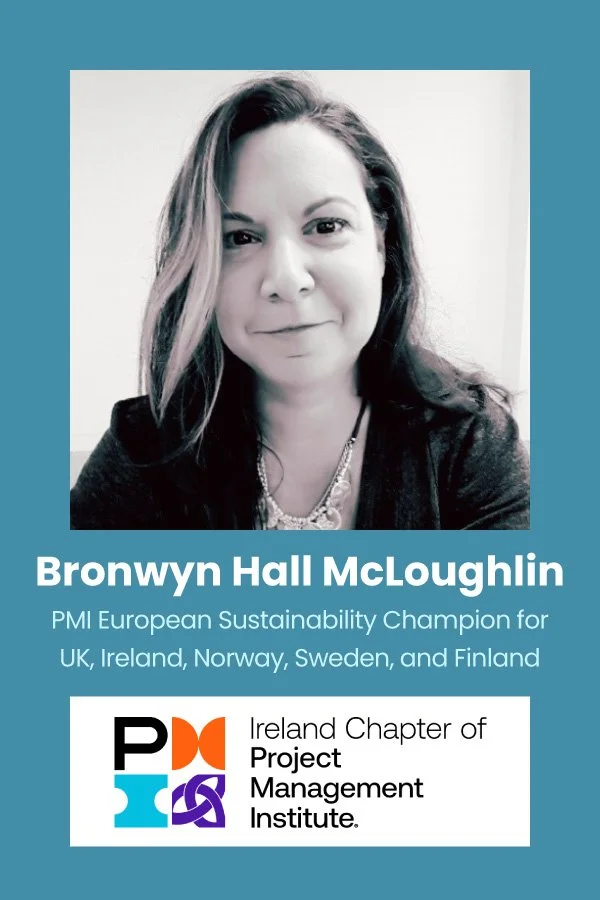
As sustainability, change, and transformation leader active within the PMI Ireland Chapter, focusing on embedding sustainability into project management, Bronwynn will bring a unique perspective on sustainability, planning, and project management.
Bronwyn brings over three decades of dynamic leadership in start-ups, human capital, change management, and transformation initiatives worldwide
Urban Sustainability Forum Expert Panellist
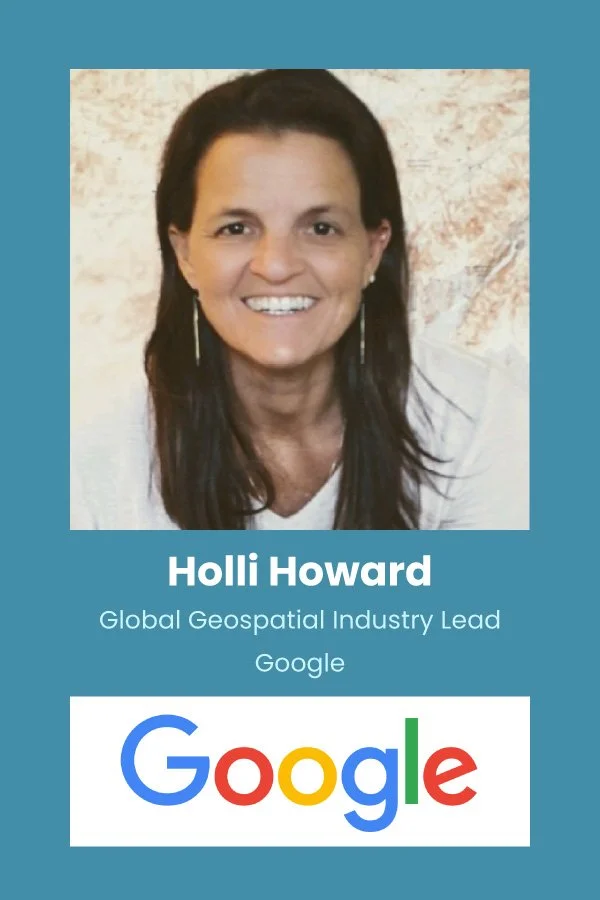
Holli Howard’s brings over 25 years of career experience to our panel session. Holli leads efforts to create connections between Google Maps and the geospatial industry having spent years focused on championing the power of maps to help do good things.
With a career that started with mapping and planting trees in Washington DC, she transitioned to champion and lead climate and national security initiatives at the National Geospatial-Intelligence Agency followed by a coveted assignment at USAIDs GeoCenter.

Moderator
Francis will moderate this interactive discussion where attendees and panellists exchange ideas, experiences, questions, and viewpoints.
This session will look at how stakeholders can better use available data, and work together to make more informed decisions about mobility, location, sustainability, and infrastructure in Dublin.
About Our Contributors

Dr Kevin Credit
Assistant Professor at the National Centre for Geocomputation at Maynooth University
-
As an Assistant Professor at the National Centre for Geocomputation at Maynooth University, Kevin’s research broadly focuses on understanding how machine learning (ML) and artificial intelligence (AI) approaches can be designed to more explicitly integrate spatial information and spatial ways of thinking, assess problems of causal inference, and provide better insight into the explanatory relationships driving model results.
As a former urban planner, Kevins work also addresses a range of substantive topics related to cities, including walkability, non-auto commuting patterns, and the economic and environmental impacts of transportation systems; 2) energy efficiency and retrofitting activity in residential buildings (and how these fit into larger urban energy and transportation systems); and 3) the social, spatial, and environmental determinants of health and well-being (among others).

Holli Howard
Global Geospatial Industry Lead at Google
-
Holli Howard leads efforts to create connections between Google Maps and the geospatial industry having spent years focused on championing the power of maps to help do good things.
Prior to Google, Holli worked on climate and national security efforts at the National Geospatial Intelligence Agency, found deep satisfaction in humanitarian mapping for USAID and started my career mapping and planting trees in Washington, DC. Holli currently sits on the US National Geospatial Advisory Committee and am on a lifetime journey of education.
Paddy Flynn
VP, Geo Data Operations at Google
-
A full biography for Paddy Flynn coming soon.
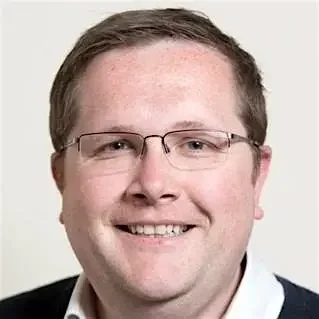
Prof Brian Caulfield
Professor in Transportation in the Department of Civil, Structural and Environmental Engineering in Trinity College Dublin
-
Prof Caulfield is a Professor in Transportation in the Department of Civil, Structural and Environmental Engineering. He is also a Fellow of Trinity College Dublin. Since joining the Department Prof Caulfield has embarked on an intensive research program addressing global issues such as the environmental impacts of transport and methods to reduce the carbon impacts of transport and in 2017 he addressed the Irish Citizens Assembly on this topic. He recently provided advice to the Climate Change Advisory Council on pathways to decreasing transport emissions by 2030. Prof Caulfield was a member of the Steering Group for the review and update of the GDA Transport Strategy with the National Transport Authority. Prof Caulfield has published over 200 papers in these areas in high impact international journals and international conferences and to date has been awarded aprox. €12 million in research funding (from EPA, SFI, FP7, CEDR, TII, DoT, RSA, SEAI and HORIZON Europe).

Bronwyn Hall McLoughlin
PMI European Sustainability Champion - UK, Ireland, Norway, Sweden, and Finland
-
Bronwyn Hall McLoughlin is a sustainability, change, and transformation leader active within the PMI Ireland Chapter, focusing on embedding sustainability into project management.
Bronwyn brings over three decades of dynamic leadership in start-ups, human capital, change management, and transformation initiatives worldwide, and has recently pivoted her business towards sustainability. She has worked with a diverse range of global companies, including General Electric, Cisco, Shire Pharmaceuticals, Deloitte, Chartered Accountants Ireland, as well as public sector, not for profit, and a variety of early stage tech businesses. She was the former Ireland Chapter Lead, and now a global Board member of the Change Management Institute.
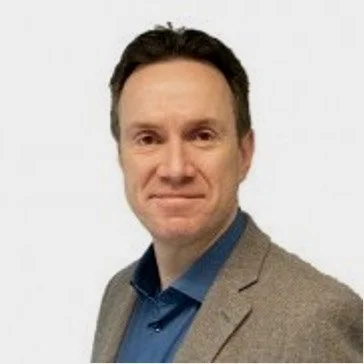
Alan Murphy
Regional Manager - Smart Dublin
-
Alan is the Smart Dublin Regional Manager working across all four Dublin Local Authorities to explore the uses of emerging technology to provide better public services. He has extensive experience in delivering change enabled by technology in sectors such as the Energy, Healthcare, Manufacturing and Humanitarian. He was the Design Authority on the Irish Smart Metering programme which sparked his interest in Smart Cities.
He has previously worked in IT consulting roles for PwC and IBM amongst others. Alan’s qualifications include a Business Studies Degree and Postgraduate Diploma in Computing from the University of Limerick.