JOIN OUR SMARTER ENERGY WEBINAR SERIES
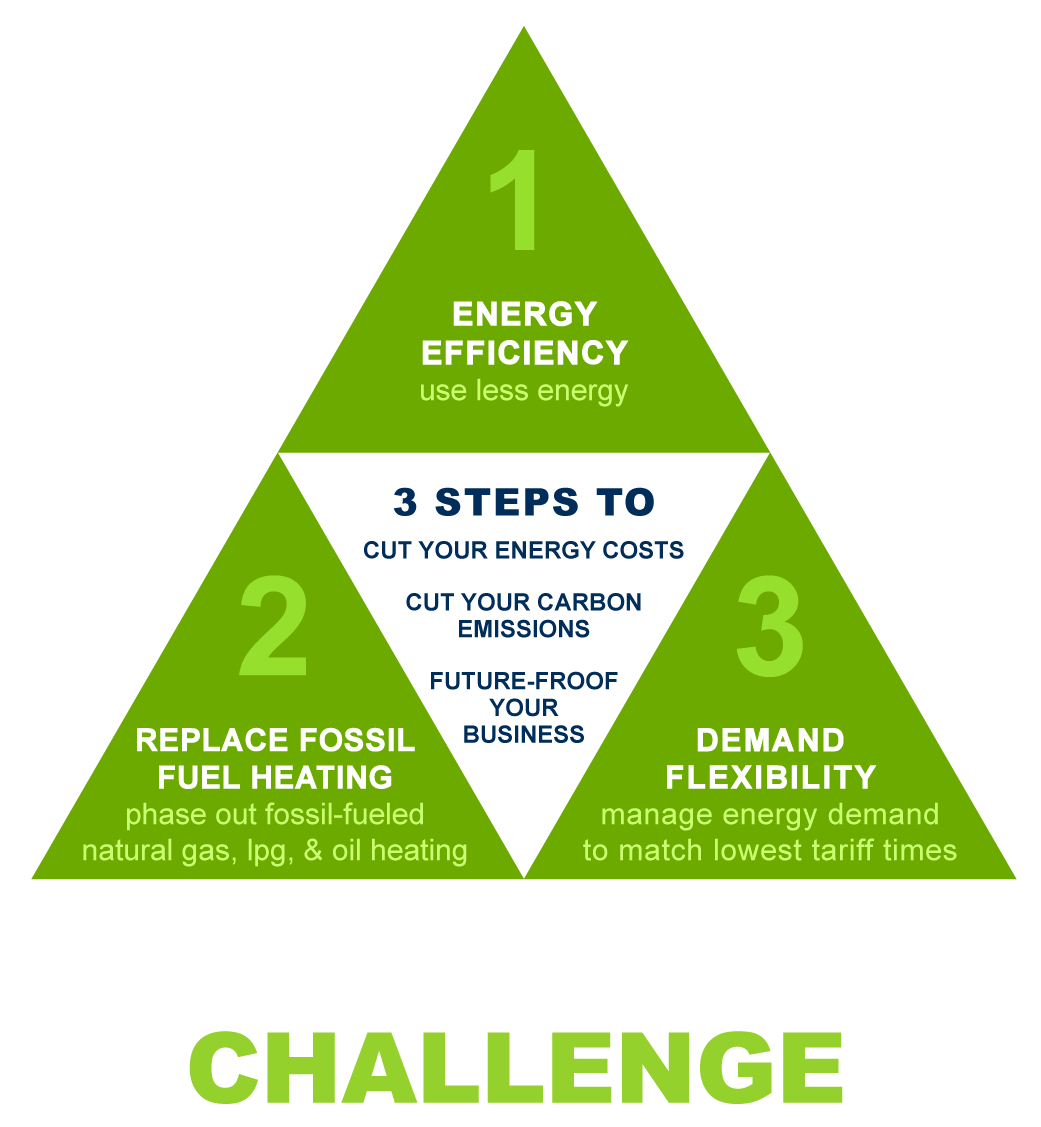
These webinars will guide you through three key steps to understand and implement a smarter approach to cutting energy costs, cutting carbon emissions, and future-proofing your business
Get guidance on SEAI grants and green finance to support your energy transition projects at our Finance Focus webinar
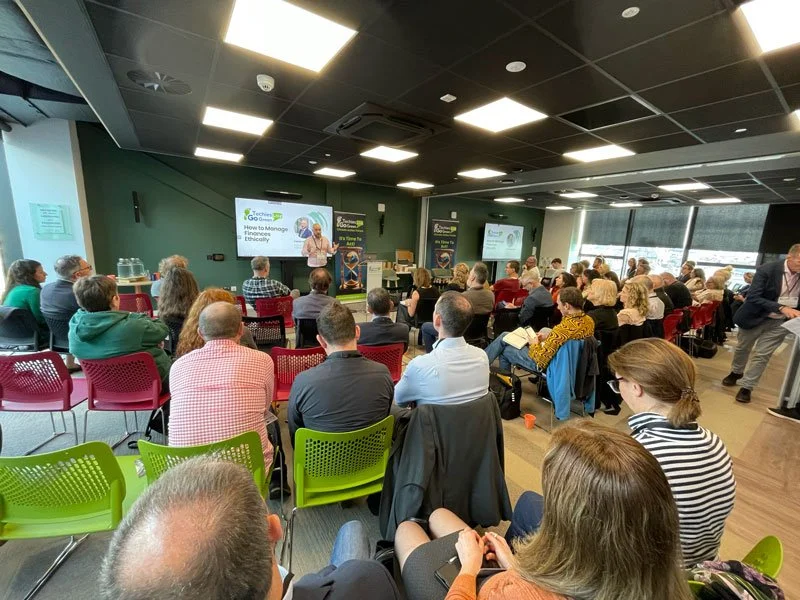
Full Access To Four Online Webinars (Attend live or watch recordings later)
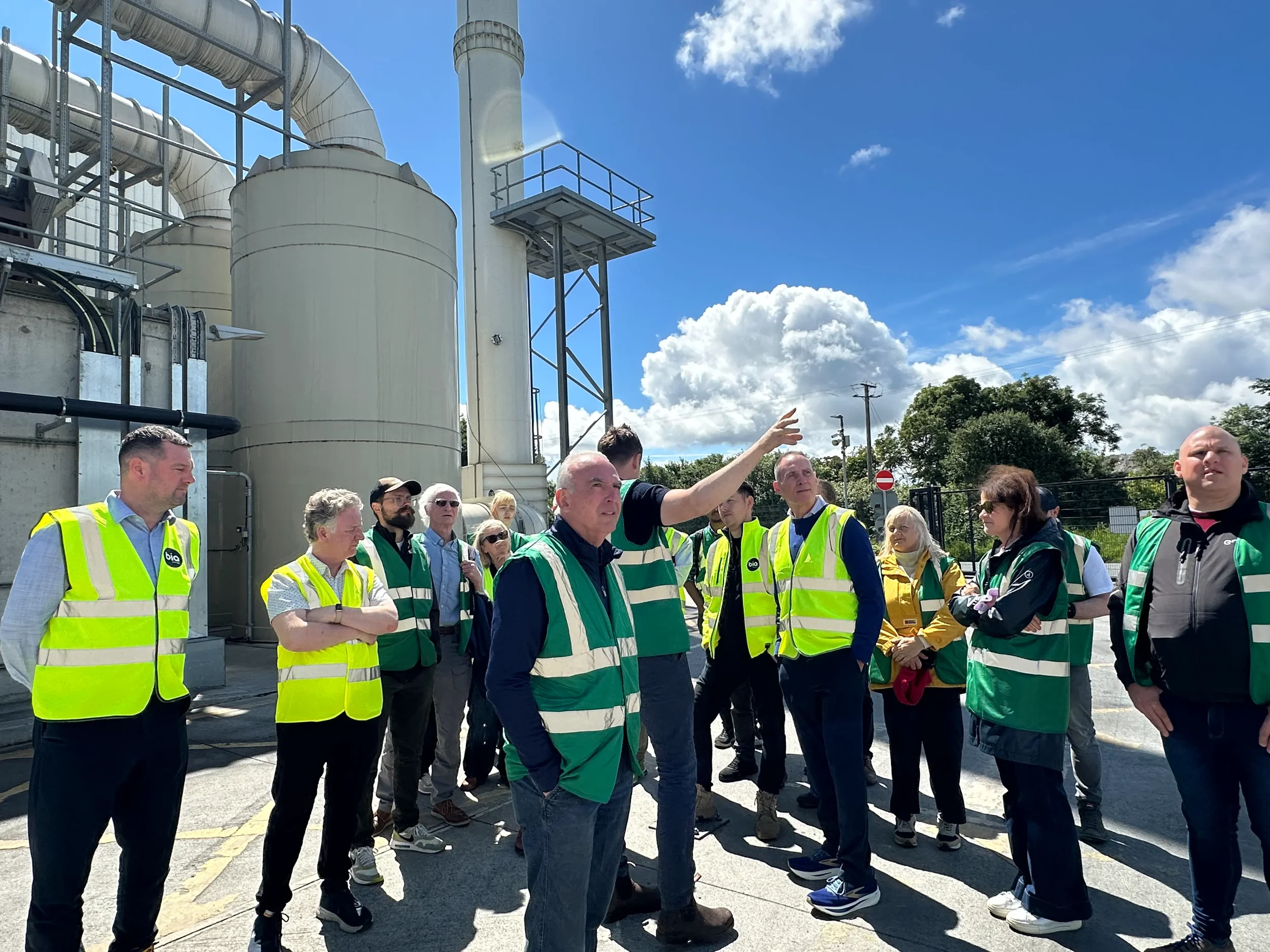
Follow Up With Four Case Study Site Visits to Real-World Business Examples
Access Our Briefing Resource Packs

If you have any questions or trouble registering contact us at info@techiesgogreen.com
SPONSORED BY OUR SUSTAINABLE ASSET FINANCE PARTNER:
REDUCE
WEBINAR 1
Energy Efficiency Focus
10:30am - 12:30pm, Sept. 24

PURPOSE
This session will show businesses how to understand their energy use, identify waste and turn audit findings into informed decisions.
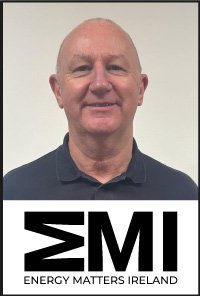
Steve King
Founder and CEO of Energy Matters Ireland
WEBINAR OVERVIEW
A practical, collaborative workshop showing businesses how to understand their energy use, identify waste and turn audit findings into informed decisions. Steve will open the session. Michael and Paul will use real-life case studies to explain the audit process and the opportunities it reveals. Steve will deliver the finalresentation, demonstrating how EMI works alongside auditors and customers to move from recommendations to implementation, grant applications and better management of energy costs.
The emphasis will be on the commercial benefits: lower operating costs, improved energy resilience, reduced emissions and a clear roadmap for investment. Technical concepts will be explained in accessible terms for business owners, finance, procurement and sustainability decision-makers.
-
Welcome | Steve King | 10 minutes
Steve, Michael, and Paulexplain how the three presentations will follow the customer journey from understanding consumption to identifying improvements and delivering change. Invite participants to share their main energy challenge.
Understanding energy use | Michael Norton |
Michael explains where and how businesses use energy, what an energy audit involves and how the appropriate audit scope is selected. Cover audit levels, temporary and permanent monitoring, and the value of ongoing measurement in identifying waste and checking performance.
Use a real audit example to show how evidence becomes a recommendation: what was measured, what the findings revealed and what the business needed to consider next. Briefly signpost audit supports, with the practical grant application discussion reserved for Steve’s closing presentation.
From efficiency to decarbonisation | Paul Donoghue |
Walk through the proposed live manufacturing case study: a business with existing solar PV and significant gas consumption seeking to increase renewable energy use and decarbonise operations. Explain the starting position, efficiency opportunities, technology options and the commercial considerations shaping the recommended pathway.
Discuss investment sequencing, costs, potential savings, operational disruption and the risk of investing in equipment that may become unsuitable as the business decarbonises. Clearly distinguish completed work and measured outcomes from proposals and forecast savings.
Shared case discussion | Steve King, Michael Norton, Paul Donohue |
Steve will draw out the links between the audit evidence and the customer’s next decision. Michael and Paul will discuss the technical priorities, while Steve explores budget, funding and implementation questions. Invite the audience to consider which actions they would prioritise and why.
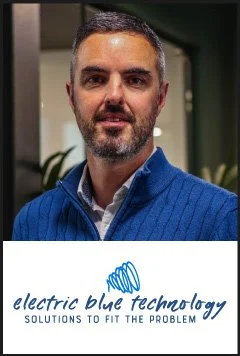
Paul Donohue
Founder at
Electric Blue Technology
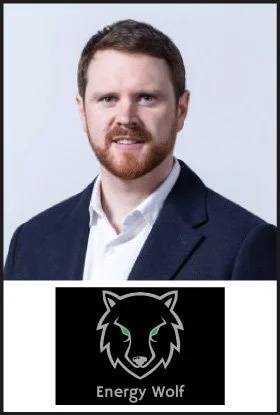
Michael Norton
Founder at
Energy Wolf

REPLACE FOSSIL FUELS
WEBINAR 2
Switch from fossil fuel heating to renewable alternatives
10:30am - 12:30pm, Oct. 8
PURPOSE
This briefing is intended to help participants evaluate how best to replace fossil fuel-based heating systems with renewable energy alternatives. It is designed to ensure investment decisions are based on real operational requirements and lifecycle cost logic, not assumptions or technology trends.
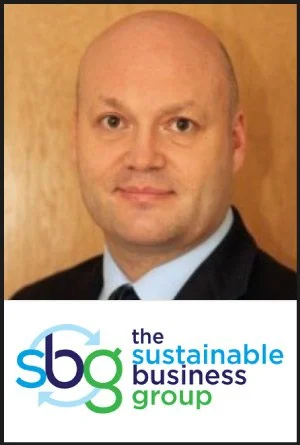
Brian Minehane
Principal and Head of Digital Sustainability
The Sustainable Business Group
-
Brian has a truly hybrid background having spent 38 years in industry with a focus on Information Technology (IT), FMCG/Retail, and Environmental Sustainability (ES). His career has covered business, consulting, commercial sales/account management, sustainability, education, charitable board chairmanship, project and programme management as well as deep technical skills.
He blends this hybrid background to deliver sustainable business value through agile product, service and programme management along with technical execution. He has worked for Tier 1 blue chip internationals such as HP, Dell, Fujitsu-ICL and Novartis as well as SMEs such as Ergo, Auxilion, Project Management group and his own company - The Sustainable Business Group (SBG). He has reported into C-Suite level with global experience spanning Ireland, the UK, EMEA, APAC and North America.
Most recently, Brian is Principal at The Sustainable Business Group (SBG) guiding companies on their sustainability (ESG) policies, strategies and actions plan, as well as preparing Greenhouse Gas (GHG) reports for company’s VSME and CSRD submissions. He is an ISO 14064 Greenhouse Gas Lead Verifier, both preparing and verifying company’s GHG emissions reports for Scopes 1-3. Previously Brian was Head of Digital Sustainability at Novartis pharmaceuticals and the sustainability programme leader at Ergo Group.
Brian is an adjunct teaching fellow at Trinity Business School (TBS) where he delivers a master’s level module on Carbon Accounting and Lifecycle Assessment (LCA), as well as a module on Sustainability Measurement and Reporting on the Executive Education programme. He is also a University Teaching Specialist at the UCD Smurfit Business School where he delivers a master’s level module on Business Decision Support Systems.
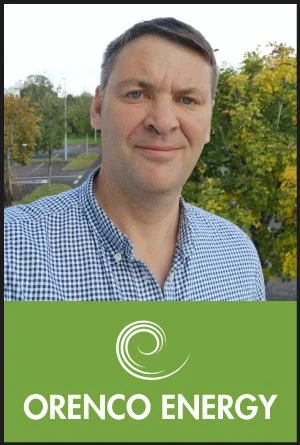
Padraic O' Reilly
General Manager
Orenco Energy
-
Padraic is a mechanical engineer working in the areas of renewable energy and building services. His work has a particular emphasis on the design and installation of heat pump systems with previous roles in Energy Research at TUS and Manufacturing of heating equipment. He runs Orenco Energy delivering heat pump and biomass heating systems as well as HVAC projects aimed at reducing energy consumption and CO2 emissions.
About Orenco Energy
Orenco Energy is a Heat Pump and HVAC company with customer service and green energy/heating systems at the core of its ethos. Clients can be assured of robust design, high quality equipment & installation works, post-works performance and energy monitoring along with annual service contracts to ensure that project objectives are met.
Visit: https://www.orencoenergy.ie
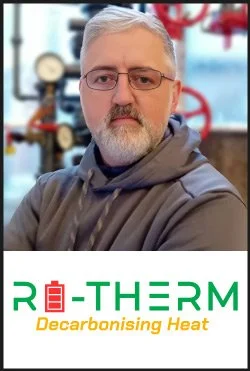
Paul Keane
CEO & Founder
Re-Therm
-
Paul Keane is CEO & Founder of Re-Therm
Re-Therm is a clean energy technology company focused on decarbonising heat. Its system stores renewable and low-cost electricity as thermal energy, which can then be used on demand to replace fossil fuel-based heating in commercial and industrial settings. Through modular thermal energy storage systems, Re-Therm helps organisations reduce emissions, lower energy costs, and improve energy efficiency by shifting heat production to off-peak and surplus renewable energy periods.
Visit: https://re-therm.com
PART 1
REPLACEMENT OPTIONS FOR FOSSIL FUEL HEATING
Supported by case studies and real-world examples, this session helps participants move from understanding their heating requirements to confident technology selection. We will explore the suitability of key low-carbon solutions including heat pumps and biomass, while grounding each option in operational requirements, cost considerations, system compatibility, and long-term performance. The session explores hybrid transition strategies, recognising that many organisations will require phased approaches rather than full immediate replacement. The session concludes by linking heating system choices to energy and smart building management systems and the cost savings this approach can contribute.
PART 2
UNLOCKING THE VALUE OF HEAT STORAGE
This presentation highlights the growing role of thermal energy storage systems as a cost-effective solution for reducing building and process heating costs. By storing low-cost or renewable electricity as heat and releasing it on demand, these systems enable businesses to shift energy consumption away from peak pricing periods, improve energy resilience, and reduce dependence on fossil fuels. Particularly valuable for industrial process heat applications, modular thermal storage can be integrated with on-site renewables, battery storage, and energy management systems to maximise energy efficiency, lower carbon emissions, and provide a flexible pathway to electrifying heat-intensive operations.

DEMAND FLEXIBILITY
WEBINAR 3
How Irish Businesses Can Reduce Energy Costs with Smarter Energy Management. Followed By A Guide To Solar PV and Battery Storage Options
10:30am - 12:30pm, Oct. 29
PURPOSE
This webinar is intended to enable attendees implement practical strategies to reduce exposure to high electricity prices.
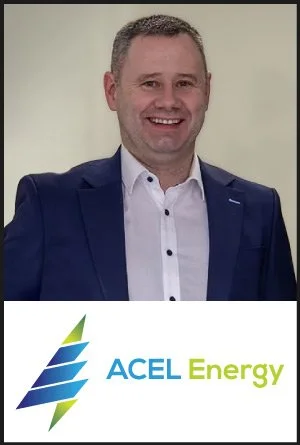
Barry Sherry
CEO & Co-Founder
ACEL Energy
A PRACTICAL GUIDE TO COST SAVINGS THROUGH BETTER ENERGY MANAGEMENT
Rising energy costs and increasing price volatility are creating new challenges for businesses, but they also present new opportunities. This webinar will show how organisations can take greater control of their energy use and costs through demand flexibility, smart energy management, solar PV and battery storage. Attendees will learn practical strategies to reduce exposure to high electricity prices, benefit from Time of Use and Dynamic Tariffs, improve energy security, and enhance cost predictability.
Using real-world case studies, the session will also explore where solar and battery storage can deliver the greatest value and how these technologies can work together to support a more resilient and competitive business.
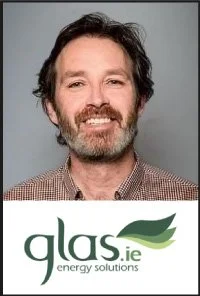
Colm Byrne
Energy Entrepreneur and
Director at Glas Energy

FINANCE FOCUS
WEBINAR 4
Find revenue opportunities and funding support for your energy transition projects
10:30am - 12:30pm, Nov. 12
PURPOSE
This webinar will provide information and case studies to help you identify how generation, storage, flexibility, and EV charging infrastructure can become revenue-generating or cost-offsetting assets. In the second part Fergus go into detail on available SEAI grants followed by a presentation on green finance opportunities.
PART 1
EVALUATE REVENUE OPPORTUNITIES
This session focuses on “Monetising Smart Energy Assets”, helping participants move beyond energy cost reduction to actively identifying new revenue streams from generation, storage, flexibility, and EV infrastructure. The workshop explores how businesses can transition from energy consumers to prosumers by leveraging underutilised capacity, participating in flexibility markets, and optimising assets such as batteries and on-site renewables for financial return rather than just savings. It also highlights opportunities in group energy models and EV charging as a commercial service, showing how energy systems can become revenue-generating assets when managed intelligently within a smart, flexible energy framework.
Colm Byrne
Energy Entrepreneur and
Director at Glas Energy
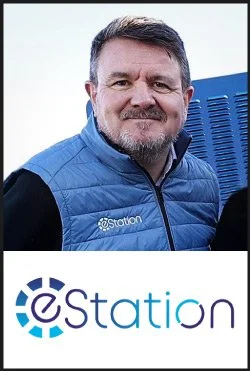
Eamonn McSweeney
Managing Director
E-Station
PART 2
FUNDING YOUR BUSINESS ENERGY TRANSITION
This session provides a practical overview of grant funding and commercial pathways available to support clean energy investment. Participants will explore how SEAI and other grants can reduce upfront capital costs and improve project viability, alongside the growing role of green finance from banks and institutional lenders, including ESG-linked and performance-based lending models. The session also breaks down alternative delivery approaches such as CapEx, OpEx, leasing, and energy-as-a-service models, helping businesses understand how to structure projects in a way that balances cost, control, and flexibility. Participants will have a clearer view of which financial pathways best suit their energy transition plans.
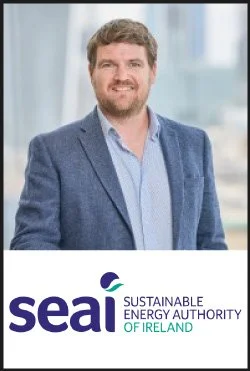
Fergus Sharkey
Head of Business Supports at Sustainable Energy Authority of Ireland (SEAI)
Reserve Your Place!