

Across the City: The Events That Defined London Climate Action Week
If Part 1 of this review explored the themes that shaped London Climate Action Week 2026, Part 2 takes us across the city itself — from Guildhall to university lecture theatres, community gardens to Buckingham Palace. Read Part 1»
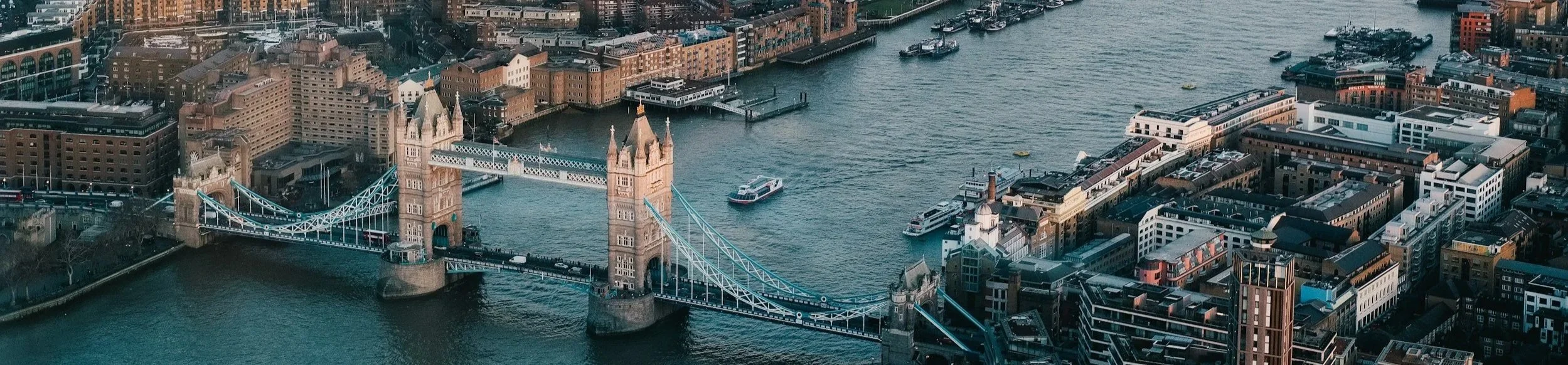
One of the defining characteristics of LCAW is that it is not confined to a single venue. Unlike many international conferences, London Climate Action Week transforms an entire city into a platform for climate action. Historic buildings, financial institutions, universities, museums, embassies, innovation hubs and community spaces all became venues for dialogue, collaboration and practical action.
"From the Guildhall in the City of London to university lecture theatres, innovation campuses and local community projects, a common message emerged throughout the week: the climate transition has entered an era of delivery."
— LCAW 2026
The Climate Innovation Forum
Where Climate Leadership Meets Business Action
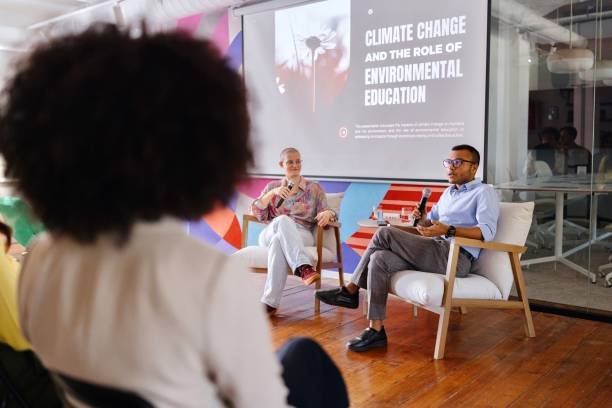
The official opening of London Climate Action Week took place at the Climate Innovation Forum in the historic Guildhall. Widely regarded as the flagship event of LCAW, the Forum brought together more than 2,500 senior leaders from business, finance, government and civil society to explore how organisations can accelerate implementation between annual UN climate conferences.
Described by UK Energy Secretary Ed Miliband as the "Super Bowl" of London Climate Action Week, the event has become a key meeting point for organisations seeking to move beyond commitments towards measurable action.
This year's programme centred on four priorities
Scaling clean energy deployment
Mobilising climate finance
Building resilience to physical climate risks
Harnessing digital technologies, including artificial intelligence, to accelerate the transition
Rather than asking whether climate action makes business sense, speakers explored how organisations can remove implementation barriers, finance innovation and strengthen collaboration across sectors. The Forum also hosted more than 30 specialist roundtables, allowing delegates to move from keynote speeches into practical discussions on supply chains, industrial decarbonisation, sustainable infrastructure, nature finance and climate technologies.
The tone was noticeably pragmatic. Implementation — not ambition — had become the defining objective.
The UN's Message
The Window Is Narrowing
The Climate Innovation Forum also provided the stage for one of the week's defining moments: António Guterres' keynote address. His observation that "London isn't just calling — it's cooking" immediately connected the discussions inside Guildhall with the record temperatures outside.
Yet beyond the memorable headline, his speech delivered a more significant message. The Secretary-General argued that the world already possesses many of the technologies required to reduce emissions rapidly. The challenge now lies in accelerating deployment, increasing investment and ensuring that adaptation keeps pace with rising climate risks.
"The launch of the AI Environmental Transparency Initiative and the Global Call to Action on Methane demonstrated that the United Nations is increasingly focusing not only on long-term targets, but also on practical interventions capable of delivering measurable emissions reductions before the end of this decade."
— LCAW 2026
Finance Moves Beyond Net Zero
If Guildhall became the political and business heart of London Climate Action Week, the City of London itself became the centre of an equally important conversation: financing the transition. Banks, insurers, asset managers and development finance institutions hosted a series of events examining how capital can accelerate climate action while strengthening resilience.
A notable shift was evident. Only a few years ago, sustainable finance discussions focused primarily on financing decarbonisation. This year, adaptation finance occupied an equal position. Sessions explored how investment can support resilient infrastructure, climate-resilient agriculture, water security and urban adaptation, particularly in countries already experiencing severe climate impacts.
Delegates also examined the growing role of blended finance, transition finance and private capital in closing what many described as one of the largest investment gaps facing the global economy.
"Climate resilience is becoming an investment issue as much as an environmental one."
— LCAW Finance Sessions, 2026
On carbon markets
During the week, the Coalition to Grow Carbon Markets announced further work on practical policy frameworks designed to help governments provide greater certainty around the use of high-integrity carbon credits. Speakers argued that consistent policy signals will be essential if voluntary carbon markets are to mobilise investment at the scale required.
Opportunity Summit: Climate Competitiveness for Europe
Another of the week's flagship gatherings was the Opportunity Summit, organised by Climate Group in partnership with the Mayor of London. The Summit focused on one of the defining questions facing Europe: how can climate action strengthen economic competitiveness?
Rather than presenting sustainability as a compliance obligation, discussions explored how investment in clean energy, electrification, innovation and industrial transformation can improve productivity, create jobs and enhance long-term resilience.
Bloomberg, one of the Summit's principal partners, emphasised the role of better climate and transition data in helping investors identify both risks and commercial opportunities. New analytical tools launched during the week demonstrated how climate disclosure is evolving from a reporting exercise into a strategic decision-making capability.
"Climate leadership is increasingly being viewed as an economic strategy — not simply an environmental responsibility."
— Opportunity Summit, LCAW 2026
Cities at the Frontline
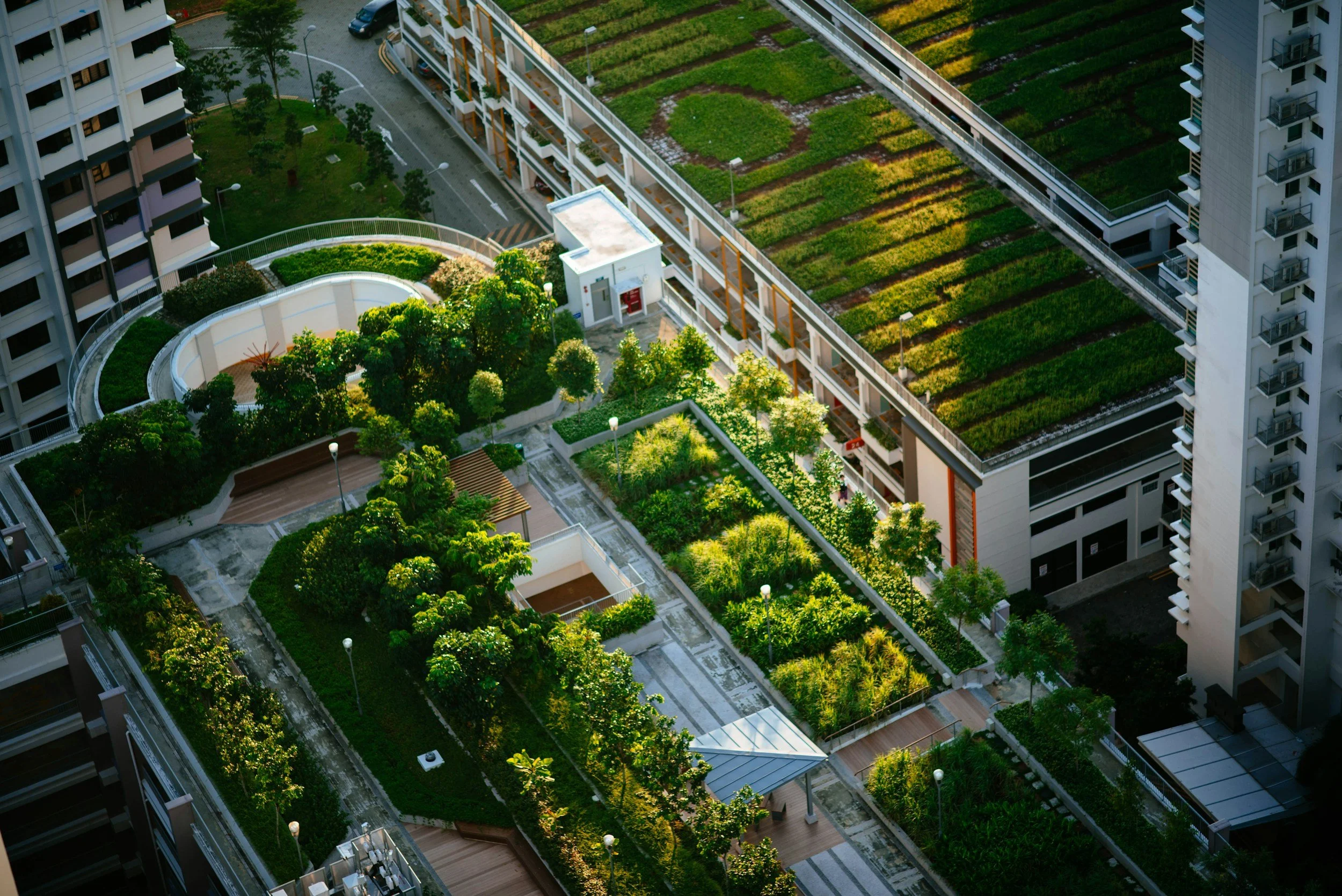
No discussion of London Climate Action Week would be complete without recognising the growing leadership role of cities. Throughout the week, mayors, local authorities and urban planners gathered to share practical approaches to reducing emissions while preparing communities for increasingly frequent climate impacts.
The conversations were made all the more relevant by the conditions outside. London itself had become an example of how vulnerable even highly developed cities remain to prolonged periods of extreme heat.
Against this backdrop, Mayor Sadiq Khan introduced an updated Heat Adaptation Plan designed to make the capital more resilient. Measures include expanding urban tree canopy, increasing shaded public spaces, improving cooling infrastructure and encouraging climate-responsive building design.
The shift in urban planning, Cities are increasingly recognising that they must prepare not only for the climate they have experienced historically, but also for the climate they are likely to experience over coming decades. Adaptation is becoming an essential component of urban planning — not an optional addition.
Climate and Health: An Emerging Priority
Another important strand of London Climate Action Week centred on the relationship between climate change and public health. Health leaders, researchers and policymakers examined how rising temperatures, changing disease patterns, deteriorating air quality and climate-related disruptions are placing increasing pressure on healthcare systems worldwide.
The heatwave itself reinforced many of these concerns. Hospitals across southern England prepared for higher patient numbers, while public health agencies issued guidance aimed at protecting older people, children and vulnerable communities.
"Climate resilience extends well beyond infrastructure. It also requires resilient healthcare systems capable of responding to increasingly frequent climate-related emergencies."
— LCAW 2026
Methane Takes Centre Stage
One of the week's highest-profile diplomatic engagements took place at Buckingham Palace, where His Majesty King Charles III convened international leaders to discuss action on methane and other short-lived climate pollutants. The gathering brought together António Guterres, Prime Minister Mia Mottley of Barbados and senior representatives from governments, philanthropy and industry.
Although less visible than carbon dioxide in public debate, methane has become one of the fastest opportunities to slow global warming. Reducing leaks from oil and gas infrastructure, improving waste management and supporting lower-emission agricultural practices were repeatedly highlighted as practical actions capable of delivering significant climate benefits within this decade.
🔁 The recurring message on methane, Many of the technologies required to reduce methane emissions already exist. The challenge is deploying them rapidly and consistently.
Universities Become Climate Laboratories
Beyond the major conferences, universities across London played a significant role in shaping the week's agenda. Institutions including the London School of Economics, Imperial College London, University College London and King's College London hosted discussions spanning climate science, engineering, sustainable finance, behavioural change, climate law and public policy.
Many events deliberately brought together academics with businesses, investors and policymakers, reflecting the growing recognition that climate innovation depends on collaboration rather than isolated research.
"Ironically, one of these university events — the panel on adapting to extreme heat — became a global news story after it was cancelled because temperatures inside the historic building became unsafe. It was an extraordinary reminder that climate impacts are no longer confined to future projections. They are already reshaping how institutions operate today."
— LCAW 2026
A City-Wide Movement
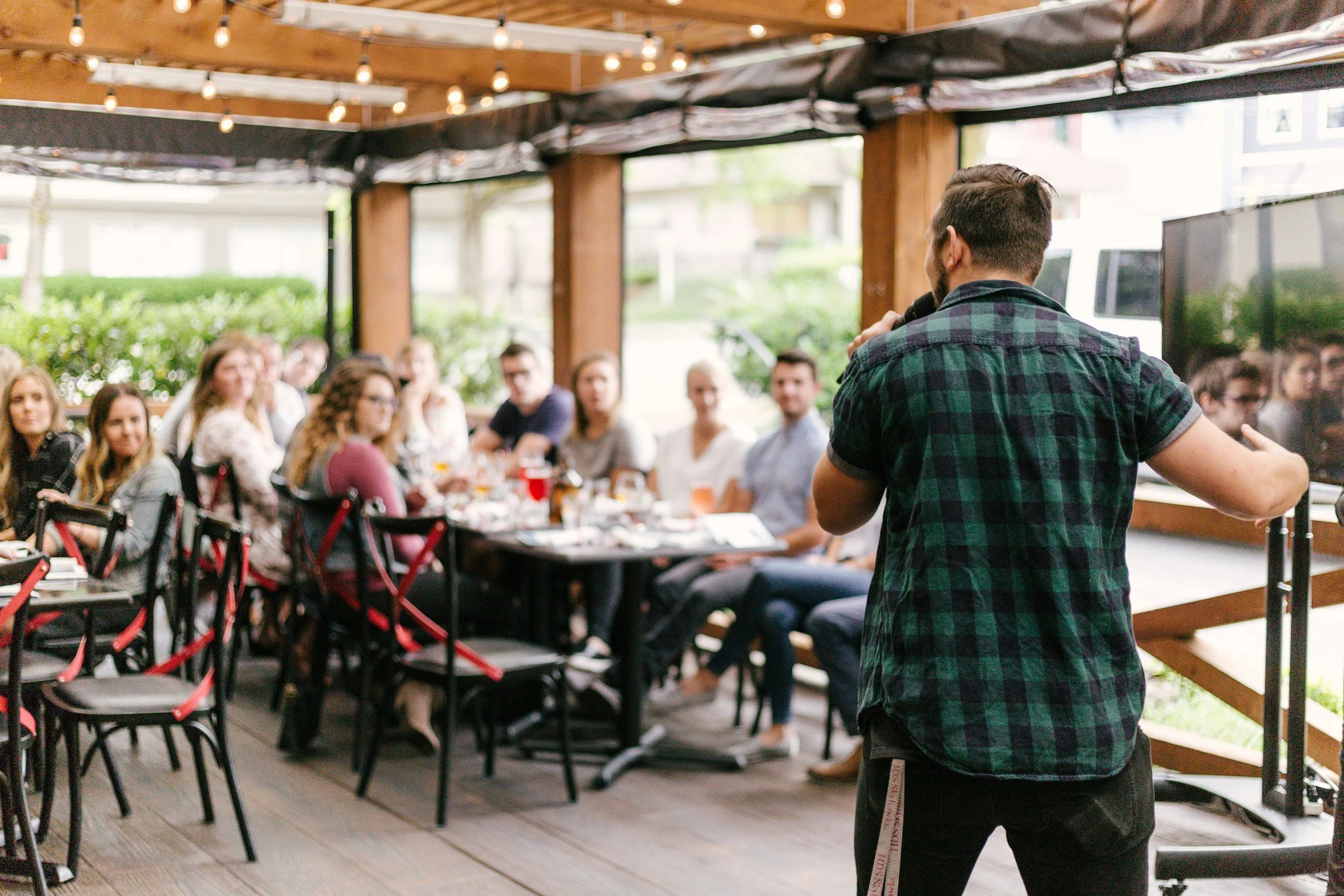
While the headline conferences attracted international attention, London Climate Action Week has always been about more than ministerial speeches and executive roundtables. Across all 32 London boroughs, schools, charities, neighbourhood organisations, artists, engineers, entrepreneurs and volunteers hosted hundreds of events focused on practical climate action.
Community gardens, repair cafés, clean energy workshops, youth forums, biodiversity projects, cycling initiatives and citizen science programmes demonstrated that the transition depends as much on local participation as international policy.
"It connects global ambition with local action. It demonstrates that climate leadership exists not only in boardrooms and government departments, but also within communities working to make neighbourhoods healthier, greener and more resilient."
— LCAW 2026
Looking Ahead
By the close of the week, one conclusion had become unmistakable. London Climate Action Week is no longer simply a conference. It has become a city-wide platform where policy, finance, technology, science and community action intersect.
The flagship events showcased practical solutions, new partnerships and ambitious announcements. The thousands of smaller events demonstrated that lasting change depends on engagement at every level of society. Together, they illustrated a climate movement that is becoming broader, more collaborative and increasingly focused on implementation.
Coming in Part 3: From Climate Ambition to Climate Resilience—an exploration of the week's biggest themes, including adaptation, nature, artificial intelligence, infrastructure, supply chains, business leadership and the key lessons organisations should take forward on the road to COP31.