October 14th 9:20am - 4:00pm
Guinness Enterprise Centre GEC,
Taylor's Lane, The Liberties, Dublin, DO8 ET2R

Conference Theme
Navigating The Next Decade of Energy Transformation
Opportunities And Threats To Business Growth, Energy Transition, and Competitiveness
Leave With Greater Clarity
Attending this event provides greater clarity on the shifting Irish energy landscape over the next ten years, and will give you an understanding of the risks and opportunities it’s creating.
Rather than a theoretical discussion, the conference focuses on how the energy transition is actually being implemented in practice and what it means for organisations that use significant energy across their buildings and operations.
It is intended to provide finance, operations, and policy leaders with a better understanding of how the rapid transformation of the energy system will directly impact costs, operations, investment decisions, and competitiveness.
Featuring Industry Specialists, Business Leaders, And Leading Names In Climate Action
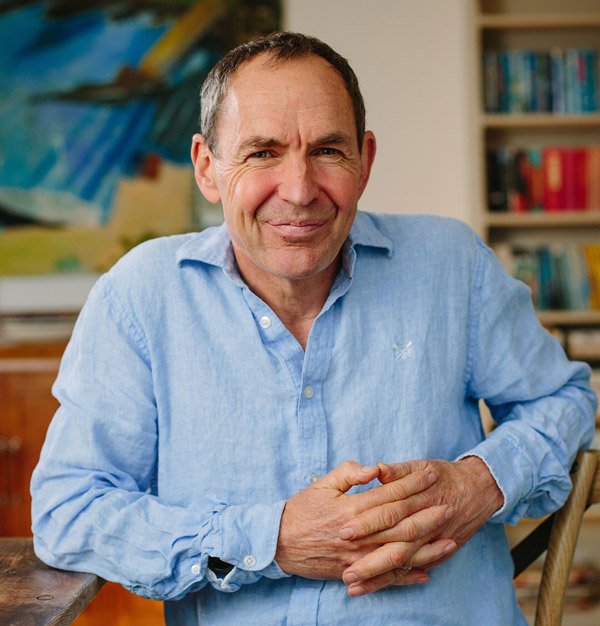
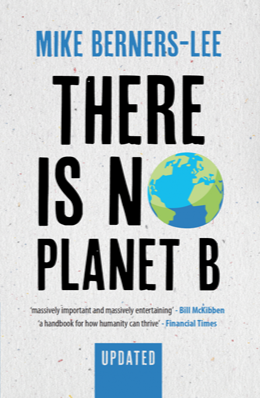
Mike Berners-Lee - keynote speaker
As a pioneering researcher and author of There Is No Planet B and How Bad Are Bananas?, Mike brings a rare ability to connect global climate science with the practical decisions businesses must make today. This is an unmissable opportunity to hear from one of the world’s most influential thinkers shaping how we understand and respond to the climate emergency and the energy transition under way.
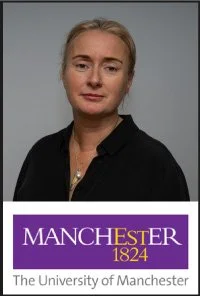
Prof Aoife Foley
Chair in Net Zero Infrastructure
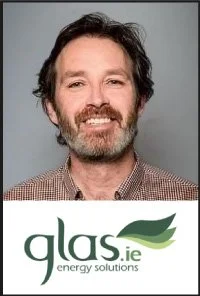
Colm Byrne
Energy Entrepreneur, and Director of
Glas Energy
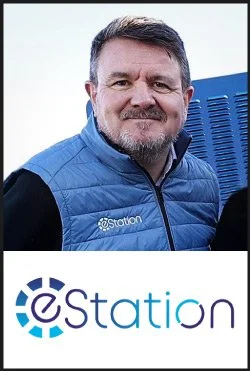
Eamonn McSweeney
Managing Director
E-Station
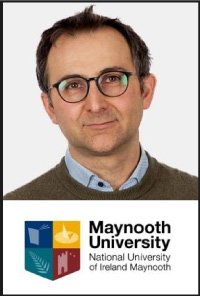
Prof Fabiano Pallonetto
Prof in Management Information Systems
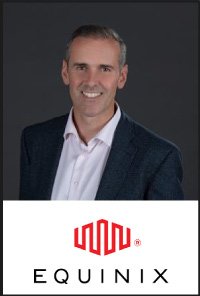
Peter Lantry
Managing Director, Equinix
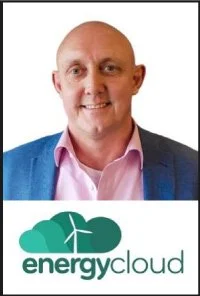
Alan Wyley
CEO, EnergyCloud Ireland
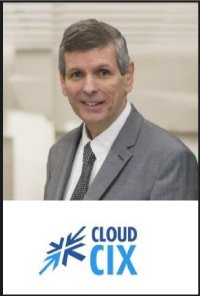
Jerry Sweeney
Founder & Managing Director, Cloud CIX
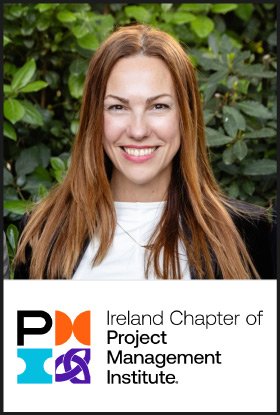
Lucila Dotto
Global Head of Sustainability at Project Management Institute
Why Attend This Conference?
Understand the risks before they become threats
From rising energy demand and grid constraints to regulatory changes, carbon obligations and geopolitical uncertainty, the next decade presents challenges that could significantly affect business growth. This event will examine the emerging threats created by Ireland’s renewable energy roll-out, and provide practical insights on how to respond.
Identify new opportunities for growth
The energy transition is rapidly creating new opportunities in smart managed renewable energy, distributed energy systems, energy storage, and more flexible sustainable energy business models.
Learn from industry experts and business leaders
Hear directly from energy experts and business executives who have been tracking Ireland's energy transformation. Hear about their real-world experiences (the good and the bad) transitioning their businesses to cleaner smarter energy systems.
Develop a roadmap for the future
Attendees will leave with a clearer understanding of how the next ten years of energy transformation will influence their business strategy, investment priorities and long-term resilience.
Agenda
8:45am - 9:20am
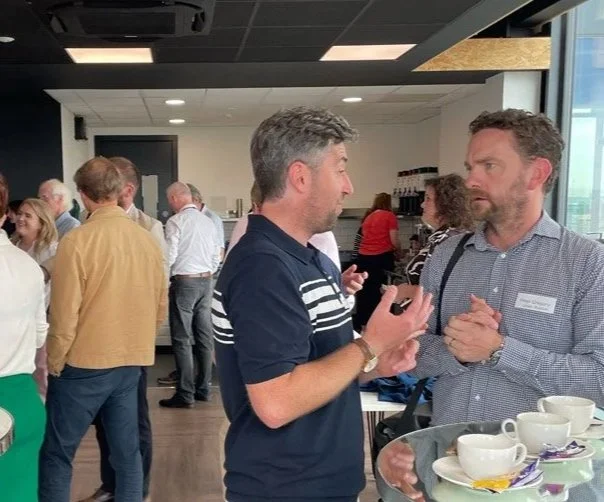
Registration
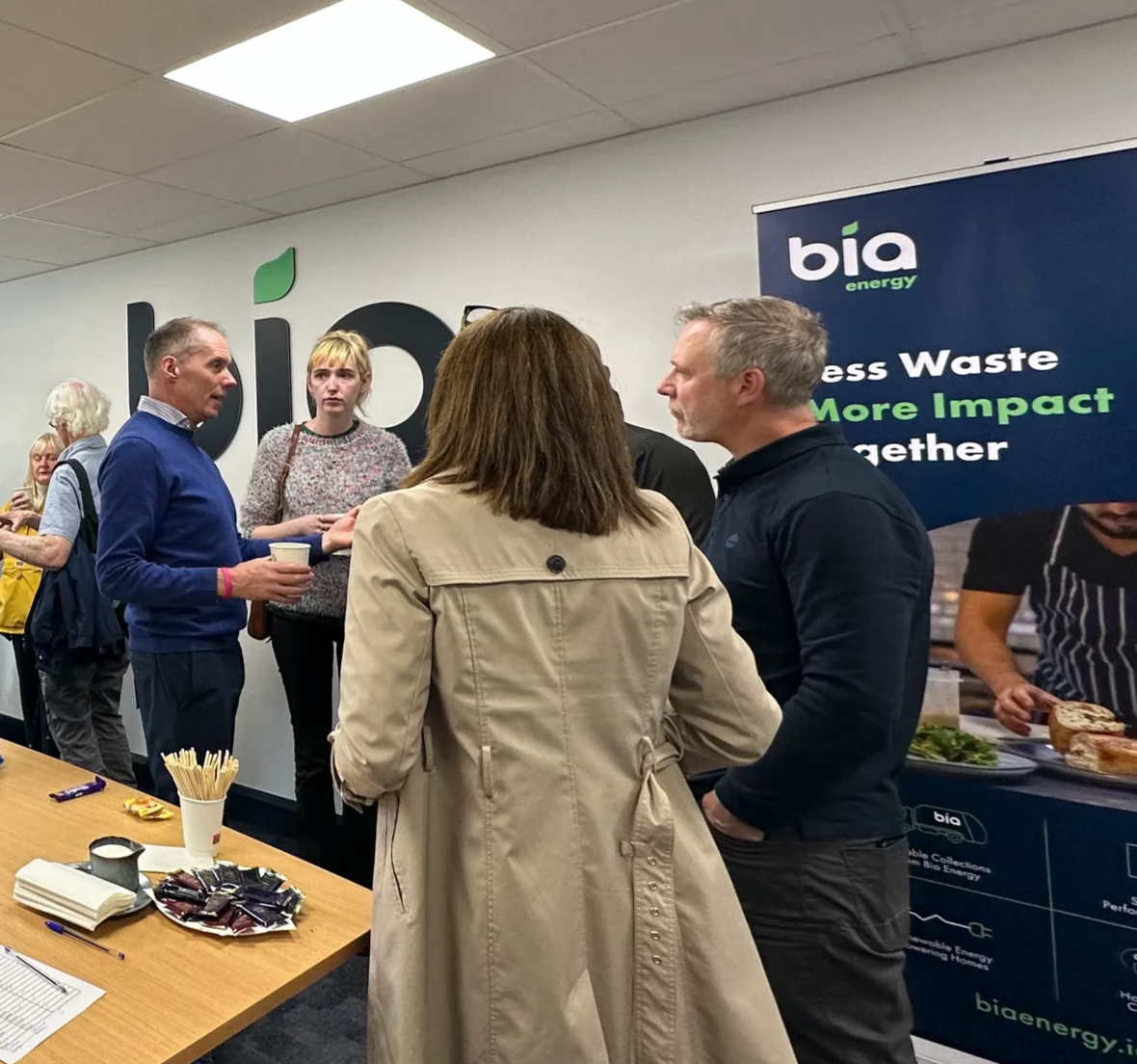
Take the opportunity to get tea, coffee, snacks and network with fellow attendees. Visit our exhibitors to get expert advice and attend educational demos. Set up one to one consultations on your requirements.
9:20pm - 9:40am
Fergus Sharkey
Head of Business Supports at Sustainable Energy Authority of Ireland (SEAI)
Opening Address
Fergus Sharkey will open the Smarter Energy Challenge conference and speak about opportunities and challenges businesses face as they transition to cleaner, smarter, and more resilient energy solutions.
9:40am - 10:10am
Mike Berners-Lee
World renowned consultant, author, climate systems thinker, and sustainability strategist
Keynote Address
Hear from one of the world’s most influential thinkers shaping how we understand and respond to the climate emergency and the energy transition under way. Mike focuses on navigating the global "polycrisis", interconnected challenges spanning the climate and nature emergencies, biodiversity loss, and resource limits.
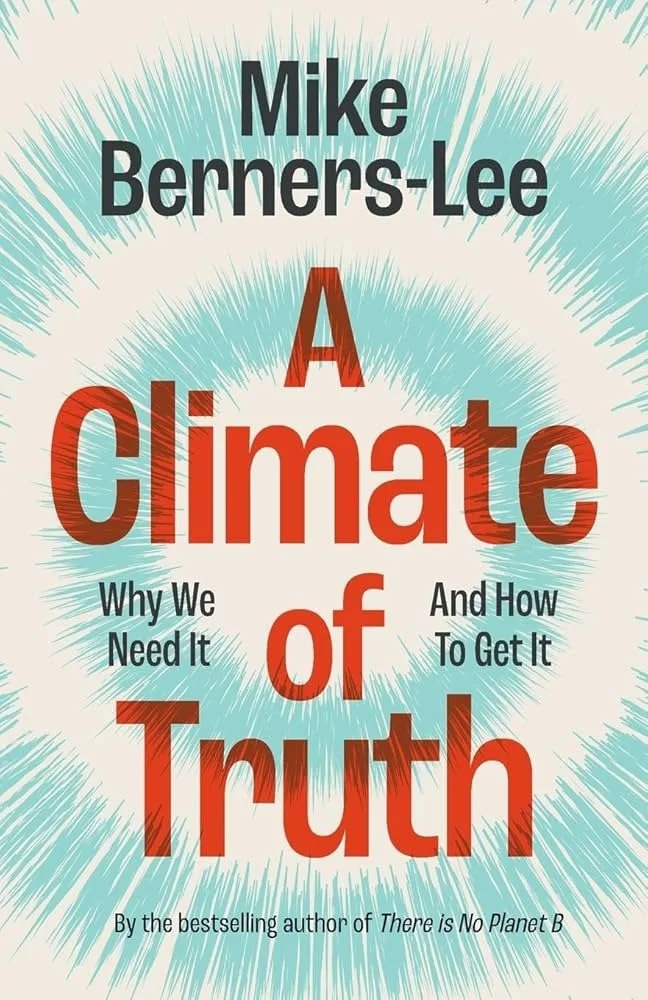
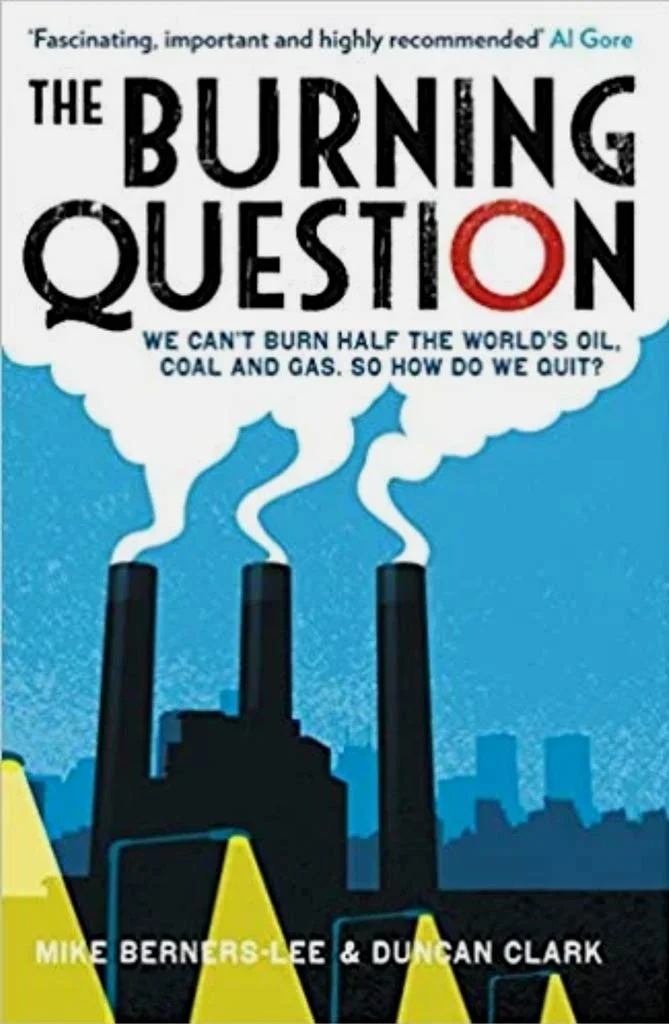
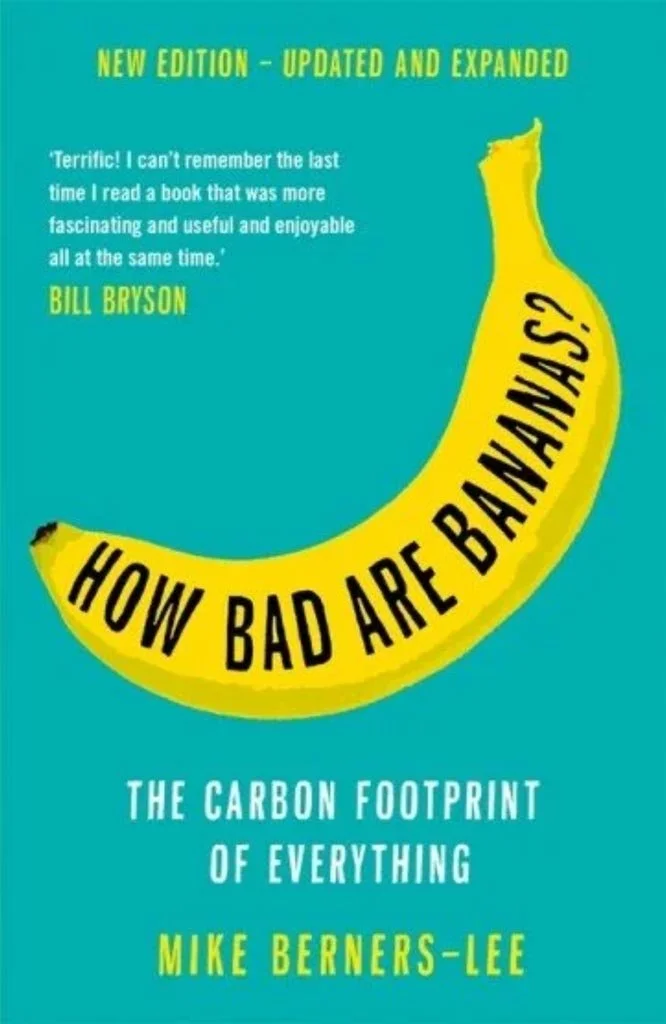
As a pioneering researcher and author of There Is No Planet B, How Bad Are Bananas?, The Burning Question, and A Climate Of Truth, Mike has boldly claimed that "the planet doesn't care how much renewable energy we generate, only how little fossil fuel we burn" and argues that humanity cannot solve the interconnected crises of climate change, biodiversity loss, and economic instability without radically dismantling systemic dishonesty in politics, business, and the media.
10:10am - 10:40am
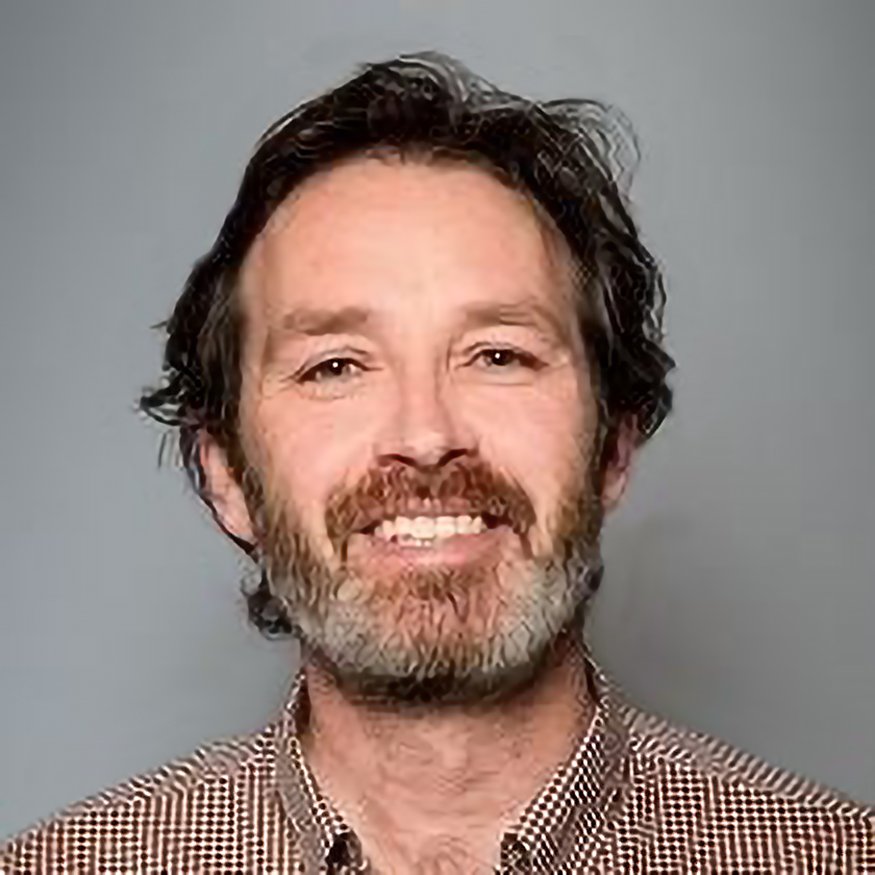
Colm Byrne
Energy Entrepreneur & Director at Glas Energy
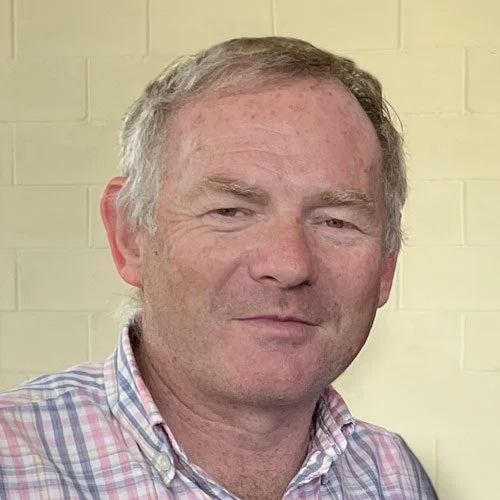
Martin O’Brien
Graiguenamanagh Energy Town (GET)
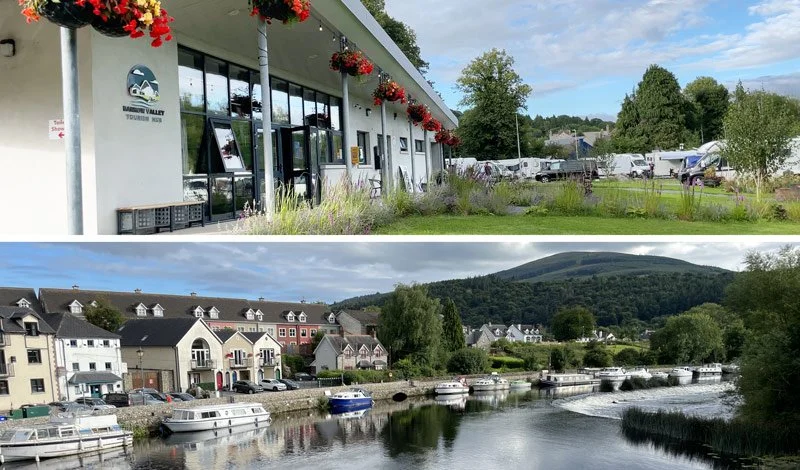
Graiguenamanagh Energy Town (GET): Achieving 100% energy self-sufficiency for the town by 2030
Colm and Martin will present a case study on the goals, challenges, and achievements of the Graiguenamanagh Energy Town (GET) project. This project has set a national example for other business and community group energy schemes.
The Graiguenamanagh Energy Town (GET) project has been underway since 2020 making Graiguenamanagh the first community in Ireland that will generate, share and sell energy on a local level by using a Community Virtual Power Plant (CVPP). Combined with battery storage, GET has installed Solar PV systems on the roofs of Barrow Valley Tourism Hub and local homes at no cost to the owners. GET rent the roof space from the owners and then sell the generated energy back to the homeowner for the term of the contract. Any unused energy is sold back to the grid.
GET plans to install more Solar PV systems throughout the community, to both commercial and residential residents.
10:40am - 11:10am
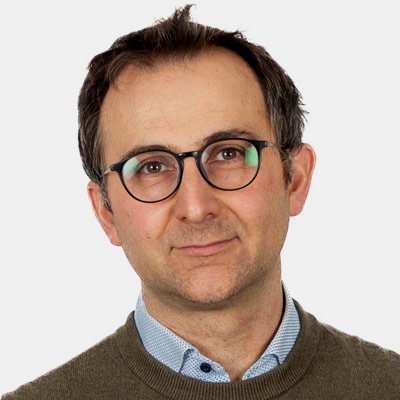
Prof. Fabiano Pallonetto
Professor in Management Information Systems, Maynooth University
Smart Energy Systems: The Digital Layer Transforming Energy Management (TBC)
Full details coming soon.
11:10am - 11:30am
Coffee Break
Take the opportunity to get tea, coffee, snacks and network with fellow attendees. Visit our exhibitors to get expert advice and attend educational demos. Set up one to one consultations on your requirements.
11:30am - 12:00pm
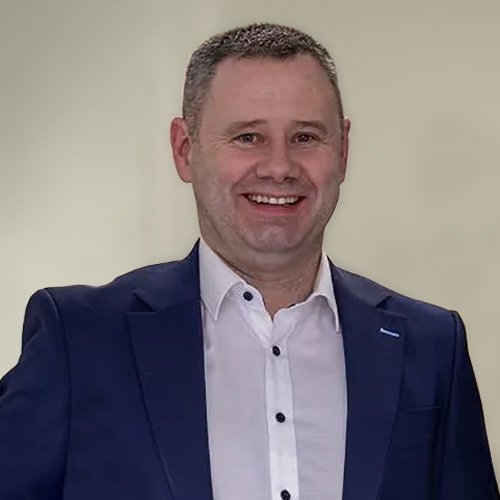
Barry Sherry
CEO & Co-Founder
ACEL Energy
The Battery Storage Revolution: Unlocking Demand Flexibility & Overcoming Maximum Import Capacity (MIC) Restrictions
As commercial scale battery storage becomes increasingly affordable, Barry explores how battery storage can unlock demand flexibility and grid supply restrictions by shifting consumption away from peak periods responding to price signals, integrating onsite renewable generation, and providing extra energy capacity to overcome grid limits. Featuring a real-world case study, attendees will gain insights into battery storage options, smart energy integration, energy arbitrage, peak demand management, demand response participation, and selecting the right battery capacity for your operations.
12:00pm - 12:30pm
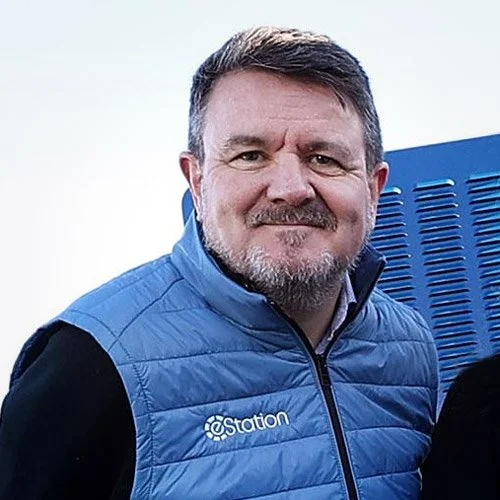
Eamonn McSweeney
Managing Director
E-Station
EV Charging: Their Practical Benefits In Your Energy Mix
Featuring real-world case studies, Eamonn explores how EV charging can deliver significant value within a company’s energy strategy. Integrated with an Energy Management System (EMS), battery storage, and smart energy procurement, EV charging has the potential to optimise energy use, reduce costs, and maximise the value of on-site solar generation, especially when grid export is constrained. In addition, charging facilities can attract customers to hotels and sports venues while supporting employee recruitment, retention, and sustainability goals.
12:30pm - 1:00pm
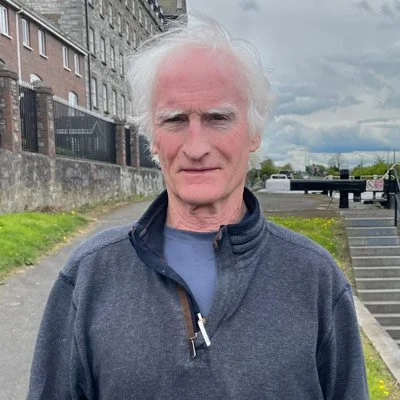
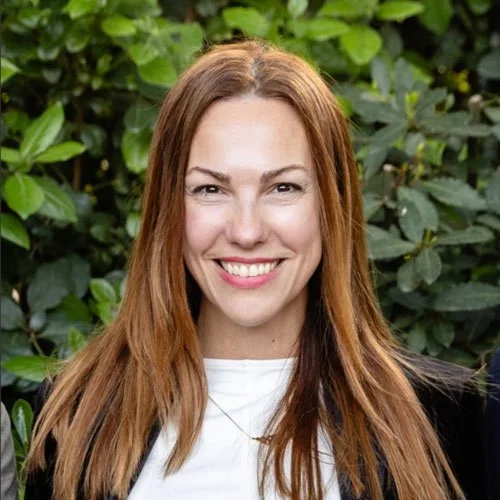
Mike Berners-Lee
World renowned consultant, author, climate systems thinker, and sustainability strategist
Duncan Stewart
Architect, TV Producer, and Renowned Environmental Champion
Lucila Dotto
Global Head of Sustainability at the Project Management Institute.
Panel Discussion
The Climate Has Changed: Can Businesses Change Fast Enough?
Climate change is no longer a future risk. Increasing extreme weather and the economic and geopolitical consequences are no longer a distant threat. It's here, and now businesses have to face up to the challenges. As pressure mounts from government policies, and demands from customers and investors, businesses face a critical question; how fast should they intensify their climate action efforts or risk being left behind?
This 30-minute panel discussion will examine the business and moral case for accelerated climate action and explores what pragmatic climate action leadership looks like.
1:00pm - 2:00pm
Lunch Break
Take the opportunity to get food and refreshments and network with fellow attendees. Visit our exhibitors to get expert advice and attend educational demos. Set up one to one consultations on your requirements.
2:00pm - 2:20pm
EnergyCloud - Turning “Discarded” Energy Into A Force For Good
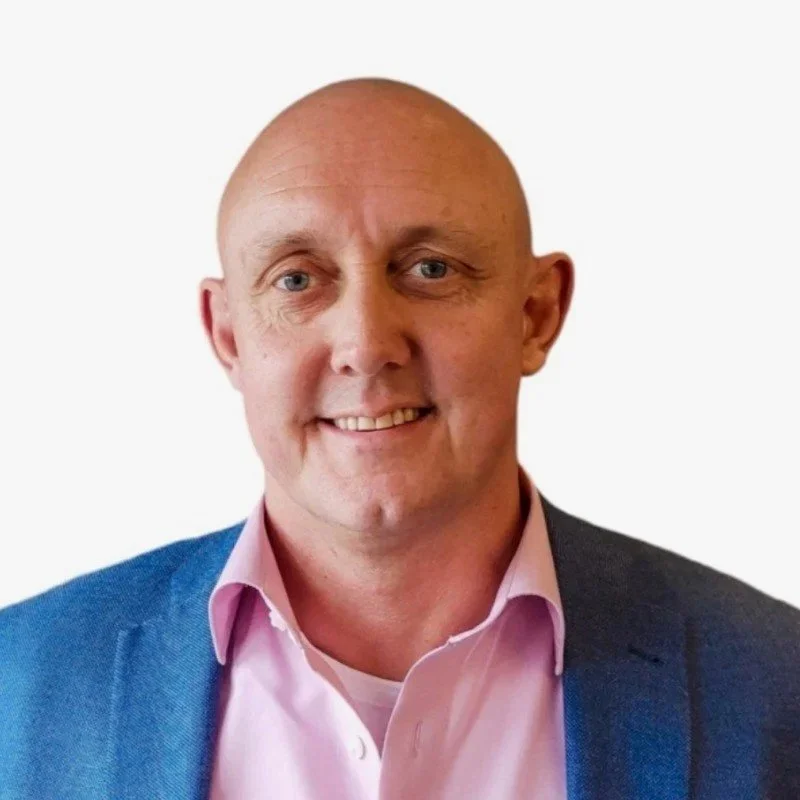
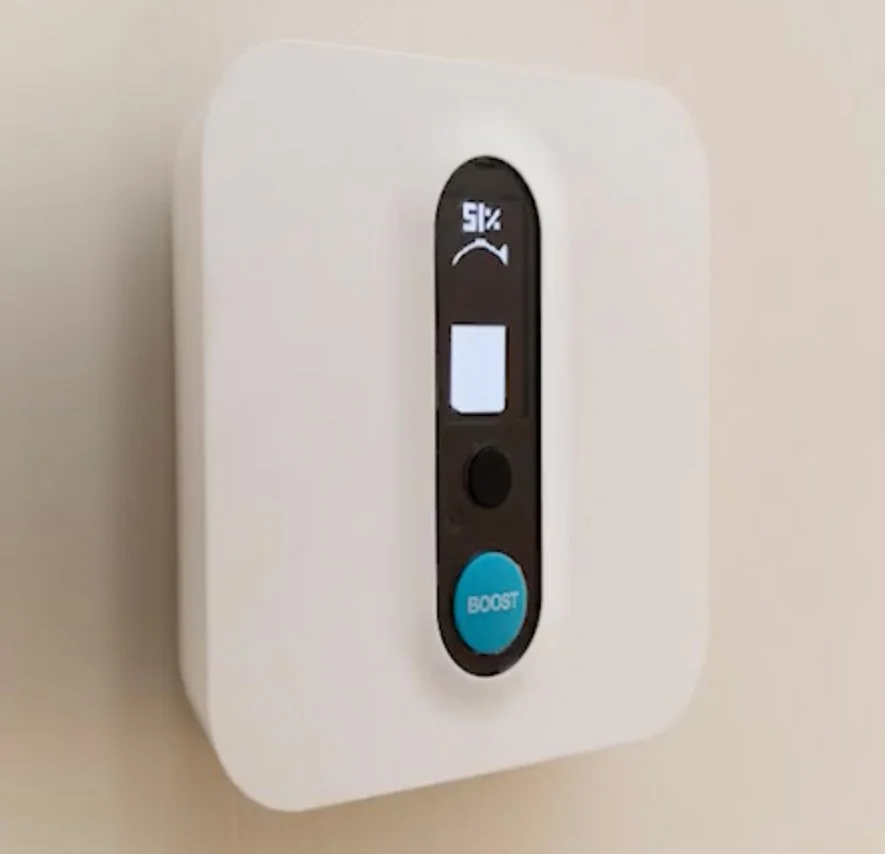
Recent spikes in gas and electricity prices has once again highlighted the ongoing problem of fuel poverty. Alan Wyley tells us about the not‑for‑profit social enterprise EnergyCloud which redirects surplus renewable electricity (mainly curtailed wind energy) into homes experiencing energy poverty. Through partnerships with government, local authorities, approved housing bodies and energy partners, EnergyCloud delivers free, clean energy to homes across Ireland. Alan goes into detail about how EnergyCloud remotely switches on devices in recipient homes (e.g. water heaters) to absorb this surplus electricity that would otherwise be “discarded”.
Alan Wyley
Chief Executive Officer, EnergyCloud Ireland
2:20pm - 2:50pm
Fergus Sharkey
Head of Business Supports at Sustainable Energy Authority of Ireland (SEAI)
Financing the Transition: Making Clean Energy Projects Commercially Viable
Access to grants, capital, and innovative funding models will be critical to accelerating Ireland's energy transition. This presentation explores how grants, green finance, Power Purchase Agreements (PPAs), Energy Service Company (ESCO) models and tailored investment structures are helping businesses overcome upfront cost barriers and deploy low-carbon energy solutions at scale. Attendees will gain insights into the financing mechanisms that are unlocking renewable energy, energy efficiency, storage, and heat decarbonisation projects, enabling organisations to reduce risk, improve returns, and achieve their sustainability goals faster.
2:50pm - 3:20am
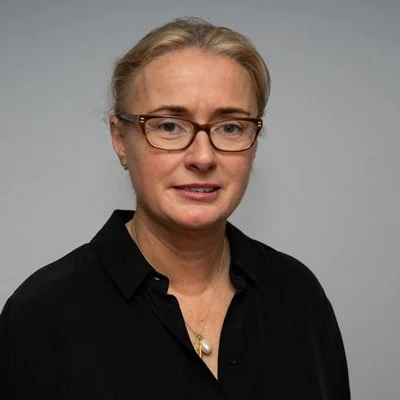
Prof. Aoife Foley
Chair in Net Zero Infrastructure, The University Of Manchester
The Road to 80% Renewables: Unlocking Flexibility in a High-Renewables System and its Value for Customers
As Ireland moves towards 80% renewable electricity, flexibility becomes the most valuable resource on the grid. This talk sets out three practical messages for business.
First, on a wind-heavy system, when you use power matters as much as how much, and flexibility is what keeps the system stable and costs down.
Second, businesses that can shift demand, store energy or respond to price signals can turn that flexibility into real savings and new value streams.
Third, the main barriers are planning, grid capacity and market signals rather than technology, and there are clear steps businesses can take now to be ready. Just enough grid context is included to make these points actionable.
3:20pm - 4:00pm
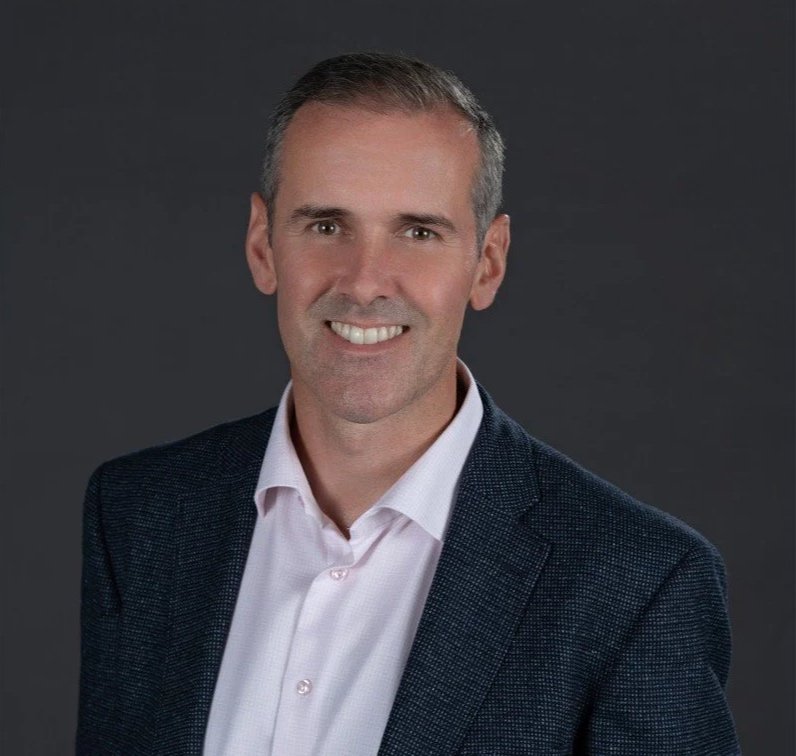
Peter Lantry
Managing Director, Equinix Ireland
Jerry Sweeney
Founder and Managing Director, CloudCIX
Prof. Aoife Foley
Chair in Net Zero Infrastructure, The University Of Manchester
The Big Debate - Is the Irish grid ready for the clean energy transition and how is it affecting the Irish business energy transition?
Join us for a lively panel discussion exploring the opportunities and challenges of Ireland's transition to a smarter, more flexible energy system.
With the rapid rise in electricity demand, increasing delays for companies getting grid connections and delays for wind and solar connecting to the grid, is this growing bottleneck throttling business growth and increasing or decreasing the value of on-site solar generation and battery storage?
Attendees will gain valuable insights, real-world perspectives, and the opportunity to hear differing views on the technologies and strategies shaping the future of energy in Ireland and how the next decade will shape business expansion, renewables uptake, and energy costs in Ireland.
4:00pm - 4:05pm
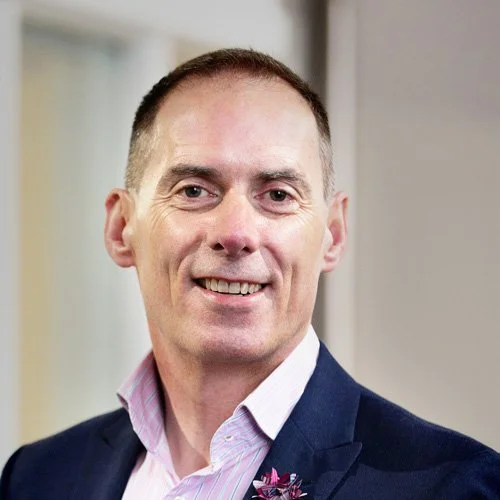
Michael O’Hara
Co-Founder
Techies Go Green
Closing Address
Michael will close the Smarter Energy Challenge conference and summarise the takeaway from the day and the opportunities for businesses as they transition to cleaner, smarter, and more resilient energy solutions.
Reserve Your Place!