We Need To Move From Dire Straits to Electrostates

.
Gerard Clutterbuck
Techies Go Green
The disruption in the Strait of Hormuz has triggered a fresh surge in global energy prices. Businesses and households grapple with rising costs and supply uncertainty. This latest crisis is doing more than squeezing margins, it is highlighting a deeper structural problem. The global fossil fuel based energy model that has underpinned economic growth for decades is increasingly unfit for purpose. With each cycle of energy supply shock and recovery, the urgency grows for nations to transition from passive petrostate customers to proactive, self sufficient, and climate friendly electrostates.
The Latest In A Long History Of Fossil Fuel Shocks
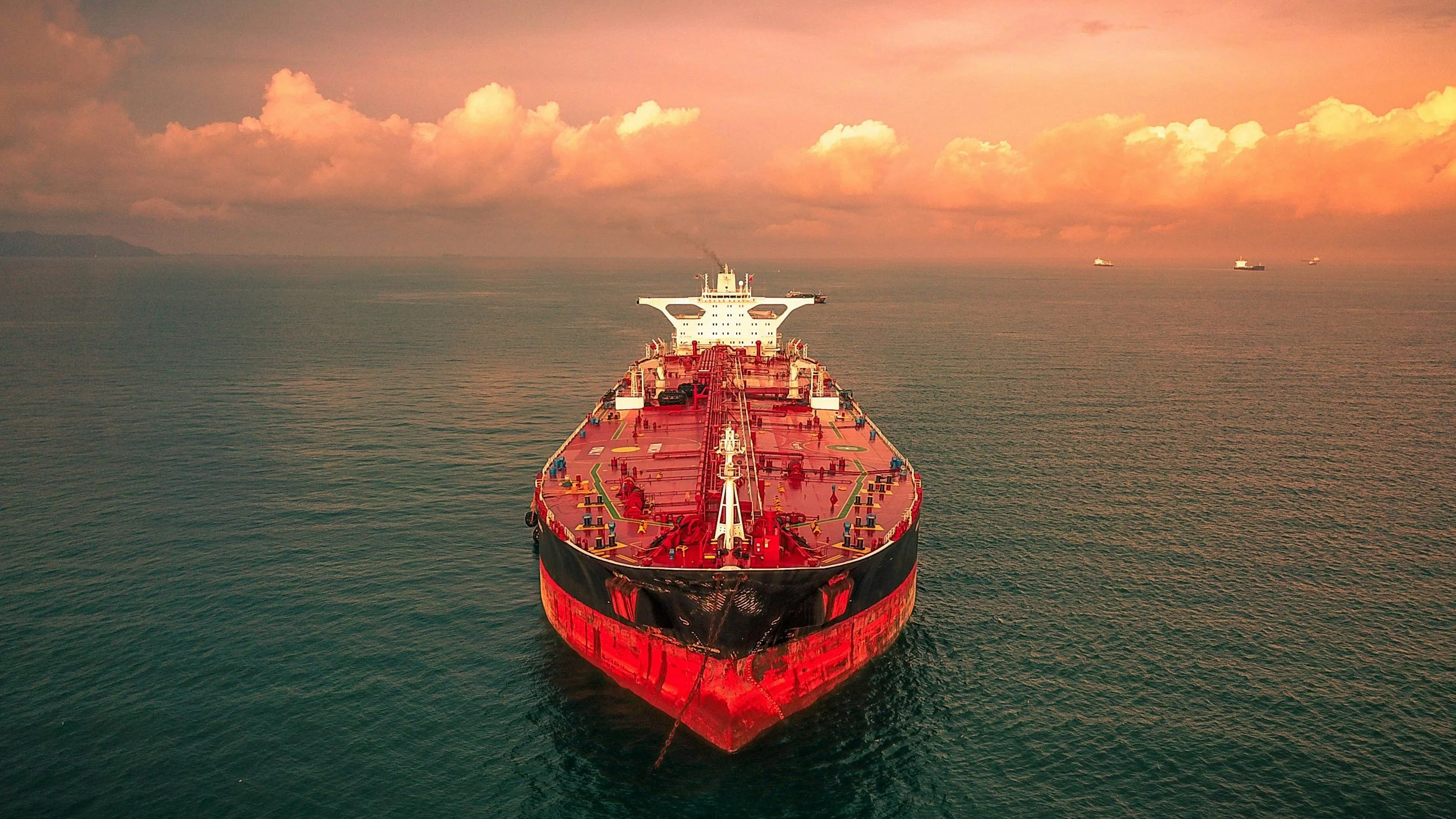
This latest energy price shock, triggered by disruption in the Strait of Hormuz, has once again exposed the fragility of the global energy system. This narrow maritime corridor, through which a significant share of the world’s oil and liquefied natural gas flows, has become a geopolitical fault line. As tensions escalate and tanker traffic is slowed or halted, global oil and gas prices surge sharply, sending immediate shockwaves through European economies. For the UK and Ireland, both heavily exposed to international energy markets, the effects have been swift and severe. Rising fuel costs result in renewed inflationary pressures and the increasing threat of economic slowdown.
Businesses are already feeling the strain. Energy-intensive industries face rapidly increasing input costs, while transport, logistics, and agriculture are grappling with both fuel price volatility and supply chain disruptions. Fertiliser shortages and rising commodity prices will feed through into food costs, amplifying pressure on retailers and consumers alike. Manufacturers are already confronting a combination of higher costs and uncertain supply. The result is familiar to anyone that remembers the crises of 1973, 1979, 1990, 2003-2008, and 2022, each resulting in a dangerous pattern of inflation and slowing economic growth that were difficult for policymakers to manage.
Trapped By Our Dependency
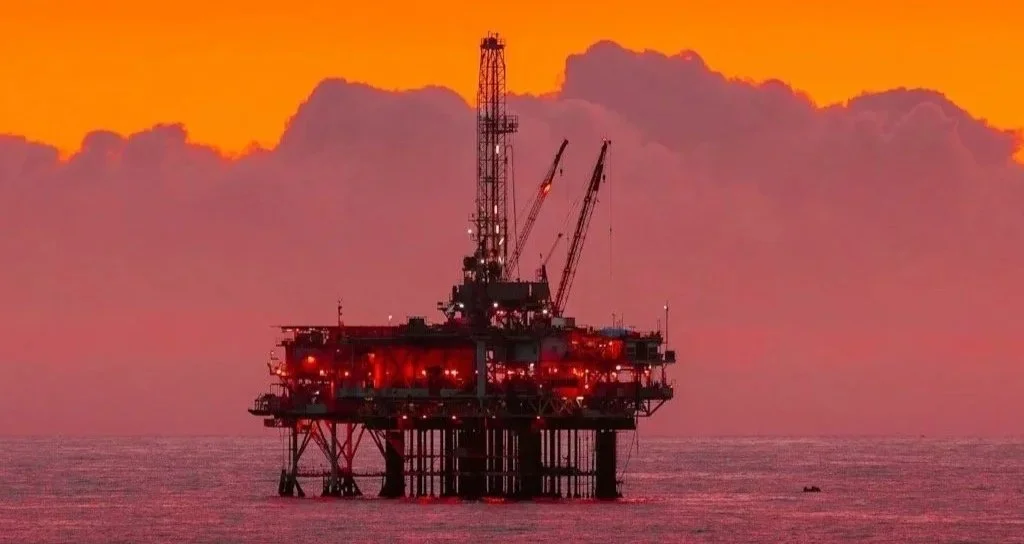
Yet while the immediate impacts are deeply challenging, the deeper significance of the crisis lies in what it reveals. The UK and Ireland remain fundamentally dependent on a global fossil fuel system defined by geographic concentration and geopolitical risk, despite having some limited fossil fuel resources of their own. Energy in this system is physically extracted and processed in one part of the world, transported through vulnerable chokepoints, and consumed elsewhere. Prices are set by global demand and speculation, even for locally extracted fossil fuels.
This structure leaves countries exposed to events far beyond their control. The Strait of Hormuz is not an anomaly, it is a reminder of how the petrostate energy supply model operates, and why it is increasingly unsustainable.
The Electrostate Alternative
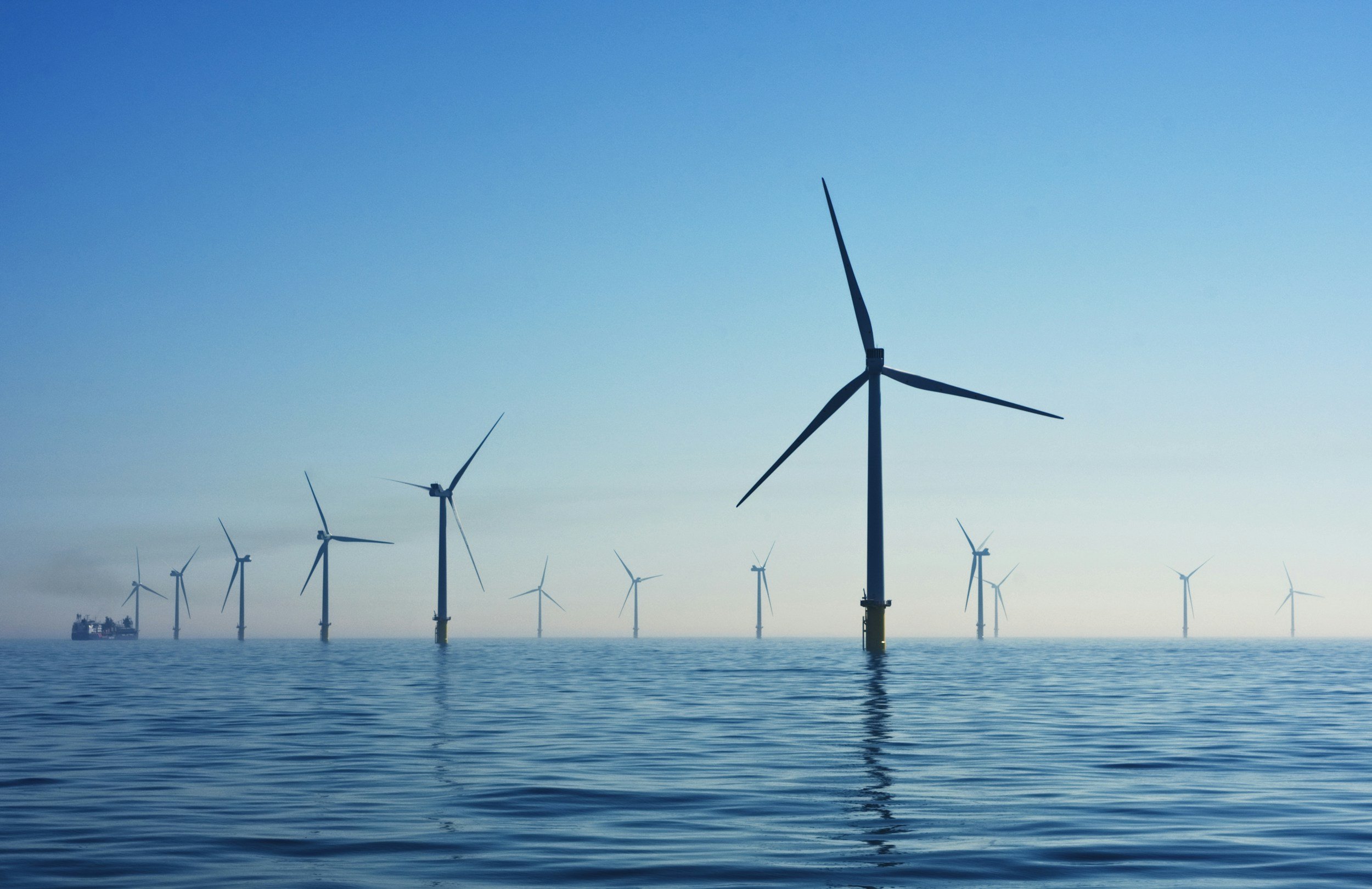
It is in this context that the idea of the electrostate becomes critical. The electrostate represents a fundamental reconfiguration of how energy is produced, distributed, and consumed. Instead of relying on imported hydrocarbons, an electrostate is built on domestically generated electricity as its energy source, primarily from renewables such as wind and solar. Power in this system does not come from controlling oil reserves or shipping routes, but from managing electricity networks, storage systems, and digital infrastructure. The focus shifts to building large‑scale electrified infrastructure, and transitioning industries and society towards electric power as the main energy source.

Promotion
The transition to this model has been underway for years, but it has been slow and underfunded. This must now be accelerated to break the cycle of repeated fossil fuel induced crises. In the twentieth century, energy systems were highly centralised, dominated by large fossil fuel assets and global supply chains. Over time, falling costs for renewables and growing concerns about climate change and energy security shifted investment toward wind, solar, and interconnection. Countries like Denmark and Germany led early efforts to scale renewable generation, while the UK quietly built one of the largest networks of offshore wind farms in the world. However, these developments have largely supplemented rather than replaced fossil fuels.
What is different now is the scale and speed of change required. The move toward an electrostate is not simply about adding more renewable generation, it is about electrifying entire economies. Private and commercial transport systems must fully shift from internal combustion engines to electric vehicles, heating must move away from gas boilers to heat pumps, and industrial processes must increasingly rely on electricity or, in some rare cases, green hydrogen. This transformation will create a dramatic increase in electricity demand, potentially doubling or even tripling over the coming decades. Meeting that demand will require a massive expansion of generating capacity, particularly in onshore wind, offshore wind, rooftop and large scale solar.
The Challenges Ahead
For wind energy, the UK and Ireland are uniquely well-positioned. Both possess some of the largest wind resources in Europe. The UK has already established itself as a global leader in offshore wind a total installed capacity of 16 GW, while Ireland has one of the highest shares of wind generation in its electricity mix in Europe. However, current capacity represents only the beginning.
To fully transition to an electrostate model, both countries will need to build far more generation capacity than is currently planned. Offshore wind needs to be dramatically scaled and solar deployment needs to be greatly increased from what is currently a relatively low base, especially in Ireland.
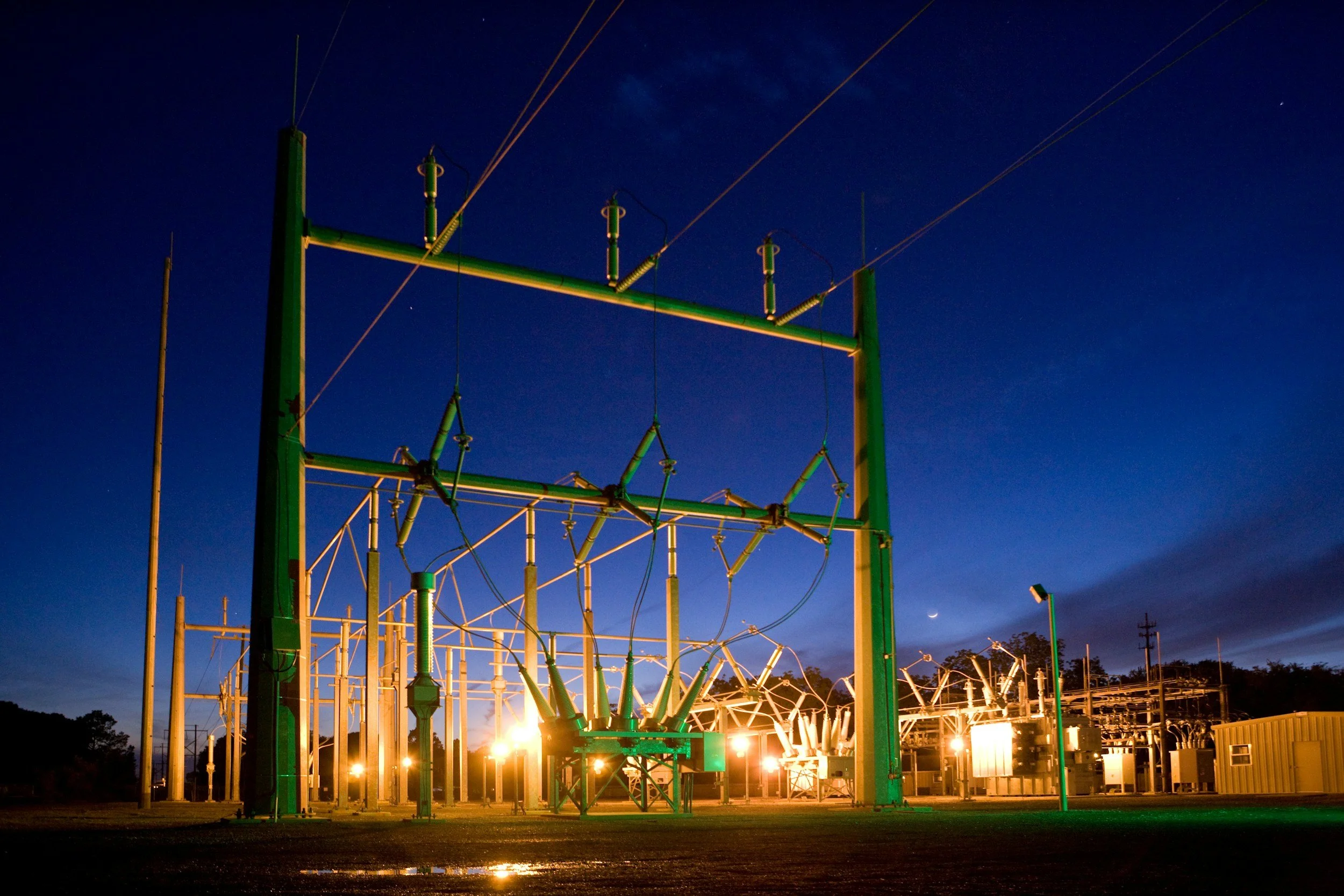
Generation is only part of the equation
The real constraint lies in the grid. The existing electricity networks in both the UK and Ireland were not designed for a decentralised, renewable-heavy system. They must be expanded and modernised to handle large volumes of variable generation, often located far from demand centres. This includes building new high-voltage transmission lines, developing offshore grid networks, strengthening international interconnections with neighbouring markets, and deploying smart systems capable of balancing supply and demand in real time. In Ireland, grid limitations are already leading to the curtailment of wind energy, meaning clean power is being wasted because the system cannot absorb it. Without significant investment in infrastructure, additional renewable capacity will not translate into usable energy.
Storage and flexibility represent another critical layer of the electrostate. Unlike fossil fuel plants, which can generate power on demand, renewable sources are inherently variable. Balancing this variability requires a combination of battery storage for short to medium term demand balancing, and pumped hydro storage and traditional hydro for longer-term and seasonal storage, all combined with demand-side flexibility to shift consumption patterns. This is where digitalisation becomes central. Smart grids, dynamic pricing, and automated systems allow electricity demand to respond to supply conditions, creating a more adaptive and resilient system.
Interconnectors are becoming a cornerstone of the emerging electrostate because they allow electricity to flow across borders, smoothing out the variability of renewable generation and strengthening energy security. Rather than each country balancing supply and demand in isolation, interconnectors create a shared system where excess wind or solar in one region can be exported to another experiencing a shortfall. Ireland’s Celtic Interconnector with France, alongside existing links to the UK, is a key example, giving it direct access to continental European power for the first time. The UK, meanwhile, already operates an expanding network of interconnectors with countries including France, the Netherlands, Belgium, and Norway, enabling it to import hydropower during shortages or export surplus wind generation when conditions are strong.
The Household and Community Energy Revolution
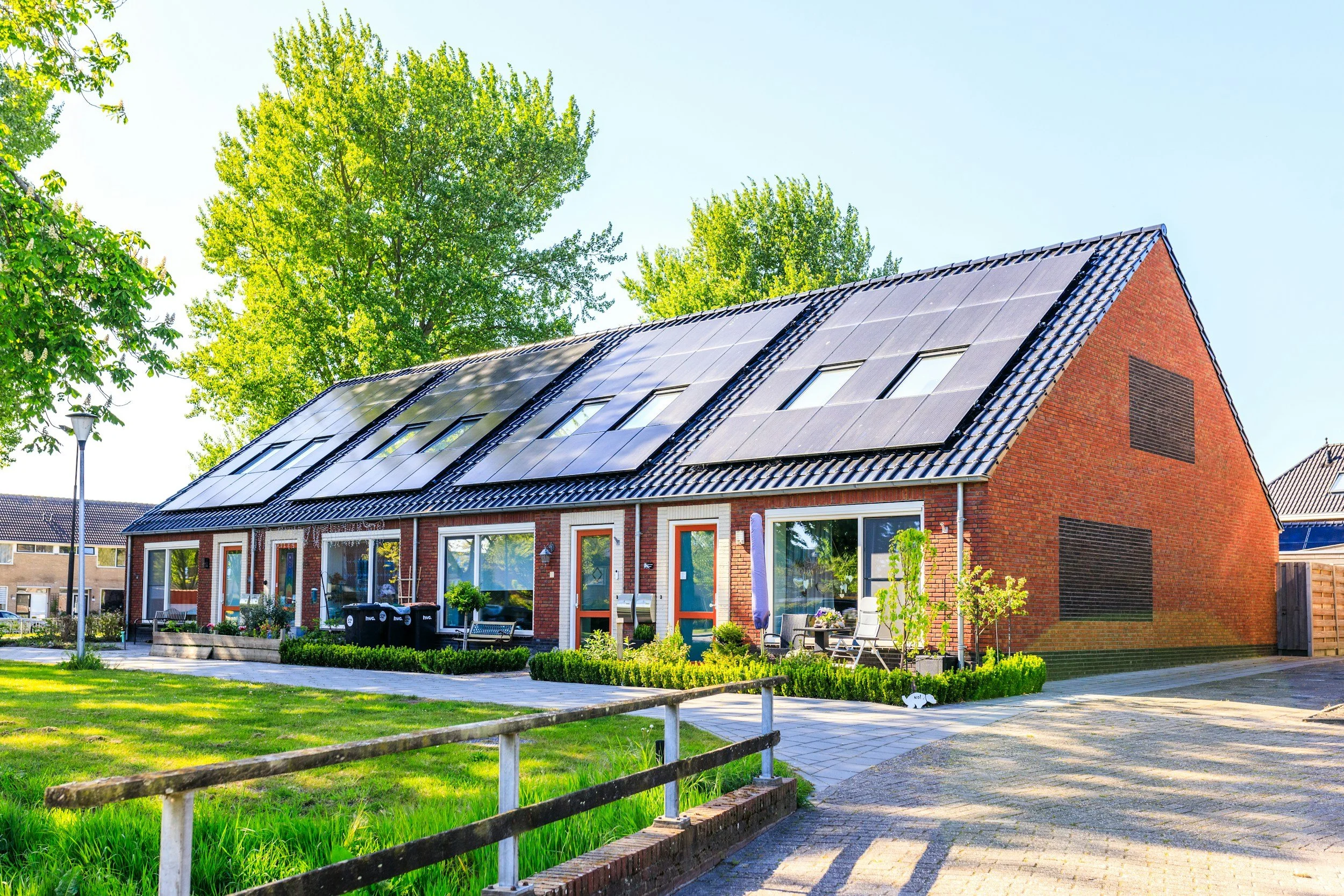
One of the most transformative aspects of this transition is the shift toward distributed energy. In the fossil fuel generation model, energy flows in one direction, from large centralised fossil fuel power plants to passive consumers. In a renewables based electrostate, that model breaks down. Rooftop solar turns households and businesses into energy producers, known as prosumers, capable of generating their own electricity, sending it to the grid, or storing it in batteries. As adoption accelerates in response to high energy prices, lower installation costs and supportive policies, millions of small-scale installations can collectively function as a significant source of flexible generation.
This decentralisation is taken a step further through the emergence of Virtual Power Plants. These systems can aggregate thousands of distributed assets including rooftop solar panels, home or community batteries, vehicle to grid enabled electric vehicles, and smart energy controllers. These are then coordinated using software to operate as a single, flexible power resource. Virtual Power Plants can help stabilise the grid, reduce the need for costly infrastructure upgrades, and create new revenue streams for participants. In effect, they blur the line between producer and consumer, transforming energy users into active participants in the system.
For the UK and Ireland, this presents a major opportunity. Both countries have high levels of digital connectivity and are rolling out smart metering infrastructure that can support these models.
Community energy projects and locally coordinated systems could play a significant role in improving resilience, particularly in rural areas, while also increasing public engagement with the energy transition. In Ireland especially, virtual power plants could help address current challenges around wind curtailment by providing additional flexibility and local balancing capacity.
The Time Has Come To Accelerate The Transition
Ultimately, the shift from passive petrostate customers to proactive electrostates is about more than energy, it’s about a shift in economic structure and geopolitical power. Current fossil fuel based systems are inherently concentrated and vulnerable, dependent on specific regions and transport routes. A renewable electricity based system, by contrast, are more distributed and domestic, reducing exposure to external shocks.
The Strait of Hormuz crisis has made this contrast starkly visible. It has shown how quickly global energy markets can be disrupted, and how deeply that disruption can affect economies like those of the UK and Ireland.
The path forward is neither simple nor inexpensive. A complete transition will require unprecedented levels of investment in generation, infrastructure, and technology, as well as regulatory reform and public acceptance. But the direction is increasingly clear. Each crisis reinforces the same lesson, dependence on imported fossil fuels carries structural risks and enormous costs that cannot be addressed within the existing system.
The current energy shock should be a turning point. To overcome the cyclical vulnerabilities of the petrostate energy supply model, we need the collective will to accelerate the transition toward an electrostate future. One defined not by scarcity and geopolitical tension, but by resilience and domestic control.
In my next article in this energy series, I will look at how China’s rapid expansion of renewable energy and electrified infrastructure is beginning to reshape not only its domestic economy, but the future balance of global power. Long viewed as the world’s manufacturing hub and largest emitter, China is now positioning itself at the centre of a new energy era, one defined less by oil and gas imports and more by electricity, grids, battery storage, and clean industrial capacity. As the concept of the electrostate emerges as the successor to the petrostate, China’s transition offers one of the most significant case studies in how a nation can use electrification and renewable scale not just to decarbonise, but to strengthen energy security, industrial competitiveness, and geopolitical influence.
About The Author
Gerard Clutterbuck
Strategy and Media, Techies Go Green
Gerard Clutterbuck is part of the founding team at Techies Go Green, a dedicated group of passionate sustainability advocates. Gerard manages the research, design, and delivery of support content and events that enable member businesses to turn their sustainability ambitions into measurable impact. Gerard also takes a keen interest in promoting opportunities in the fast-growing green economy and identifying the latest green tech solutions that enable businesses to not only be prepared for the future, but actively shape it.
Gerard has over 30 years’ experience working in the technology sector, as designer and project manager, developing products for companies supplying equipment for medical, semiconductor test, education, communications and banking applications. Working both from within these companies and as an external consultant, Gerard has developed their strategy, roadmap, feature definition and branding along with the design of their product lines from concept to manufacture. Gerard’s academic background is in Industrial Design and R&D management having qualified from the NCAD.